
Batteries For Security Alarm Systems
Alright, settle in, grab your beverage of choice, because we’re about to talk about something incredibly dull, yet hilariously vital: the unsung heroes of your home security system. No, not the motion sensors or the cameras that make you wave like a lunatic when you forget they’re on. We’re talking about batteries. Yes, those little cylindrical bundles of chemical magic that you usually only think about when your TV remote suddenly decides to retire.
Now, I know what you’re thinking: "Batteries? For an article? Are you serious?" And to that, I say: YES! Because these aren't just any batteries. These are the silent, steadfast guardians that keep your fortress safe even when the lights go out. They’re the emergency backup dancers, always ready to leap into action when the main power grid decides to take an unannounced nap. And trust me, when a storm hits and your neighborhood looks like a scene from a zombie apocalypse movie, you’ll be sending telepathic thank-you notes to these little guys.
The Main Brain’s Secret Stash: The Big One
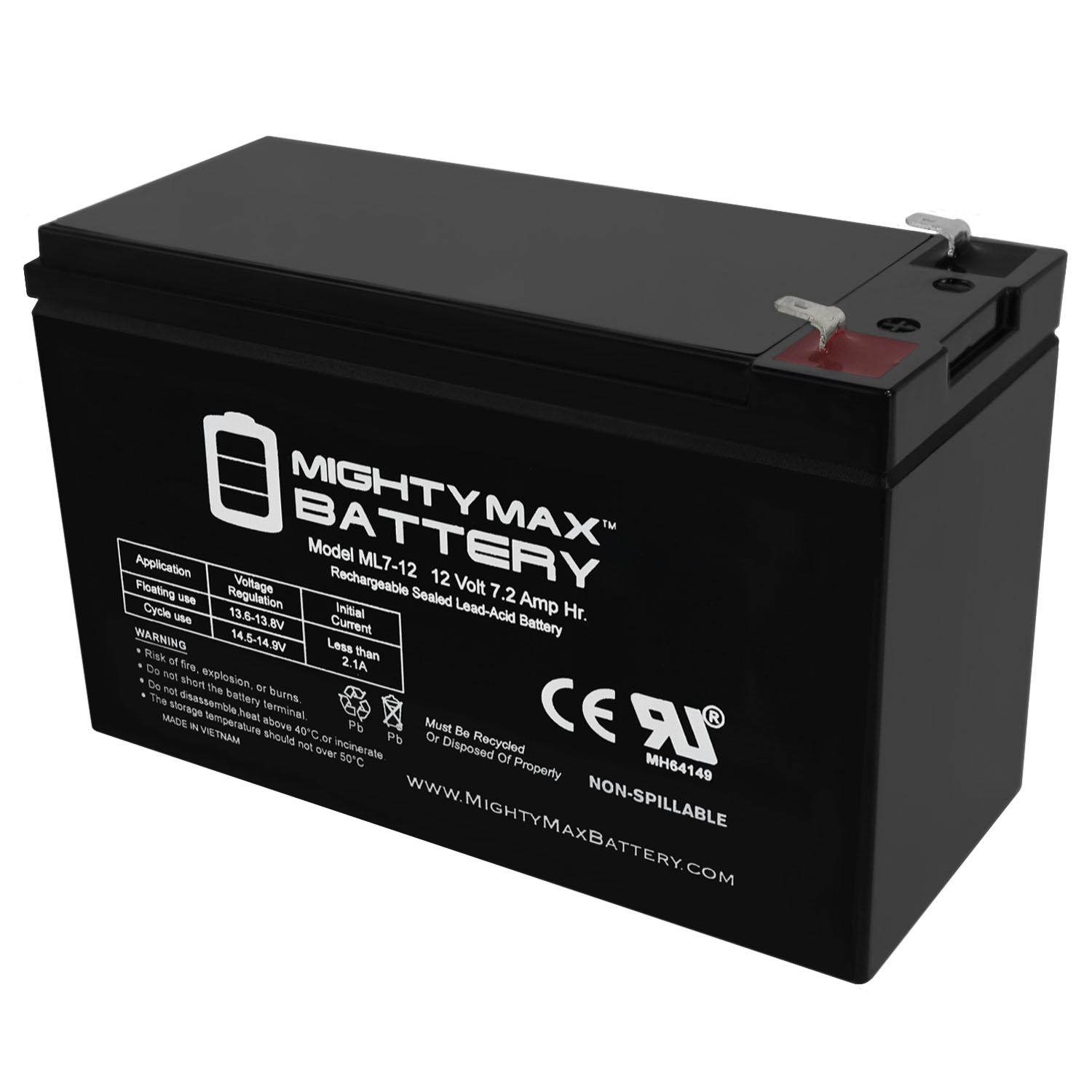
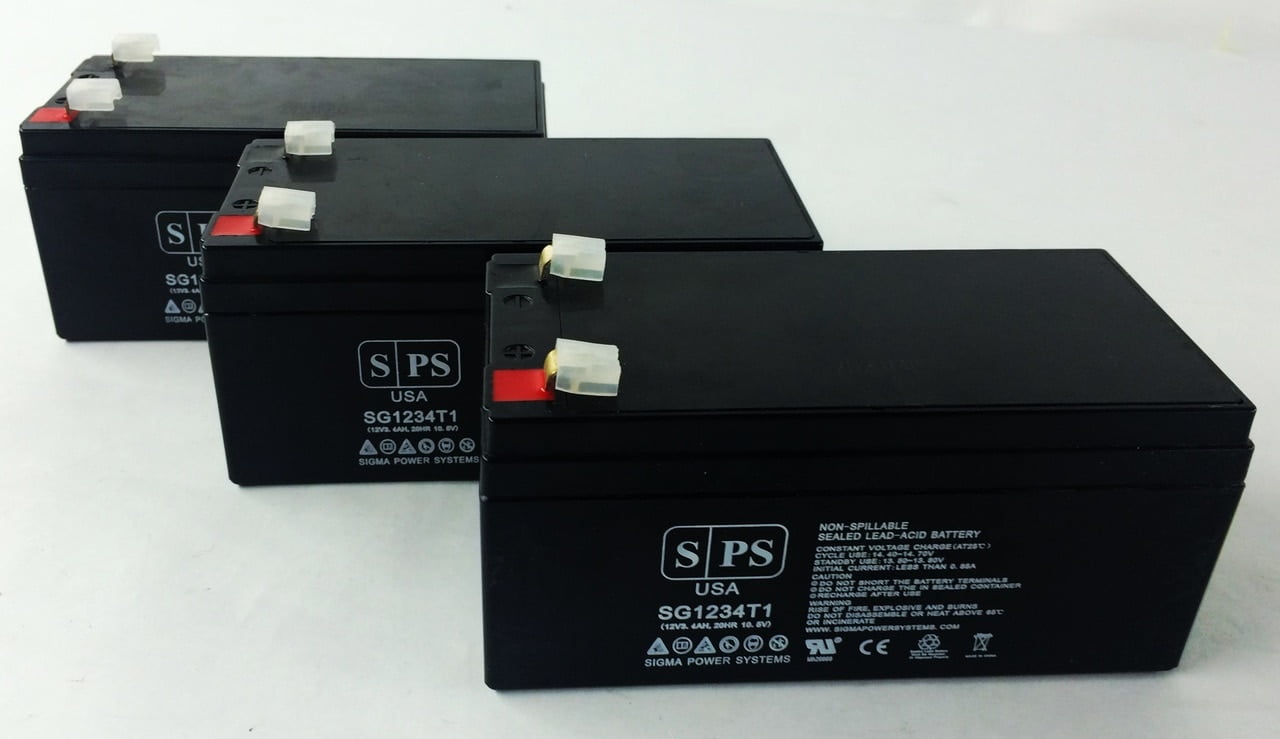
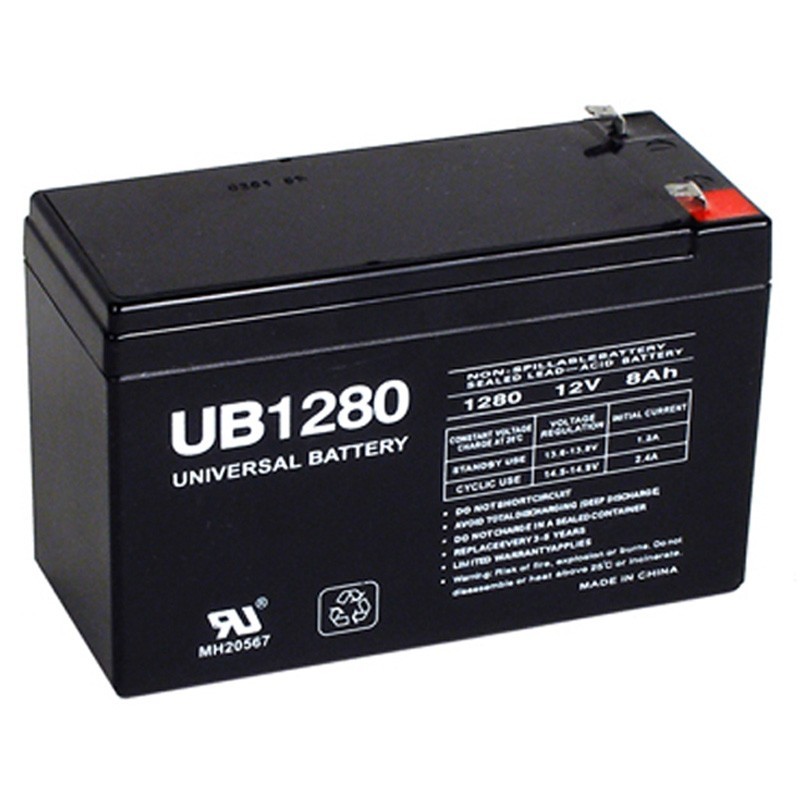
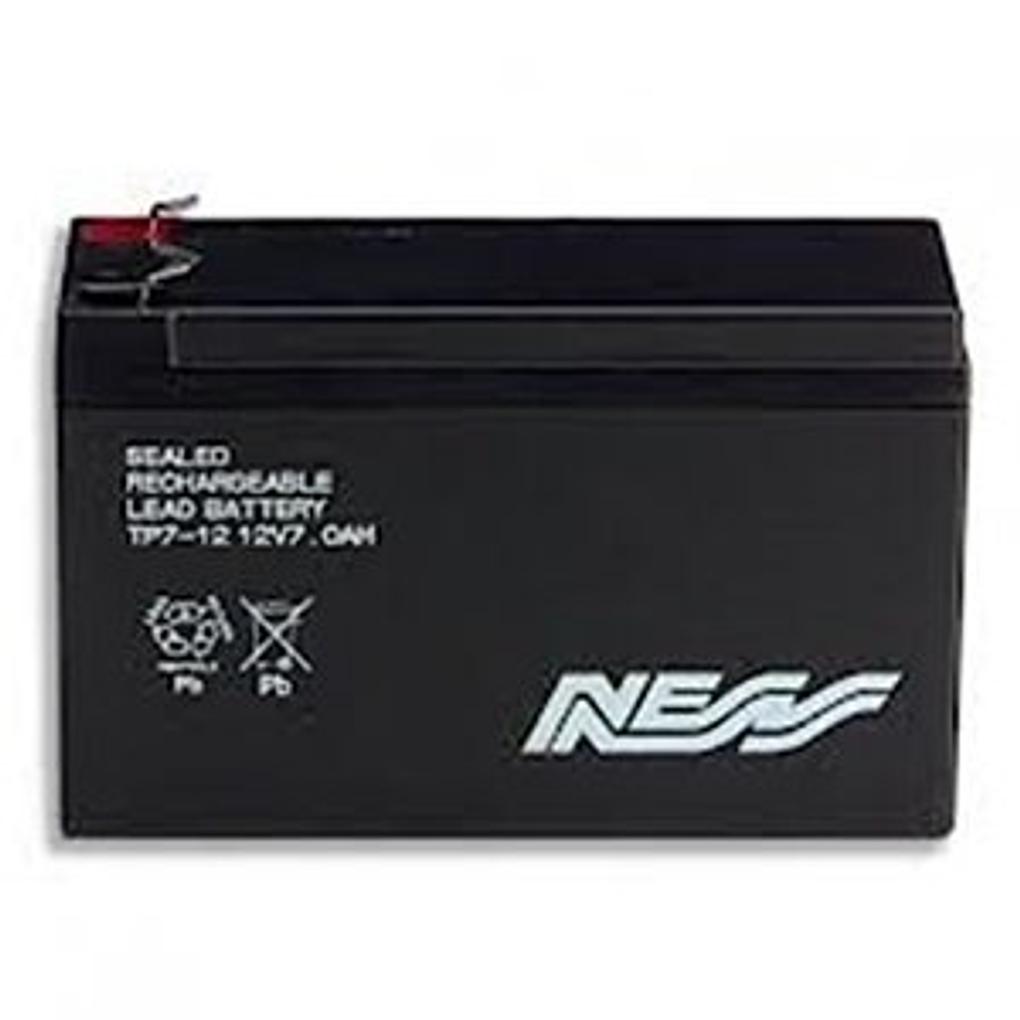
First up, let’s talk about the grand poobah, the heavyweight champion, the battery that powers the actual control panel of your security system. This isn't some dainty AAA. Oh no. We’re talking about a Sealed Lead-Acid (SLA) battery. Think car battery, but miniaturized for home use. It’s usually tucked away in the control panel box, looking unassuming, like a stoic librarian guarding ancient texts.
Must Read
This big fella is rechargeable, which is handy. It’s constantly being topped up by your home’s power, but if the electricity kicks the bucket, it’s there to keep your system humming along for several hours, sometimes even a full day. Its job? To ensure your system can still detect intruders, sound alarms, and even call for help. So, when your lights flicker off during a thunderstorm, and you hear that comforting thump from the alarm panel as it switches to battery power, give a silent cheer for this beefy beast. It typically needs replacing every 3-5 years. Ignore it, and you might find your security system going as silent as a mime when you need it most.
The Little Ninjas: Wireless Sensor Power
Then we have the tiny but mighty guardians: the batteries powering your wireless sensors. These are the unsung heroes tucked away in your door contacts, motion detectors, glass-break sensors, and keypads. They’re like the highly specialized commandos of the battery world, each designed for a specific mission.
You’ll find a whole menagerie here: regular old AA or AAA batteries for some keypads and older sensors. But more commonly, especially in modern, sleek sensors, you’ll encounter the workhorse CR123A lithium batteries. These are like the energy drink guzzlers of the battery world – small, powerful, and long-lasting. They can keep a sensor alive for 1 to 5 years, depending on the sensor's activity and quality.
And let’s not forget those minuscule coin cell batteries, often found in smaller, less power-hungry devices like window contacts. They’re like the quiet but persistent background artists, doing their job without a fuss. The sheer variety here is astonishing, ensuring there’s a perfect power source for every nook and cranny of your protected perimeter.
The Dreaded Beep: Your System’s Passive-Aggressive Plea
Now, the most entertaining part (for everyone but you): the low battery warning. Your security system isn't going to send you a polite email. Oh no. It's going to beep at you. Probably at 3 AM. Or right in the middle of your favorite TV show. It's a persistent, sometimes irritating, but ultimately life-saving sound. It’s your system’s way of saying, "Hey! My juice is running low! Help a brother out before I go completely dead and leave you vulnerable!"
That low battery beep isn't just a suggestion; it's a command. Ignoring it is like ignoring a flat tire on a cross-country trip – eventually, things are going to get messy. A dead battery in a sensor means a blind spot in your security. A dead main panel battery means a system that's utterly useless in a power outage. And that, my friends, defeats the entire purpose of having a security system.
Why Bother? The Stakes Are Real (and Humorous)
So, why all this fuss about batteries? Because a security system is only as good as its weakest link, and often, that link is a neglected battery. Imagine this scenario: power goes out, a sneaky squirrel triggers your motion sensor (they're surprisingly devious), but your alarm system, with its dead main battery, sits there silently, judging you. Or worse, a real intruder makes an appearance, and your system does nothing but blink weakly, like a forgotten Tamagotchi.
Regularly checking and replacing your batteries ensures your system is always at peak performance. Most systems will tell you exactly which sensor battery is low, taking the guesswork out of it. It’s a simple, inexpensive task that provides immense peace of mind. Think of it as a small investment in uninterrupted safety and avoiding that nagging 3 AM beep that tests your very sanity.
So, the next time you think about your security system, spare a thought for those humble batteries. They might be hidden away, doing their quiet work, but they are absolutely essential. They’re the silent guardians, the tiny titans, the energizer bunnies of your home protection. Give them the respect (and replacements!) they deserve, and they’ll keep your home safe, come hell or high water... or just a good old-fashioned power cut.
![Best Security Alarm Battery [Updated On- 2025]](https://m.media-amazon.com/images/I/41HZSygzytL._SL500_.jpg)