Average Watts A House Uses

Ever found yourself staring at your electricity bill, wondering how on earth those numbers add up? Or maybe you’re just curious about the unseen energy flowing through your home, powering all your gadgets and gizmos. Well, you're in good company! Understanding the "average watts a house uses" might sound like a super technical topic, but it’s actually incredibly fun, insightful, and empowering. Think of it as peeking behind the curtain to uncover the secret life of your home’s energy consumption.
The purpose of diving into this electrifying topic isn't just about satisfying curiosity; it's about gaining control and saving money. By understanding how much power your home generally consumes, you can become a smarter energy user, identify energy vampires, and even make eco-friendlier choices. The benefits are clear: lower utility bills, a smaller carbon footprint, and the satisfaction of knowing you're making informed decisions about one of your biggest household expenses.
So, let's talk watts! A watt is a unit of power, essentially measuring how much energy an electrical device needs to operate at any given moment. When we talk about how many watts a house uses, we're usually thinking about the average instantaneous power draw, or more commonly, how many kilowatt-hours (kWh) it consumes over a month. Most utility companies charge by the kWh, which is 1,000 watts used for one hour. For example, a 100-watt light bulb left on for 10 hours uses 1 kWh.
Must Read
On average, a typical U.S. residential customer consumes around 893 kilowatt-hours (kWh) per month. To put that into an average continuous wattage, it's roughly equivalent to having about 1,240 watts running non-stop every single moment of the month! Now, that's not to say your house always pulls 1,240 watts. That number fluctuates wildly throughout the day. When your air conditioner kicks on, your wattage spikes; when you’re asleep with most things off, it plummets. This average represents the total consumption smoothed out over time.
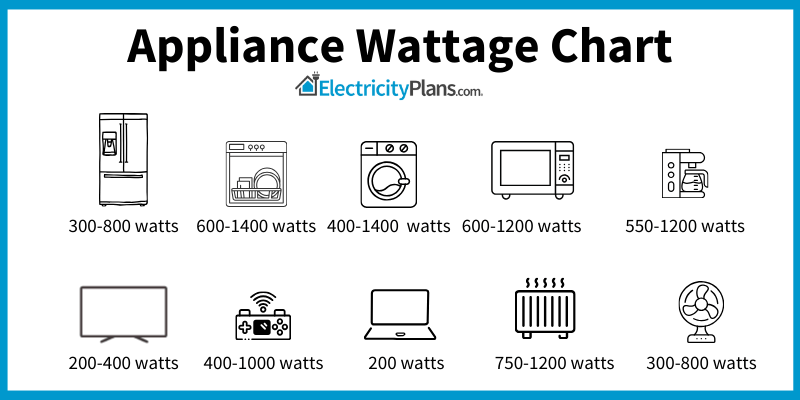
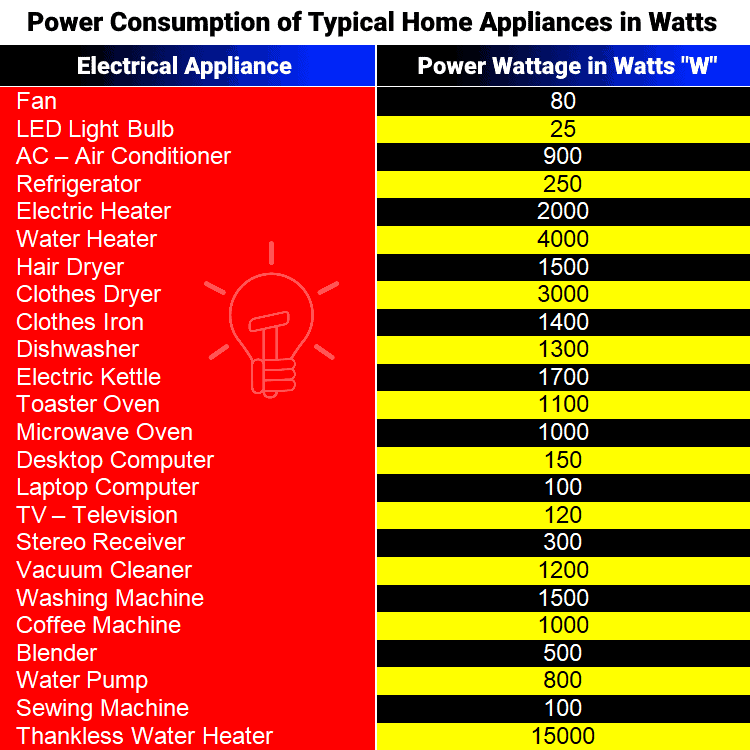
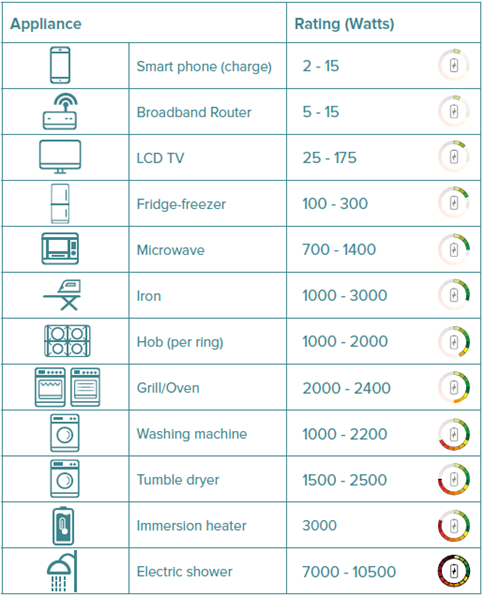
What makes your home’s average wattage go up or down? A lot of factors! Big culprits include HVAC systems (heating and cooling are huge energy hogs), water heaters, refrigerators, and laundry machines. But don't forget the collective power of smaller items: multiple TVs, computers, gaming consoles, and even those pesky "phantom loads" from devices plugged in but not actively in use. Your habits, the size of your home, the number of occupants, and even the climate you live in all play significant roles.
Armed with this knowledge, you can start making impactful changes. Consider investing in energy-efficient appliances, unplugging electronics when not in use, using smart thermostats, or even conducting a home energy audit. Understanding your home's average wattage isn't just a fun fact; it's a powerful tool to take charge of your energy usage, save money, and contribute to a more sustainable future. Happy watt-watching!