
Average Power Requirement For A Greenhouse In Uk

So, you're dreaming of homegrown tomatoes in January, vibrant orchids blooming through the bleak midwinter, and maybe even a cheeky little chilli pepper explosion to spice up your shepherd's pie? A greenhouse in the UK is your ticket to horticultural happiness! But before you start picturing yourself as the next Alan Titchmarsh, let's talk watts. Specifically, how many watts will your green oasis actually need?
The question of average power requirement is, as they say, a bit like asking how long a piece of string is. It truly depends. Are we talking a small lean-to greenhouse just big enough for some seedlings, or a sprawling Victorian-era glasshouse that could rival Kew Gardens? Generally, for a domestic greenhouse (think 6ft x 8ft, a popular size), you're looking at a range. Let's break it down.
Decoding the Wattage: What's Eating Your Electricity?
First, understand that your greenhouse power demands will be driven by a few key factors:
Must Read
Heating: The big kahuna. Keeping your plants cosy during those frosty British nights is where the bulk of your energy goes. Think electric fan heaters, thermostatically controlled propagation mats, or even sophisticated infrared heating systems. The power draw here can range from a few hundred watts to several kilowatts depending on the size of your greenhouse and the outside temperature.
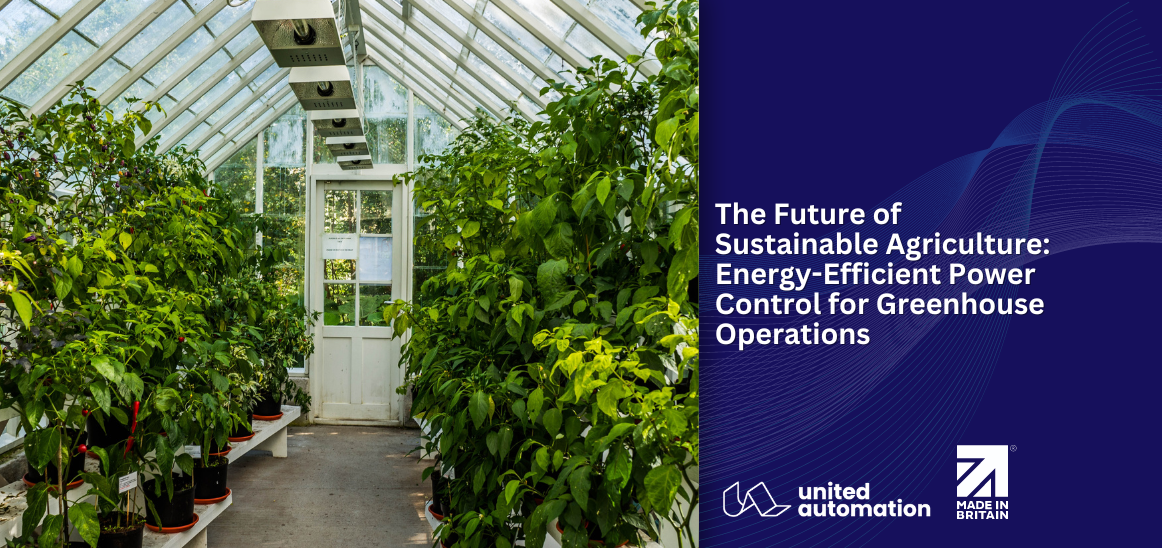
*Lighting: Essential for extending the growing season, especially during the dark winter months. LED grow lights are the energy-efficient champions here, but older halogen or fluorescent options will guzzle more power. A small set-up might use 50-100 watts, while more extensive lighting could creep up to 300 watts or more.
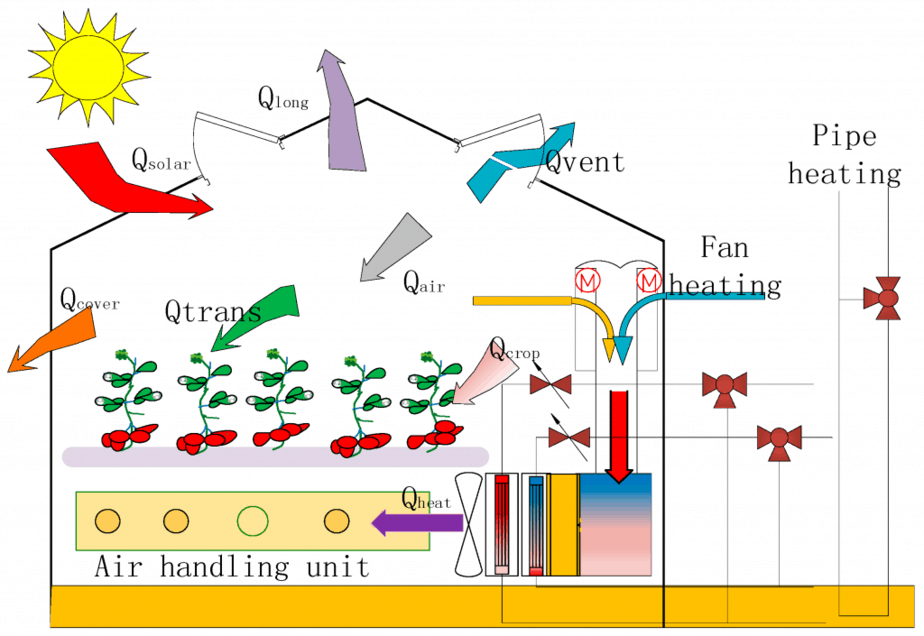
Ventilation: Air circulation is crucial to prevent damp and disease. Extractor fans or automated vent openers might only require a few watts each, but multiple fans will add up.
*Miscellaneous: Water pumps for irrigation systems, heated propagators, even a radio for you to enjoy while you potter about! These all contribute, albeit in smaller amounts.
So, the average? A good ballpark figure for a typical 6ft x 8ft greenhouse in the UK is somewhere between 500 watts and 2 kilowatts. But remember, this is just an estimate!

Practical Power Plays: Keeping Costs Down
Alright, so the wattage sounds a bit daunting? Don't worry! Here are some clever tips to keep your greenhouse's energy consumption under control:
*Insulation is key: Bubble wrap is your best friend! Line the inside of your greenhouse with it to trap heat and reduce energy waste. Think of it as a horticultural duvet.
*LEDs are your new best friend: Ditch those energy-hogging old lights and switch to LEDs. They're brighter, last longer, and use a fraction of the power. It's a win-win-win!
Thermostat control: Invest in a good thermostat to regulate your heating. This prevents your heater from running constantly and keeps your greenhouse at the ideal temperature for your plants.
*Harness the sun: Orient your greenhouse to maximize sunlight exposure. South-facing is generally best in the UK.
*Consider solar: Explore solar panels to power your greenhouse. It's an upfront investment, but it can significantly reduce your electricity bills in the long run. Plus, you'll feel like a green gardening guru!

Smart Planting: Choose plants that suit the UK climate. You might need to invest more energy to grow those exotic mangos than you would for tomatoes and courgettes.
Fun Fact: Did you know that Victorian greenhouses were often heated with coal-fired boilers? Talk about energy intensive!
Connecting the Dots: From Greenhouse to Home
Thinking about the energy needed for a greenhouse might seem like a niche concern, but it highlights something important about our everyday lives. Every device, every appliance, every lightbulb we use has an energy footprint. Being mindful of this footprint, whether it's in your greenhouse or your kitchen, can make a real difference to your wallet and the planet. Small changes, like switching to LED bulbs or being smarter with insulation, can add up to big savings and a more sustainable lifestyle. So, go forth and cultivate your green dreams – responsibly!