Average Power Consumption Per Household
Ever wonder where all that electricity goes in your house? It's not just a mystery on your monthly bill; understanding your home's power consumption can actually be quite fun and incredibly useful! Think of it like being a detective, uncovering the hidden energy drains and empowering yourself to make smarter choices. It's a topic that touches everyone, from the casual bill-payer to the eco-conscious enthusiast, and it's surprisingly easy to get a handle on. Diving into your home's energy usage is a journey of discovery that benefits both your wallet and the planet.
So, why bother diving into the world of kilowatts and average consumption? For beginners, it's a fantastic introduction to how electricity works in your home, demystifying that glowing meter outside and helping you grasp where your money goes each month. It’s about building foundational knowledge and understanding a fundamental aspect of modern living. For families, the benefits are immediately tangible: significant savings on utility bills, the opportunity to teach children about responsible energy use, and making informed decisions when buying new appliances. Imagine putting those savings towards a family trip or a fun activity! And for the hobbyists among us, it’s a playground for optimization! You can delve into smart home tech, track granular data, fine-tune your energy footprint, and feel great about contributing to a more sustainable planet. It’s a rewarding journey of continuous improvement and discovery, often leading to exciting new gadgets and insights.
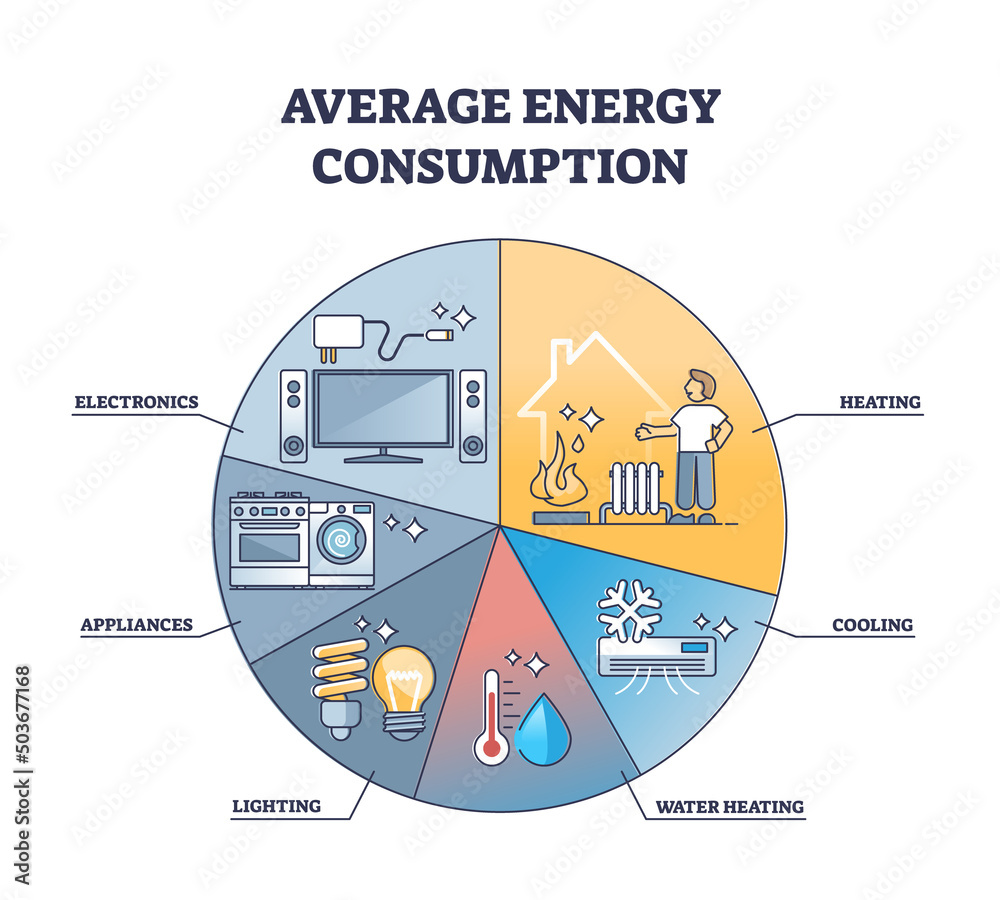
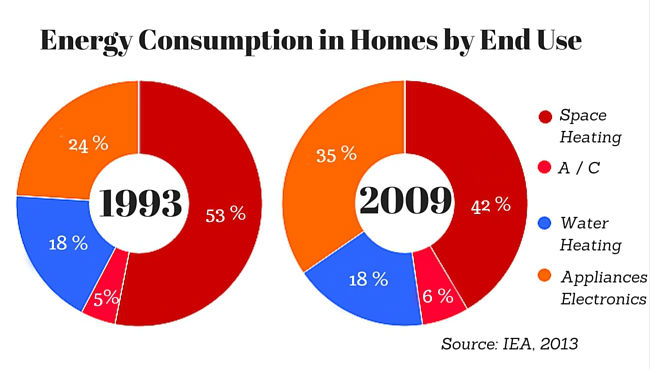
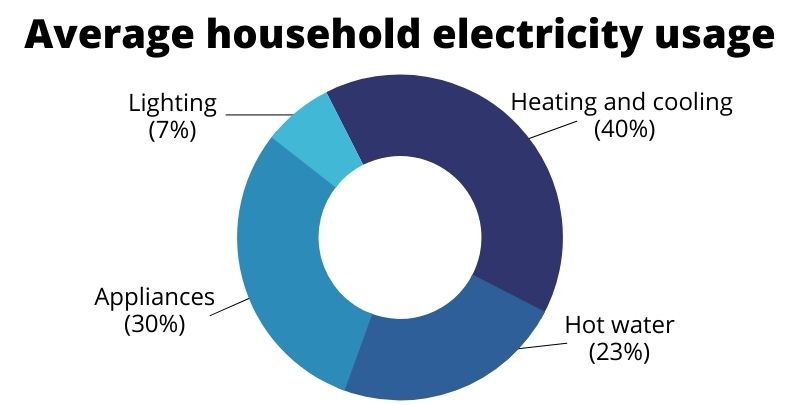
The term "average power consumption" is a great starting point, but it's important to remember that averages vary greatly. Your household's consumption will depend on several factors: Your location and climate (think air conditioning in scorching summers or heating in chilly winters!). The size of your home and household (more rooms and more people usually mean more energy). The age and efficiency of your appliances (an old refrigerator or water heater can be a surprising energy hog!). Even your daily habits play a huge role – how often you do laundry, whether lights are left on, or how long you stream content. Some of the biggest energy users in most homes include heating and cooling systems (HVAC), water heaters, refrigerators, and laundry machines. Don't forget all those entertainment electronics too! Understanding these variations helps you pinpoint where your home might be different from the "average" and identify your unique opportunities for savings.
Must Read
Ready to become an energy-savvy household? Getting started is easier than you think!
- Read your utility bill: It often shows your monthly consumption in kilowatt-hours (kWh) and compares it to previous months or similar homes. This is your baseline!
- Locate your meter: If safe and accessible, learn how to read your electric meter. You can even conduct a simple "power audit" by turning everything off, noting the reading, then turning one appliance on at a time to see its impact.
- Use smart plugs: These affordable devices let you monitor the energy usage of individual appliances and can even turn them on/off remotely. Perfect for identifying those "vampire" devices that draw power even when off.
- Unplug unused electronics: Chargers, TVs, and computers can still consume small amounts of electricity even when not in use. A power strip with a switch makes this super easy.
- Switch to LEDs: If you haven't already, replacing incandescent bulbs with energy-efficient LED lighting is a quick, easy, and impactful win.
- Adjust your thermostat: Small changes in temperature settings – just a few degrees up in summer or down in winter – can lead to significant savings.
Ultimately, getting to grips with your average power consumption isn't about deprivation; it's about empowerment and awareness. It's about making conscious choices that benefit your wallet, your family, and the environment. There's a real sense of satisfaction in understanding your home's energy story and actively writing a more efficient, sustainable next chapter. Start small, enjoy the discoveries, and watch the positive impacts unfold!