Average Life Of A Hvac System

Ever wondered about the secret life of the contraption that keeps your home cozy in winter and delightfully cool in summer? We're talking about your HVAC system – that silent hero of home comfort! It might not sound like the most exciting topic, but understanding the average life of an HVAC system is actually super useful, and dare I say, pretty empowering for any homeowner. It's not just about wires and ducts; it's about planning, saving, and ensuring your family stays comfortable year-round without unexpected headaches.
So, who benefits from this kind of knowledge? Well, practically everyone with a roof over their head! For beginners and new homeowners, grasping the lifespan of these major appliances is like getting a roadmap for future budgeting. You'll know when to start stashing away some savings for a potential replacement, rather than being blindsided by a major expense. It helps you understand what to expect from your system and avoids that "oh no, what now?" moment when a repair person talks about its age.
For families, this insight is even more crucial. A well-maintained HVAC system means consistent indoor temperatures, better air quality for everyone's health, and fewer unexpected breakdowns during crucial times like a heatwave or a cold snap. Plus, an efficient system saves money on energy bills, leaving more cash for family fun. Even the casual DIY home enthusiast or hobbyist can benefit by understanding how their maintenance efforts directly impact the longevity and performance of their system, making them feel more in control of their home's vital organs.
Must Read
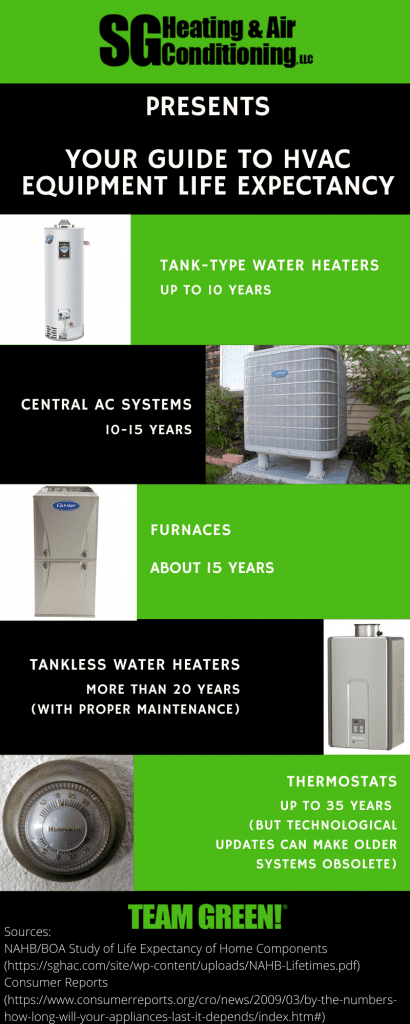
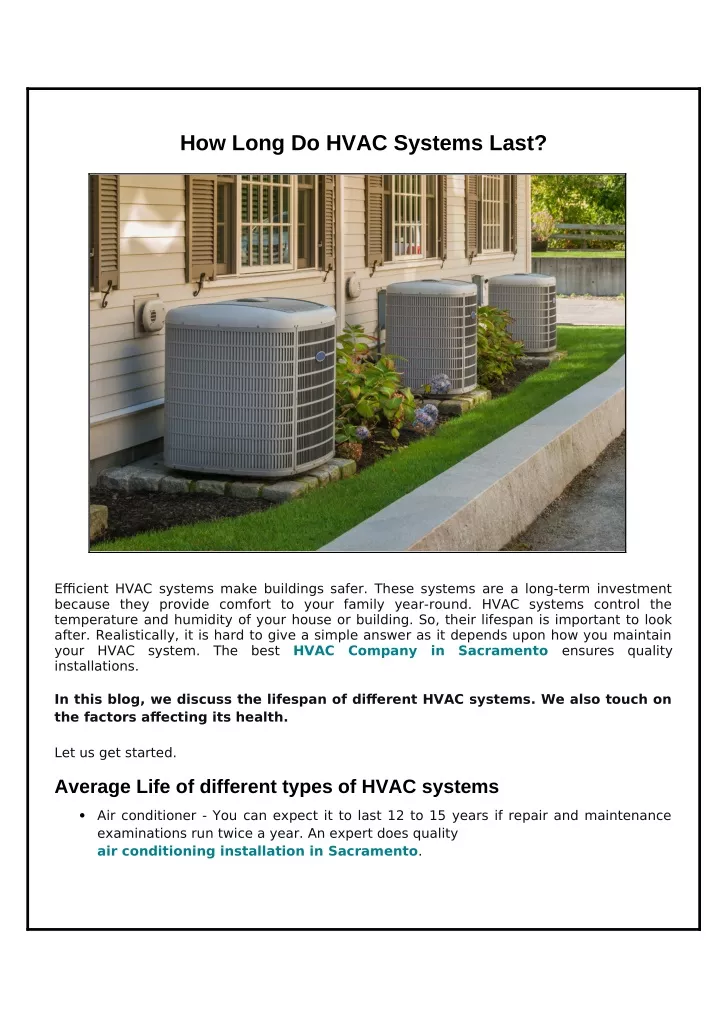
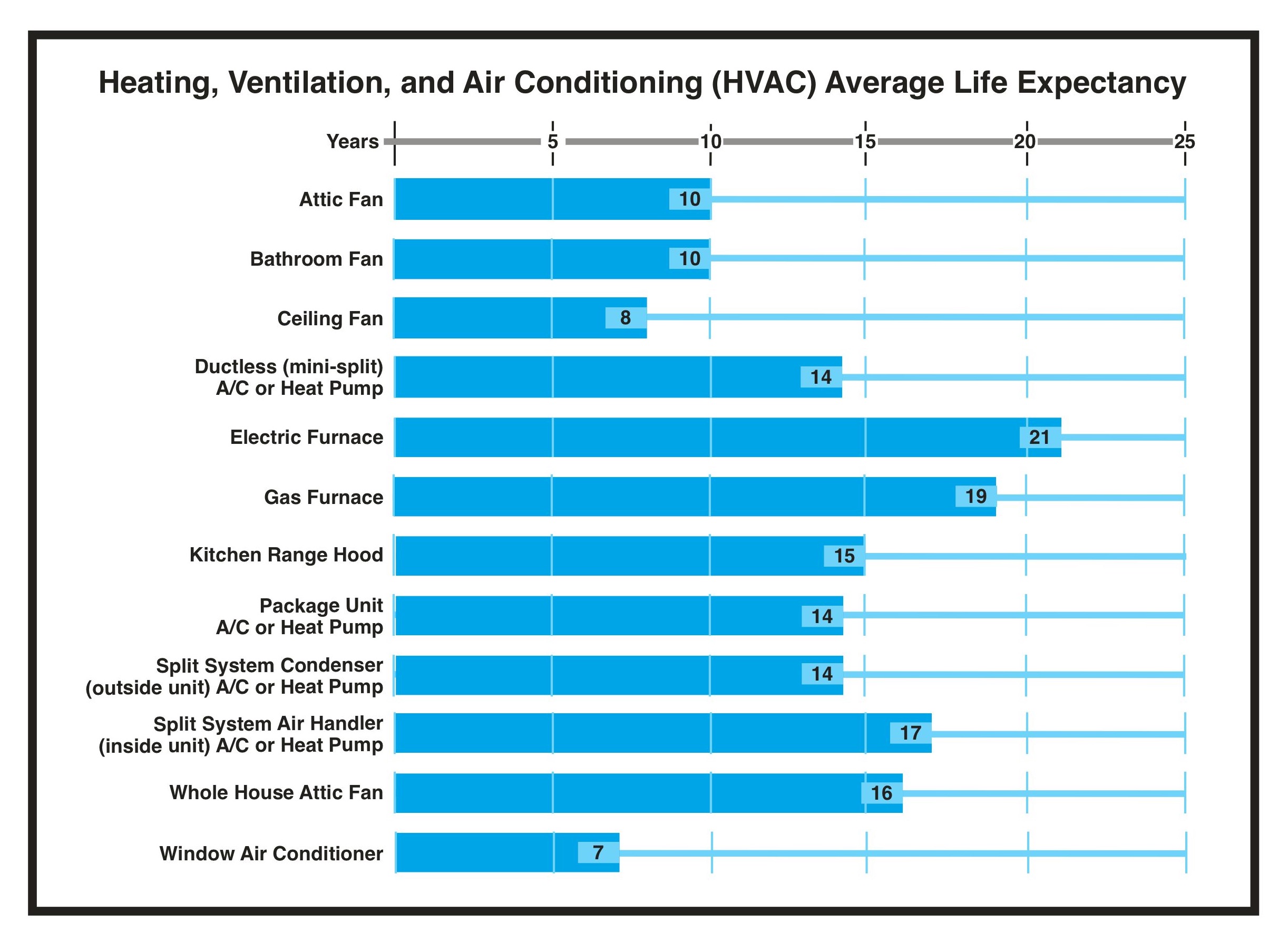
Let's talk numbers! The average lifespan varies, but typically, an air conditioning unit might last anywhere from 10 to 15 years, while a furnace can often stretch to 15-20 years, sometimes even longer with excellent care. Heat pumps usually fall somewhere in the middle, around 10-15 years. What makes some systems last longer than others? It often boils down to a few key factors: how intensely it's used (hello, extreme climates!), the quality of its original installation, and perhaps most importantly, how well it's maintained throughout its life. A system that's neglected will inevitably give up the ghost much faster than one that receives regular TLC.
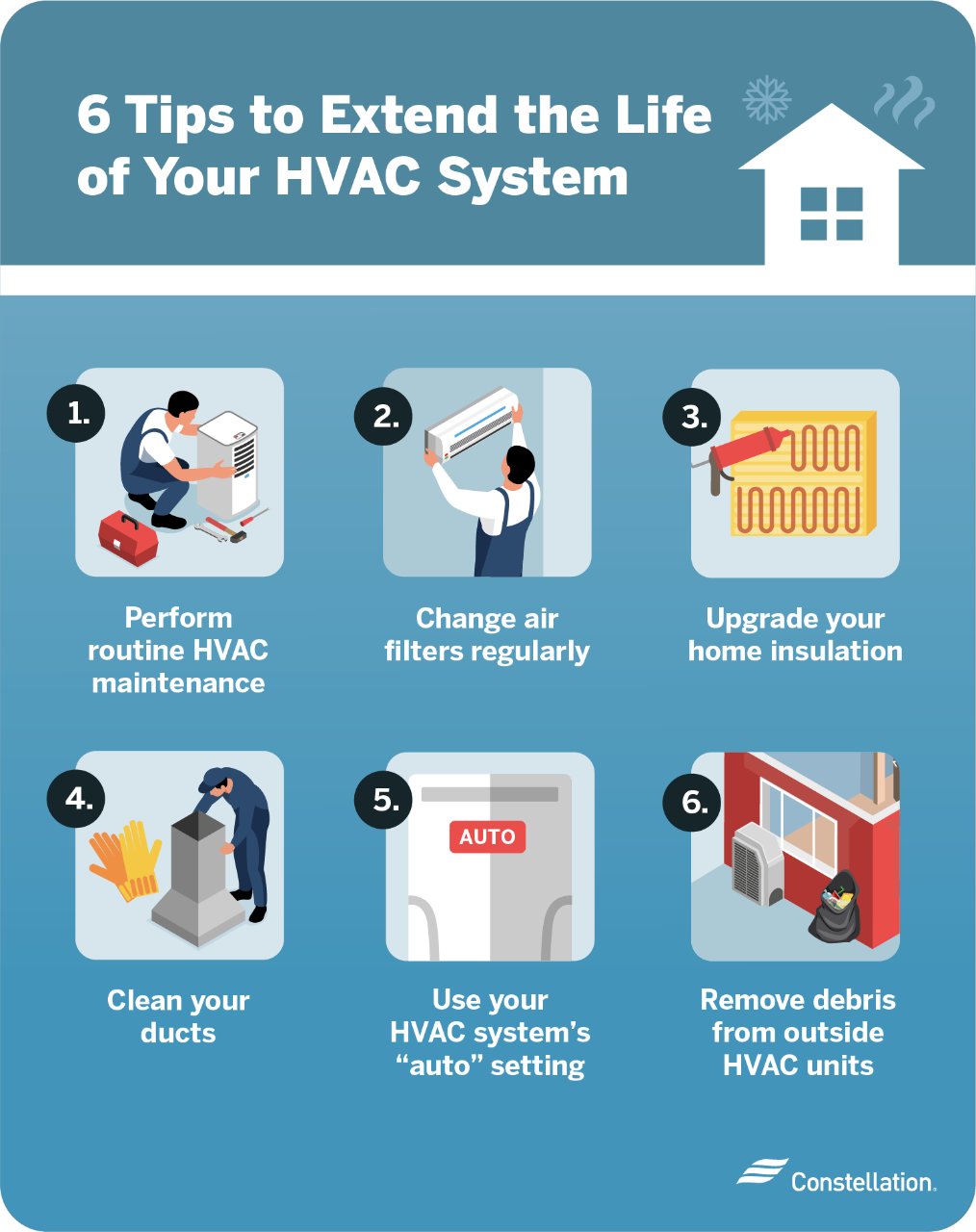
Ready for some simple, practical tips to help your HVAC system live its best, longest life? First up: change those filters regularly! This is perhaps the easiest and most impactful thing you can do. A clogged filter makes your system work harder, reducing efficiency and lifespan. Aim for every 1-3 months, depending on your home and pets. Second, schedule annual professional tune-ups. Think of it as a yearly check-up for your home's lungs – pros can spot minor issues before they become costly major repairs. Third, keep the area around your outdoor unit clear of debris, leaves, and overgrown plants to ensure proper airflow. Lastly, don't ignore strange noises, smells, or inconsistent heating/cooling. Early detection can save your system from a premature retirement.
Ultimately, knowing the average life of your HVAC system isn't just about technical details; it's about gaining peace of mind. It allows you to be proactive, save money in the long run, and most importantly, ensure your home remains a comfortable haven for you and your loved ones. Invest a little time and care into your HVAC, and it will repay you with years of dependable comfort.