
Average Kwh Consumption Per Household
Hey there! Ever rip open that electricity bill and feel a little knot in your stomach? You glance at the total, maybe squint at the tiny print, and then shove it into the "deal with later" pile, all while thinking, "Where did all that energy go?!"
You're not alone! It's a common mystery, like trying to figure out where all the socks go in the laundry. But what if we told you that understanding a little something called "average kWh consumption per household" isn't just for energy nerds? It's actually a super handy superpower that can save you cash, make your home cozier, and even give Mother Earth a little hug.
So, What Even Is a kWh? (Don't Worry, It's Easy!)
Let's demystify the jargon. When you see kWh on your bill, it stands for kilowatt-hour. Think of it like this: if you're buying coffee, you buy it by the cup, right? Or if you're buying gas for your car, it's by the gallon. Well, electricity is sold by the kWh.
Must Read
One kilowatt-hour basically means 1,000 watts of power being used for one hour. So, if you have a powerful hairdryer (maybe 1,000 watts) running for exactly one hour, that's 1 kWh. If you have a super-efficient LED bulb (say, 10 watts) running for 100 hours, that's also 1 kWh. It's just a unit of measurement for how much energy you're consuming over time. Simple as that!
The "Average" Household: A Moving Target
Alright, so what's the magic number for an "average" household? Here's the kicker: it’s a bit like asking for the "average" size of a family car. It totally depends!
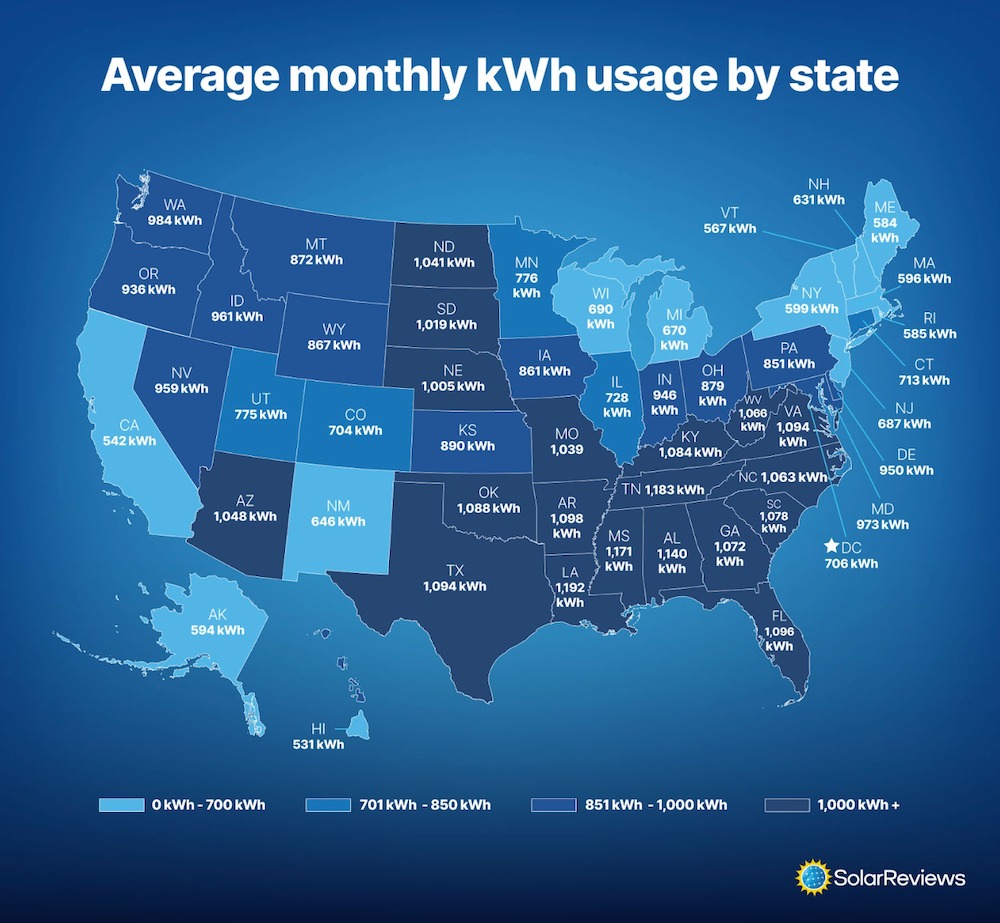
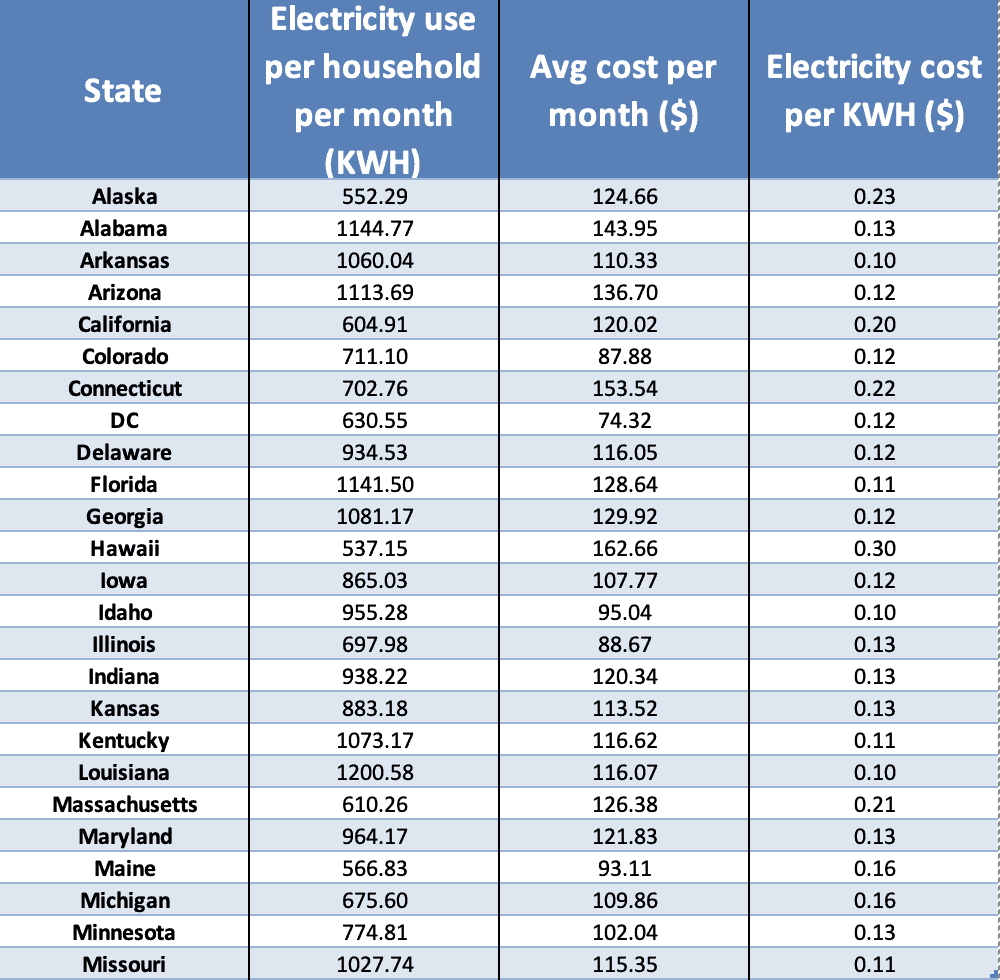
Generally speaking, a typical U.S. household might use anywhere from 600 to 1,000 kWh per month. That's a pretty wide range, right? Why such a difference?

- Where you live: A sweltering summer in Arizona means cranking the AC, while a snowy winter in Michigan means the heater is working overtime. Climate is a huge factor!
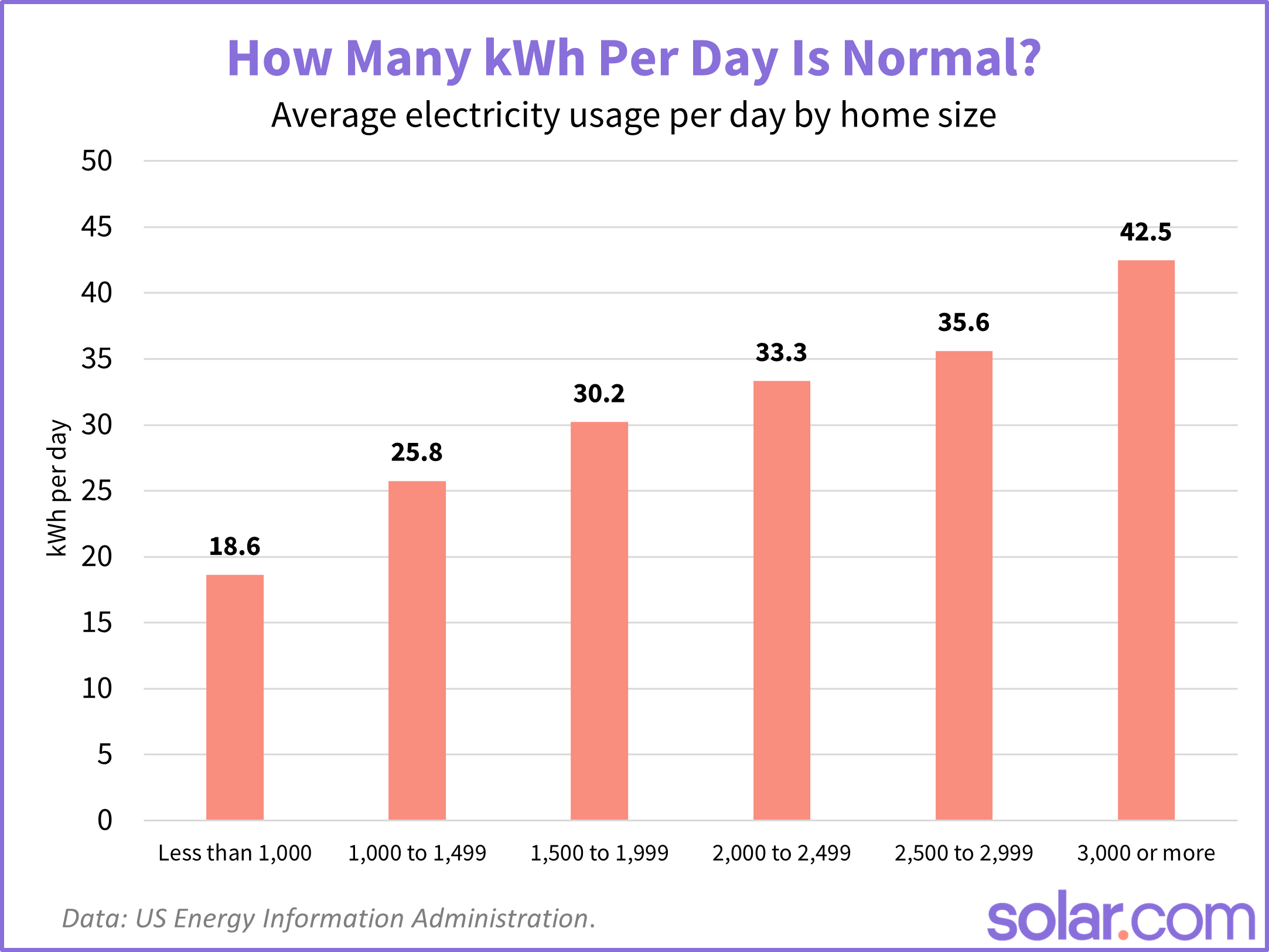
- House size: A cozy studio apartment naturally uses less energy than a sprawling five-bedroom home. More space to heat, cool, and light!
- Number of people: More roommates or family members usually means more showers, more device charging, more laundry, and more fridge openings for snacks.
- Your habits: Are you a "lights-off-when-you-leave" kind of person? Do you unplug chargers? Or do you leave everything on standby, like a sleeping dragon ready to breathe fire (or, you know, use electricity)?
So, when you hear "average," think of it as a helpful benchmark, not a strict rule. It's a starting point to understand your own usage.
The Usual Suspects: What Sucks Up the Most Juice?
Ever wonder which appliances are the biggest energy hogs in your home? It’s often not the ones you think!
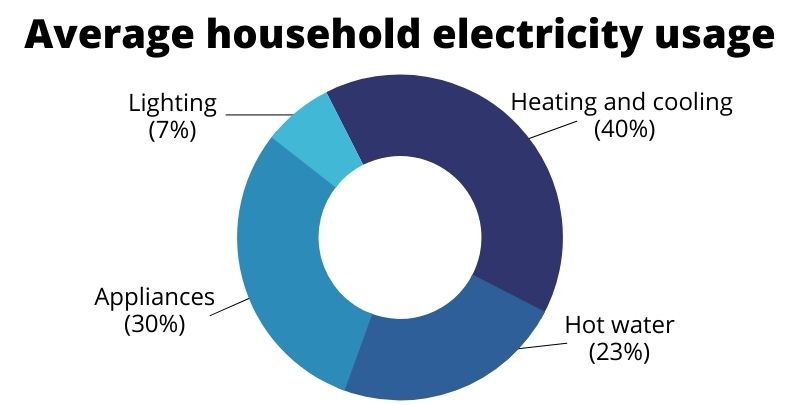
The big kahunas are usually your heating and air conditioning systems (HVAC). These can account for 40-50% of your total energy use! It's like having a little power plant running in your house to keep you comfy.
Next up is often your water heater. Every hot shower, every load of warm laundry, every dish washed in hot water – it all takes a significant amount of energy to heat that water. Your faithful refrigerator is also a constant worker, quietly humming away 24/7 to keep your food fresh.
Then come your washer and dryer, your dishwasher, and all your lovely electronics – TVs, computers, gaming consoles, chargers for phones and tablets. They might seem small individually, but together, they definitely add up!
Why Should You Care? (Besides Being a Smarty-Pants!)
Okay, so now you know a little about kWh and what uses it. But why should you bother caring? Here’s the fun part:
1. Your Wallet Will Do a Happy Dance: Let's be real, who doesn't love saving money? Understanding your consumption is the first step to finding sneaky ways to trim down that bill. More cash for lattes, movie tickets, or maybe even that new gadget you've been eyeing!
2. Become a Home Super-Sleuth: Once you know your average, you can start noticing patterns. "Hey, why was last month's bill so high? Oh, that's right, we had Aunt Mildred visit for two weeks, and she loves her super-long, super-hot showers!" It gives you control and insight.
3. Give Mother Earth a High-Five: Using less electricity means less demand on power plants, which often burn fossil fuels. So, by being energy-wise, you're also doing a small but mighty part in helping the environment. Think of it as your personal contribution to a greener planet!
4. Boost Your Home Comfort: Sometimes, excessive energy use is a sign that something in your home isn't working as efficiently as it should be. A drafty window, an old appliance, or poor insulation could be costing you. Fixing these can make your home much more comfortable and less leaky (energy-wise!).
Little Steps, Big Impact!
You don't need to become an energy guru overnight. Even small changes can make a difference:
- Be friends with your thermostat: A few degrees up in summer or down in winter can save a bundle.
- Unplug the "vampires": Chargers, TVs, and game consoles still suck a little power even when they're off but plugged in. Unplug 'em!
- Embrace LEDs: Swap out those old incandescent bulbs for energy-efficient LEDs. They last ages and use way less power.
- Full loads only: Wait until your dishwasher and washing machine are full before running them.
- Natural light is your pal: Open those blinds and curtains during the day! Free light!
So, the next time that electricity bill lands in your mailbox, don't just sigh. Give it a curious glance. Now you know a little more about what those kWh numbers mean, and you're armed with the knowledge to make smart, wallet-friendly, and planet-friendly choices. You've got this!