
Average Energy Consumption Per Square Foot Manufacturing Facility
You know that feeling, right? The one where you're just living your life, maybe leaving a light on a bit too long, or enjoying an extra-hot shower, and then BAM! The electricity bill lands in your inbox, and suddenly you're doing mental math trying to figure out which appliance betrayed you. We all do it for our homes, but have you ever paused to think about that on a much, much grander scale?
My buddy Mark recently converted part of his garage into a pretty sweet woodworking shop. He's got all the usual suspects: table saw, planer, dust collector, air compressor, the whole nine yards. For weeks, he was just happily buzzing away, making sawdust and dreams. Then, the first full utility bill arrived post-shop setup. Let's just say his jaw hit the floor faster than a dropped hammer. "I knew it would use some power," he grumbled to me over a beer, "but I didn't realize these things were basically tiny, portable power plants!"
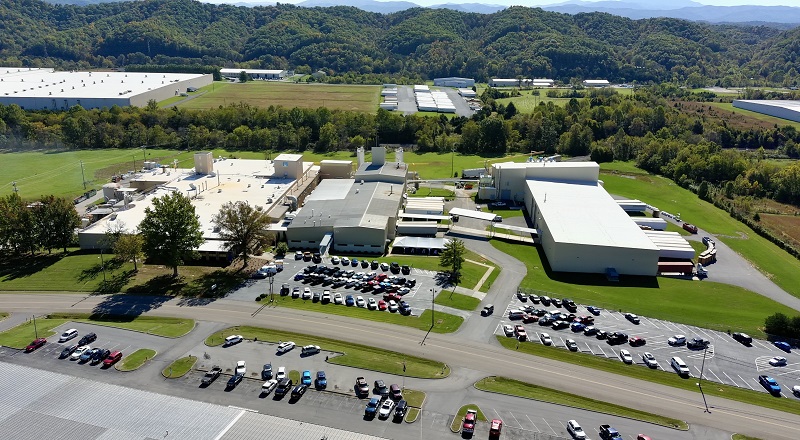
And that, my friends, got me thinking. If a handful of woodworking tools can make such a dent, what about an entire manufacturing facility? We're talking hundreds, thousands, even millions of square feet packed with machines that make Mark's shop look like a toy. How much energy are those behemoths sucking down? More specifically, what's the average energy consumption per square foot for a manufacturing facility?
Must Read
It's a question that sounds simple on the surface, but trust me, it's got more layers than an onion in an Ogre's swamp. And if you're involved in running one of these places, or just plain curious like me, understanding this metric is gold. It directly impacts your bottom line, your environmental footprint, and frankly, your competitive edge.
Why "Average" Is a Tricky Beast
Okay, so you want the number, right? The one magic number you can just plug into a spreadsheet and feel smart? Spoiler alert: it doesn't really exist. Or rather, it exists as a massive, sprawling range. Because, as you can probably guess, not all manufacturing facilities are created equal. Trying to find a single average is like trying to find the "average" human weight without considering age, gender, or whether they're an Olympic wrestler or a toddler.

Still, asking the question is the first step to becoming more energy-efficient, so let's dive into what makes this average so elusive.
What Burns the Most Juice? The Usual Suspects
The energy bill of a manufacturing plant isn't just one big blob. It's a symphony (or sometimes, a cacophony) of different processes all demanding power. Here are the big players:
1. What Are You Actually Making?
This is probably the biggest factor. Are you weaving delicate fabrics or smelting steel? Are you assembling tiny electronics in a clean room, or machining heavy-duty engine parts? A facility that's primarily doing light assembly with robotics and automated guided vehicles (AGVs) will have a vastly different energy profile than, say, a metal fabrication plant running massive CNC machines, arc furnaces, or industrial ovens all day long. The intensity of your process is everything.

2. The Building Itself: Old vs. New
Think about your grandma's drafty old house versus a modern, energy-efficient new build. Same principle applies here! An older facility might have less insulation, inefficient windows, and an outdated HVAC system that's essentially just blowing money out the roof. Newer buildings, especially those designed with sustainability in mind, often incorporate LED lighting, smart building management systems, and better thermal envelopes, making them inherently more efficient.
3. Your Equipment's Age and Efficiency
Remember Mark's old planer? It probably wasn't designed with energy efficiency as a top priority. Many older machines, while still functional, are just not as efficient as their modern counterparts. Motors, pumps, compressors – these industrial workhorses can be huge energy hogs. Upgrading to high-efficiency motors or variable frequency drives (VFDs) can make a staggering difference.

4. HVAC and Lighting: The Silent Energy Eaters
Even if your machinery is top-notch, maintaining a comfortable temperature (heating in winter, cooling in summer) and keeping the lights on are major energy consumers. Imagine trying to cool a massive open space in July, or heat it in January! Older fluorescent or incandescent lighting can chew through electricity, whereas modern LED lighting solutions offer superior illumination for a fraction of the power.
5. Hours of Operation
This one's a no-brainer, but crucial. A facility running 24/7 will naturally consume more energy than one operating a single shift, five days a week. However, even during "off-hours," phantom loads, standby power, and continuous HVAC needs can still contribute significantly to the total.
So, What's the "Number" You're Looking For?
Because of all these variables, giving you one simple kWh/sq ft number would be irresponsible. However, industry benchmarks often use metrics like kWh per square foot per year (kWh/sq ft/year) or BTU per square foot per year (BTU/sq ft/year). These allow you to compare your facility against others in the same industry or, perhaps more importantly, against your own historical data.

The ranges are vast. A lightly used warehouse might be in the single digits kWh/sq ft/year, while a heavy industrial plant with intensive processes could be in the hundreds. The key isn't necessarily hitting the average, but understanding your average and striving to improve it.
Your Mission: Know Thyself (and Your Energy Bill!)
The real takeaway here is this: rather than obsessing over a nebulous national average, focus on understanding your facility's unique energy footprint. Here's how:
- Get an Energy Audit: This is like a doctor's visit for your building. Professionals can pinpoint where your energy is going and identify the biggest opportunities for savings.
- Install Sub-Metering: Don't just look at the main bill! Meter specific machines or departments to see who the real energy hogs are. Knowledge is power, literally.
- Embrace Smart Tech: Building management systems, smart thermostats, occupancy sensors for lighting – these aren't just for fancy office buildings anymore.
- Engage Your Team: Sometimes, the simplest solutions come from the people on the floor. Turning off lights, shutting down equipment when not in use, reporting leaks – a culture of awareness makes a huge difference.
Understanding your energy consumption per square foot isn't just a number; it's a powerful tool. It helps you identify inefficiencies, justify investments in upgrades, and ultimately, save a significant amount of money while being kinder to the planet. So, next time you get your utility bill, think about Mark and his workshop, and then let your mind wander to the vast, complex world of manufacturing energy. It's fascinating, isn't it?