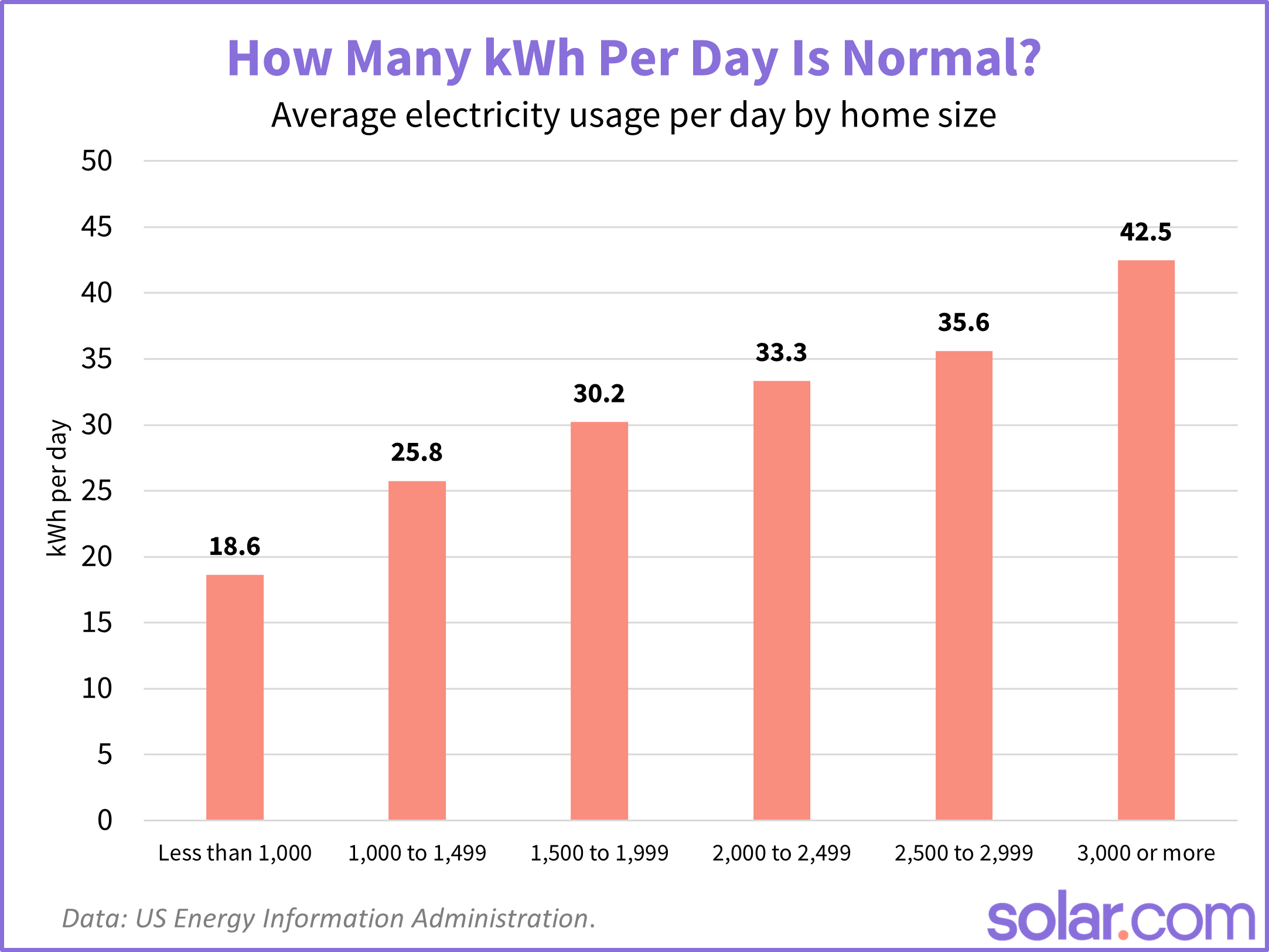
Average Electricity Consumption Per Day
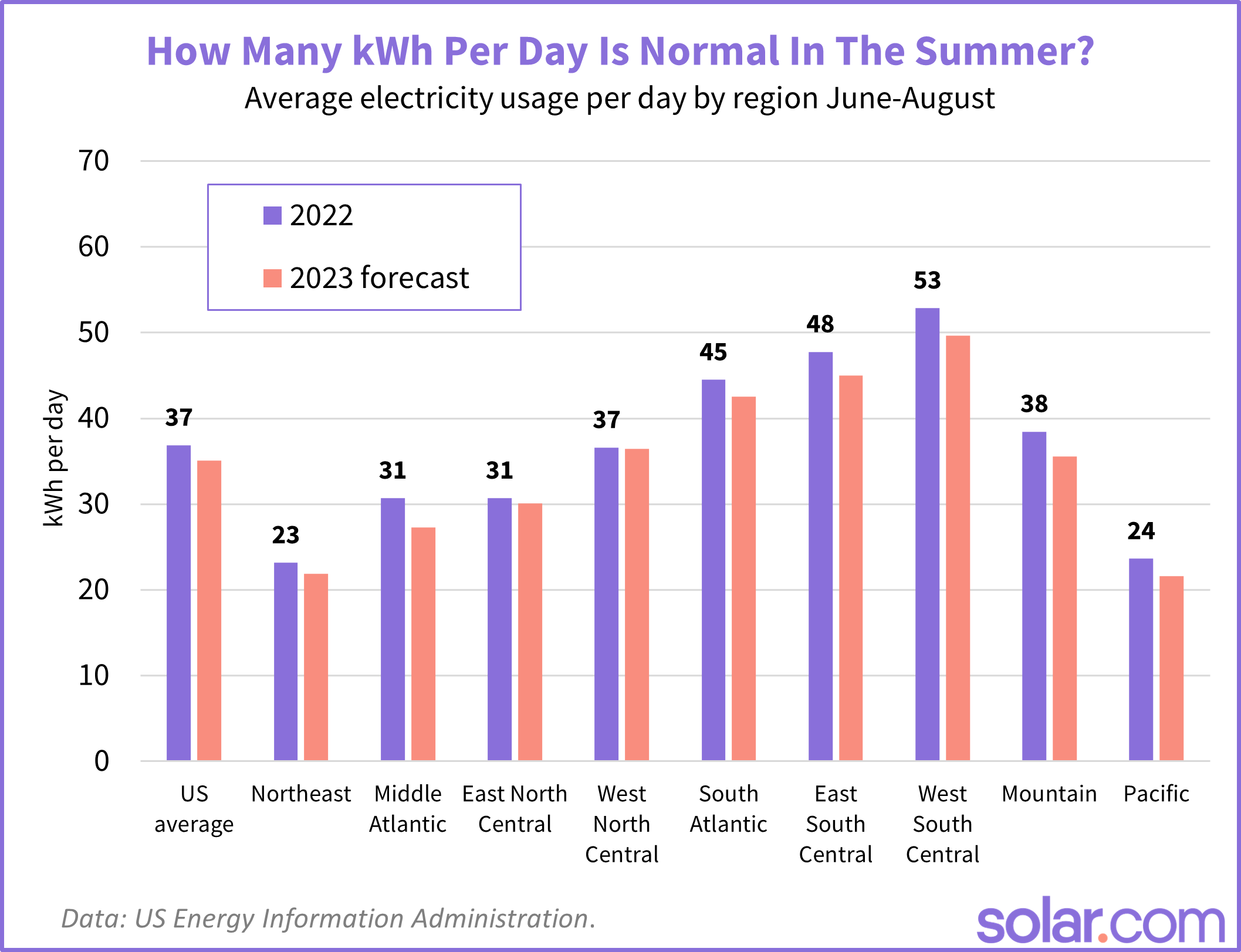
Have you ever paused to wonder just how much electricity your home quietly hums through in a single day? It's a bit like trying to guess how many steps you take without looking at your fitness tracker – we know it's happening, but the actual number can be surprisingly insightful! Exploring your average electricity consumption per day might sound a tad technical, but trust me, it’s actually a really fun and incredibly relevant journey into understanding our modern lives and how we interact with the world around us.
Think about it: from the moment your alarm clock buzzes (powered by electricity, of course!) to brewing your morning coffee, charging your phone, turning on the lights, running the fridge, watching TV, and maybe even working on a computer, our lives are intrinsically linked to a constant flow of energy. Understanding our average daily consumption isn't just about numbers; it's about gaining a clearer picture of our energy footprint, both as individuals and as a society. The core purpose here is to become more aware, more informed, and ultimately, more empowered consumers of energy.
The benefits are pretty neat, too. First off, it’s a fantastic way to potentially save some money. When you know where your electricity is going, you can spot areas of waste and make small changes that add up to real savings on your utility bill. Beyond your wallet, there's a significant environmental perk. Reducing our electricity consumption, especially if it comes from fossil fuels, means contributing to a lower carbon footprint and a healthier planet. It also helps us make smarter choices when buying new appliances – suddenly, that energy efficiency rating becomes a lot more meaningful!
Must Read
This knowledge isn't just for adults pondering bills; it’s a brilliant topic for education. In schools, kids can turn it into engaging science experiments, tracking appliance usage or comparing energy-saving methods. It can fuel math lessons, calculating costs per hour or percentage reductions. In daily life, this understanding helps us make practical decisions: Should I run the dishwasher at night? Is it worth unplugging unused chargers? It guides decisions on everything from upgrading to LED bulbs to considering smart home devices that optimize energy use. Knowing your average consumption provides a valuable benchmark, allowing you to compare your household’s usage against national or regional averages, offering context and encouraging further exploration.
Ready to embark on your own energy detective journey? It’s surprisingly simple! A great starting point is your electricity bill, which typically lists your total kilowatt-hours (kWh) consumed over a billing cycle. Divide that by the number of days, and voila, you have an average! Many homes now have smart meters that can provide real-time data or detailed daily breakdowns, offering an even deeper dive. You could also grab an inexpensive plug-in energy monitor (often called a Kill A Watt meter) and test individual appliances to see which ones are the real energy hogs. Or, for a super simple first step, just make a mental note of how often you leave lights on in empty rooms or keep devices charging unnecessarily. It's a small change, but every little bit of curiosity about our energy habits can lead to a bigger, more sustainable understanding of our world.