Average Electric Consumption Per Household
Okay, so picture this: You’re settling in for the evening, maybe binging a show, maybe just scrolling aimlessly through cat videos (no judgment here, we’ve all been there). The house is humming along – fridge purring, AC (or heat, depending on the season) doing its thing, lights are on, phone’s charging, laptop’s open, maybe a smart speaker is playing some chill vibes. Everything feels… normal, right?
Then, the electric bill lands. And suddenly, that "normal" feeling does a complete disappearing act, replaced by a raised eyebrow, a slight gasp, and an immediate mental calculation of how many extra hours you’ll need to work just to cover the kilowatt-hours. You know the drill, don't you?
That exact scenario (or a variation of it, perhaps a heated debate with a housemate about leaving lights on) got me thinking. What is normal? What’s the big picture? I mean, we all consume electricity, but what's the average electric consumption per household? Are we wildly out of sync, or are we just… average? This isn't just a casual curiosity, folks; it’s a quest for understanding, a journey into the electrifying unknown!
Must Read
The Great Average Revealed (Sort Of)
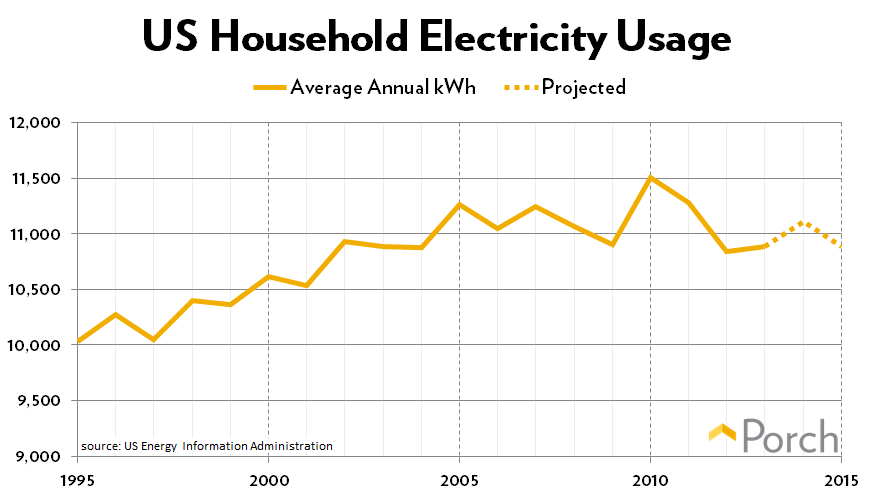
So, after a bit of digging (and trying not to get too bogged down in the super-technical jargon), it turns out the average US household uses around 893 kilowatt-hours (kWh) per month. Let that sink in for a second. Almost 900 kWh! That’s a lot of electrons doing a lot of work. But here's the kicker: that's just an average. It's like saying the average human has 1.9 legs – it doesn't really tell you much about your specific situation, does it?
Your actual usage can swing wildly. Think about it: a small, one-bedroom apartment with a single occupant is going to have a vastly different bill than a sprawling five-bedroom house with a family of five, two teenagers obsessed with gaming, and a dedicated home office (complete with server rack, because why not?). It's like comparing apples to… well, very energy-hungry oranges.
What Sucks Up All That Juice? The Usual Suspects
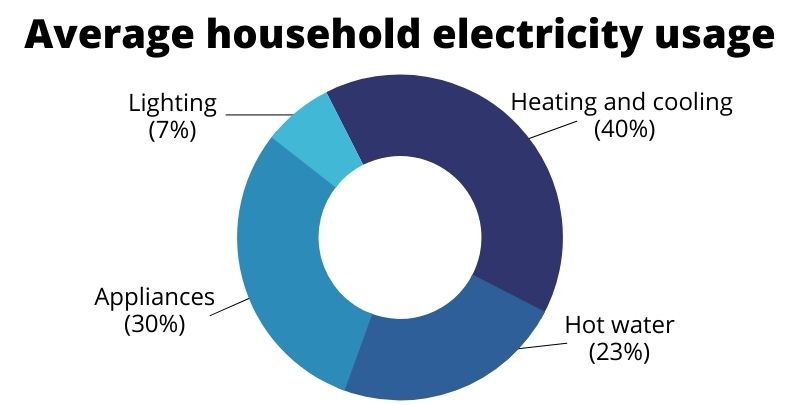
Ever wondered where all those precious kWh go? Let me tell you, it's usually not the lightbulb in your pantry that's breaking the bank. The biggest energy guzzlers in most homes are usually pretty obvious once you think about them:
- Heating and Cooling (HVAC): This is often the undisputed champion of electricity consumption. Keeping your home toasty in winter or frosty in summer takes serious power. Think about how often that unit kicks on, especially if your insulation isn't top-notch.
- Water Heater: Heating water is surprisingly energy-intensive. Every hot shower, every load of laundry, every dish washed in hot water adds up. It's like a silent, steamy vampire draining your energy budget.
- Refrigerator: It's always on, 24/7, keeping your snacks and leftovers fresh. Modern fridges are way more efficient than their older cousins, but they're still working non-stop.
- Washer and Dryer: Laundry day can be a heavy hit. Especially the dryer, which uses a lot of heat (and therefore, a lot of electricity) to get your clothes fluffy and dry.
- Lighting and Electronics: While individual items might not use much, when you add up all your lights, TVs, computers, gaming consoles, chargers, smart speakers, and whatever other gadgets you’ve got plugged in, it forms a respectable chunk. Oh, and don't forget the "phantom load" or "vampire drain" from devices that are off but still plugged in – they're silently sipping power! Sneaky, right?
So, Are You an Average Joe (or Jane)?
Honestly, it's hard to say without looking at your specific circumstances. But if you’re curious, grab your last electric bill. Look for that kWh number. Is it significantly higher or lower than that 893 kWh/month average? If it's way off, it might be worth a little detective work.

Maybe you live in a really old house with drafty windows. Maybe you keep your thermostat set to "arctic blast" in July. Or maybe, just maybe, you've got a secret bitcoin mining operation running in your basement (kidding… mostly). The point is, understanding the average gives us a benchmark, a starting point for our own energy audits.
Don’t feel bad if your number is higher. It just means there's more potential for improvement, right? And if it's lower, well, you're practically an energy guru! Share your secrets with the rest of us mere mortals.
In the end, it’s not about being perfectly "average." It’s about being aware. It’s about understanding where your energy goes and, if you choose, finding ways to be a bit more mindful. Because let’s be real, a lower electric bill means more money for… well, more cat videos, obviously. Or maybe a fancy coffee. Your choice!