
Average Cost To Replace 50 Gal Water Heater

Okay, so picture this: It's 6 AM, you're half-asleep, stumble into the shower, and BAM! Icy water. Not the refreshing kind. The "did-a-polar-bear-just-dump-a-bucket-on-me" kind. Yeah, that happened to me last week. Turns out, my trusty, rusty water heater finally decided to retire. Dramatically. Which led me down the rabbit hole of water heater replacement costs. And let me tell you, it's a journey.
Specifically, I needed to replace a 50-gallon water heater. Why 50 gallons? Well, it's generally the sweet spot for a small to medium-sized household (2-4 people). But figuring out the average cost to replace a 50-gallon water heater is like trying to nail jelly to a wall. There are so many variables!
The Big Question: How Much Are We Talking?
Alright, let's cut to the chase. The general range you're looking at for a 50-gallon water heater replacement is somewhere between $800 and $2,500. I know, that's a HUGE range. But hold on, don't hyperventilate yet. We'll break it down.
Must Read
Think of it like buying a car. You can get a basic, no-frills model or a loaded, top-of-the-line one. Same goes for water heaters. So, what makes the price fluctuate so wildly?
Factors That Impact the Cost
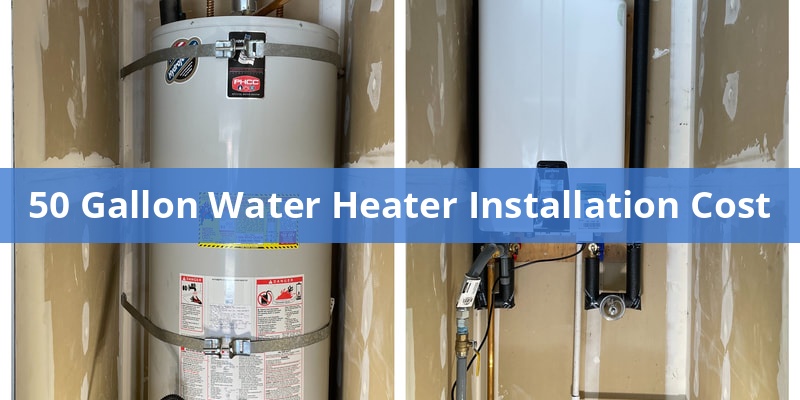
First, there's the type of water heater. You've got your standard tank models (the most common and generally cheapest), tankless models (more efficient but pricier upfront), heat pump models (energy-efficient but can be expensive), and even solar-powered ones (good for the environment, less good for your wallet... initially). We're focusing on the 50-gallon tank variety for this discussion, though.
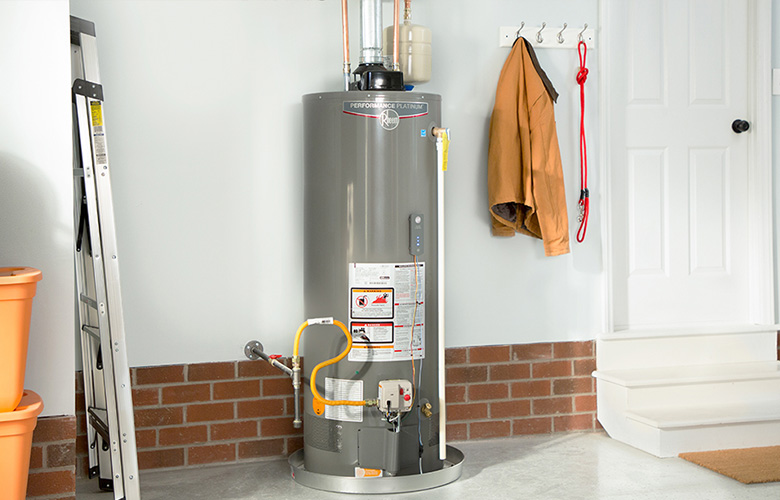
Then, there's the fuel source. Are we talking electric or gas? Gas units often have higher upfront costs due to more complex installation requirements (think gas lines, venting), but they can be cheaper to operate in the long run, depending on your local utility prices. Electric models are usually simpler to install, but might increase your electricity bill.
And let's not forget about labor costs. This is a big one. Plumbers aren't cheap (and rightfully so, they're saving you from a potential indoor flood!). Labor costs can vary depending on your location (city vs. rural), the complexity of the installation (are there existing plumbing issues?), and the plumber's hourly rate. Get multiple quotes! Seriously, do it. It's like comparison shopping for anything else, but with the added pressure of needing hot water ASAP.
Location, location, location! Your geographical area seriously matters. Big cities tend to have higher labor costs than rural areas. Plus, the cost of the water heater itself might be slightly different depending on where you buy it.
Don't forget about permits and inspections! Some areas require permits for water heater installations. This adds to the overall cost, but it's important to ensure the job is done correctly and up to code. Nobody wants a code violation nightmare down the road.
Breaking Down the Costs: A Rough Estimate
Okay, let's get a bit more specific with that initial $800-$2,500 range.

- Water Heater Unit (50-gallon tank): $400 - $1200. This is just the cost of the heater itself. Prices can vary wildly depending on the brand, features, and where you buy it (big box store vs. plumbing supply store).
- Installation/Labor: $400 - $1300. As we discussed, this depends heavily on location and complexity. Simple swap-outs are cheaper than installations that require new plumbing or venting.
- Permits/Inspections: $50 - $200. Varies by location. Call your local permitting office to find out the exact fees.
Add those up, and you get the rough estimate we talked about. See? Math IS useful in real life!
Tips to Save Money
Alright, so you're probably thinking, "How can I keep this from costing me a fortune?" Good question! Here are a few tips:
- Get multiple quotes. I cannot stress this enough.
- Consider a DIY installation only if you are very experienced with plumbing. Otherwise, leave it to the pros. A botched installation can lead to serious problems (and expensive repairs).
- Look for rebates and incentives. Your local utility company or state government might offer rebates for energy-efficient water heaters.
- Maintain your existing water heater. Regular flushing can help prevent sediment buildup and extend its lifespan (preventing premature, icy showers like mine!).
The Bottom Line
Replacing a 50-gallon water heater isn't exactly a walk in the park (especially when you're already dealing with a cold shower!). But by understanding the factors that influence the cost and doing your homework, you can hopefully avoid sticker shock and get your hot water flowing again without breaking the bank. And who knows, maybe this experience will turn you into a water heater expert! (Probably not, but hey, a guy can dream, right?)
