Average Cost Per Kwh In The Us

Ever stared at your electricity bill and wondered what on earth "kWh" actually means, or why your neighbor's bill seems so different from yours? You're not alone! Understanding the average cost per kWh in the US might sound a little dry, but trust me, it's actually one of the most useful bits of financial know-how you can tuck into your everyday toolkit. Why? Because it directly impacts your wallet, helps you make smarter choices, and can even turn into a fun little game of "how much can I save this month?" It's a topic that affects practically every household, making it surprisingly popular for anyone looking to get a better grip on their monthly expenses.
So, who benefits from digging into this kilowatt-hour conundrum? For beginners, it’s the ultimate first step to demystifying your electricity bill. Knowing the base rate helps you understand exactly where your money is going and empowers you to start making informed decisions about your energy use. For families, it's a game-changer for budgeting. Imagine knowing that running the dishwasher at a certain time could save you a few cents, or realizing that an old, inefficient fridge is costing you significantly more. It’s about finding those hidden savings that can add up to extra cash for family fun. And for the hobbyists among us—perhaps those fascinated by smart home tech, solar energy, or even just detailed personal finance—tracking your kWh cost and consumption can become an engaging project, a way to optimize your home’s efficiency and see tangible financial returns on your efforts.
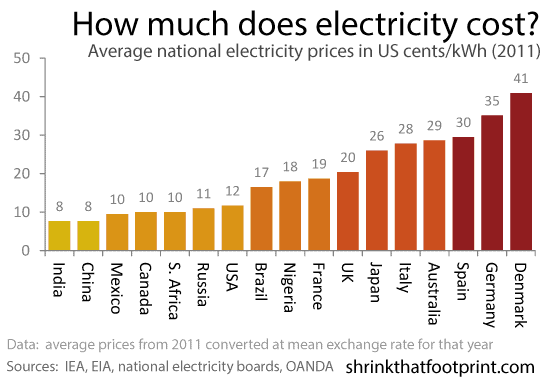
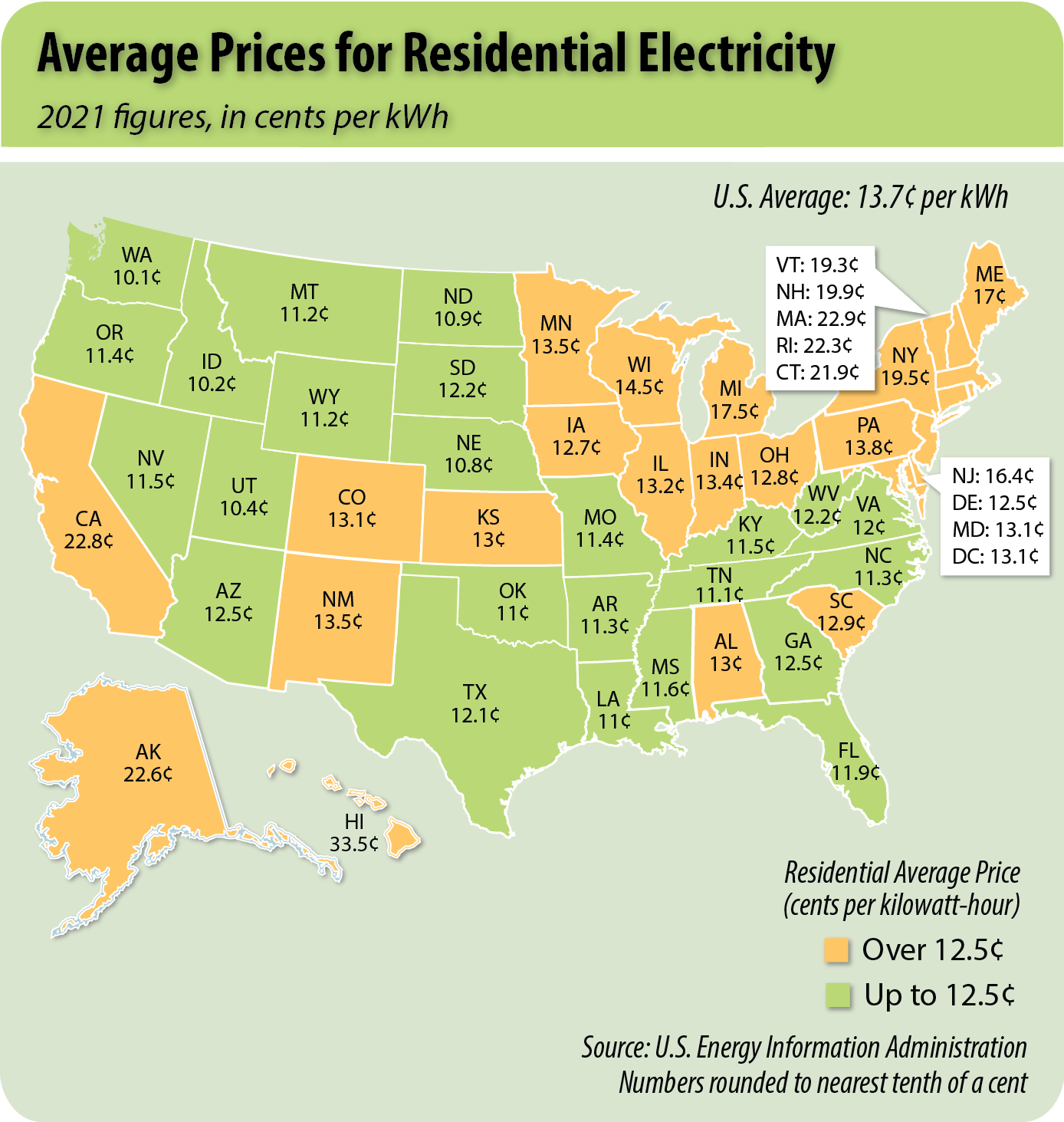
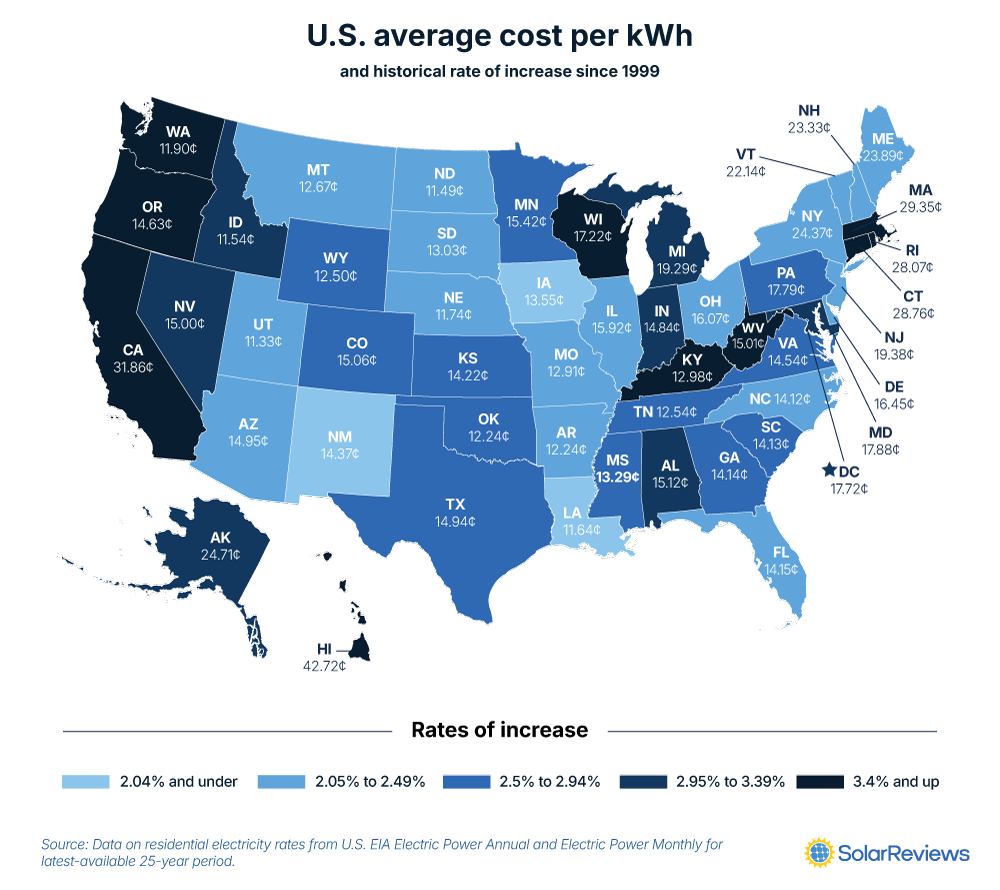
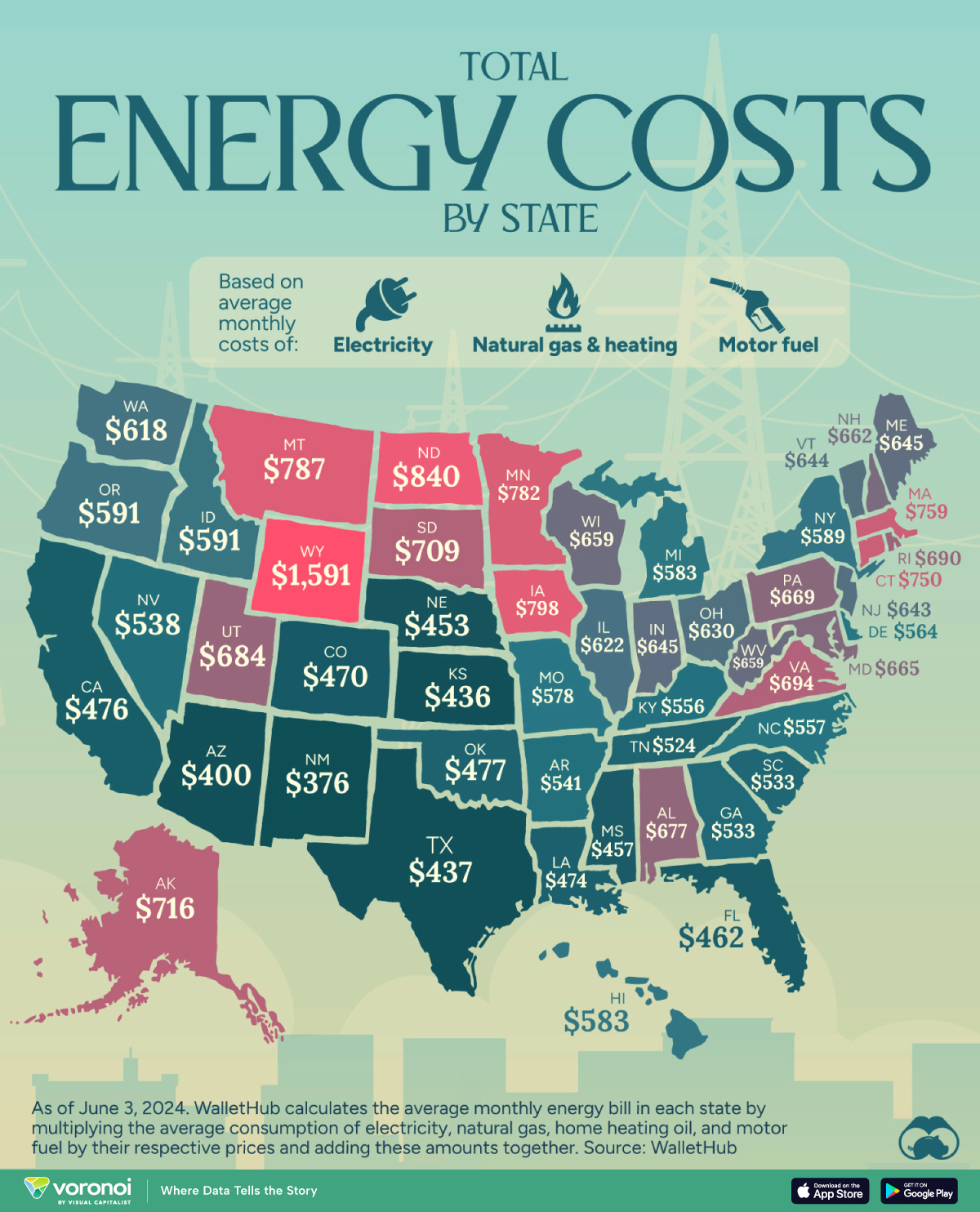
The "average" cost per kWh in the US is a good benchmark, but it's important to know that it's really a sliding scale with lots of variations. For instance, residents in Hawaii often face some of the highest electricity costs in the nation, while states in the Midwest or Pacific Northwest might enjoy significantly lower rates. These differences aren't just state-to-state; sometimes, even within the same state, different utility providers can have varying charges. You might also encounter time-of-use rates, where electricity costs more during peak demand hours (like weekday evenings) and less during off-peak times. This encourages smarter energy consumption by rewarding you for shifting high-usage activities to less busy periods. The type of energy generation in your region (coal, natural gas, hydro, solar, etc.) and local infrastructure investments also play a big role in these price fluctuations.
Must Read
Ready to start exploring your own energy landscape? It's super simple! First, find your own rate. This is usually clearly stated on your electricity bill, or you can find it on your utility provider’s website. Look for a line item that mentions "supply charge" or "energy charge" in cents per kWh. Once you have that number, you can easily compare it to national or state averages found online with a quick search. Next, start identifying your home's "energy hogs." That old second fridge in the garage or those incandescent bulbs might be costing you more than you think. Simple, practical tips include unplugging electronics when not in use (they can still draw "phantom" power!), turning off lights when you leave a room, and adjusting your thermostat by a few degrees. Consider investing in a smart thermostat or energy-efficient light bulbs (LEDs are fantastic!). These small changes can make a surprisingly big difference.
So, while understanding the average cost per kWh might not win you any trivia contests, it offers a real and tangible benefit: greater control over your finances and a deeper understanding of your home's energy footprint. It’s about making smart, everyday choices that lead to real savings and a more efficient, comfortable living space. Dive in, get curious, and start making those kilowatt-hours work smarter for you!