
Average Cost Of Housing In Us
Okay, so picture this: My buddy, Mark, has been obsessed with finding his first home. He’s been scrolling Zillow and Redfin like it’s his full-time job. One evening, he excitedly shows me this listing – a super cute, three-bedroom house with a decent yard, all for what looked like a shockingly reasonable price. His eyes were practically sparkling. "Dude," he practically shouted, "I found it! The American Dream, affordable and everything!"
I looked at the address. Turns out, this perfect, affordable little slice of heaven was nestled in a small town about, oh, eight hours from where we live, deep in the rural Midwest. Which, for the record, is a perfectly lovely place, but definitely not where Mark needed or wanted to be for his job or his family. The look on his face when he realized his "deal of the century" required a monumental life upheaval was priceless. He went from ecstatic to deflated faster than a cheap party balloon.
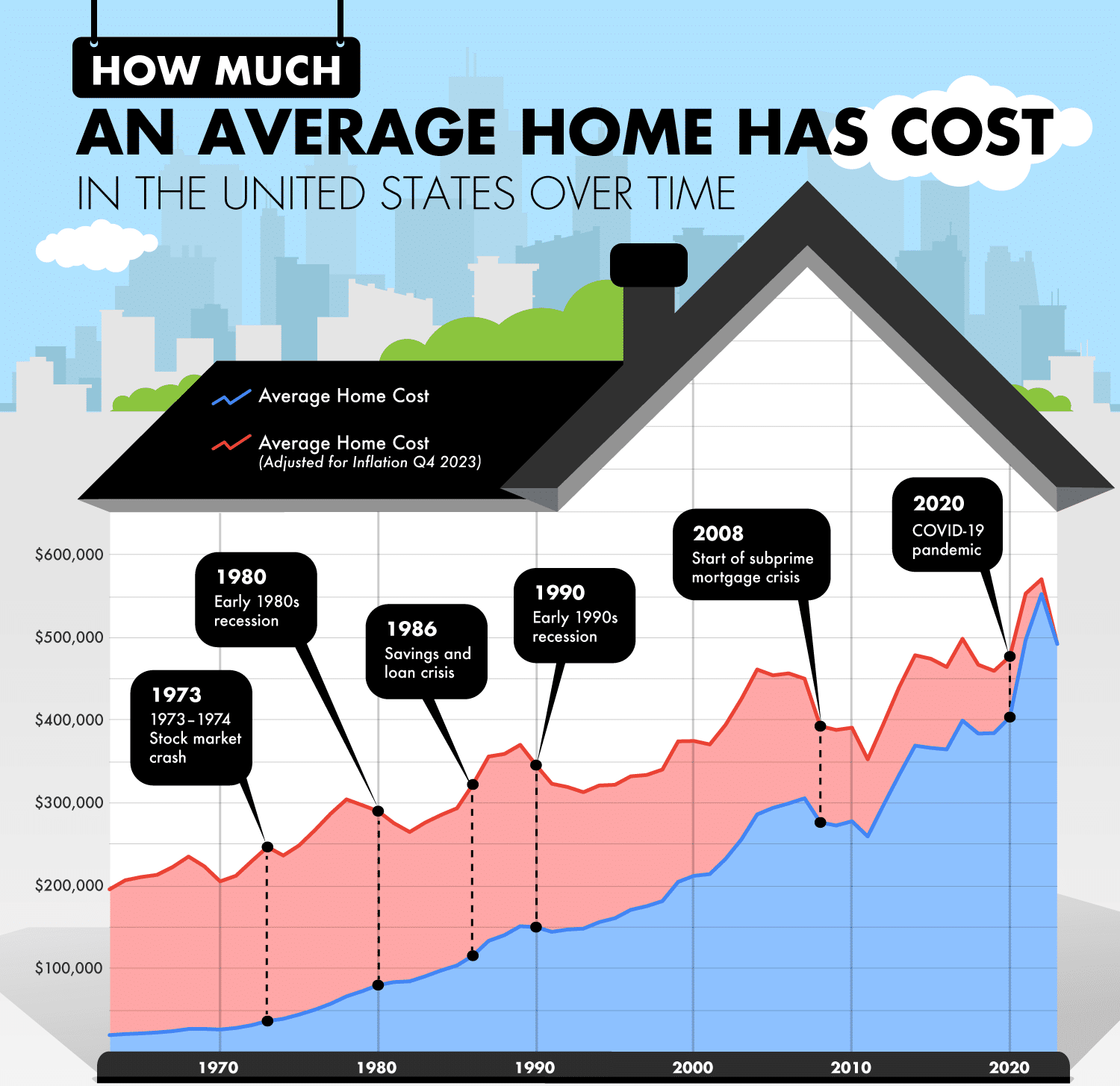
That little moment perfectly encapsulates the headache, and honestly, sometimes the hilarity, of trying to figure out the average cost of housing in the US. Because Mark’s "average" was radically different from mine, and probably yours too, depending on where you're reading this, right?
Must Read
So, What's the Real "Average"?
You hear numbers thrown around all the time, don't you? "The average home price is X," or "Rent has climbed Y%." But here’s the thing: those national averages are a bit like saying the average human has one breast and one testicle. Technically true, but utterly useless for understanding an individual! For housing, it’s even more complex.
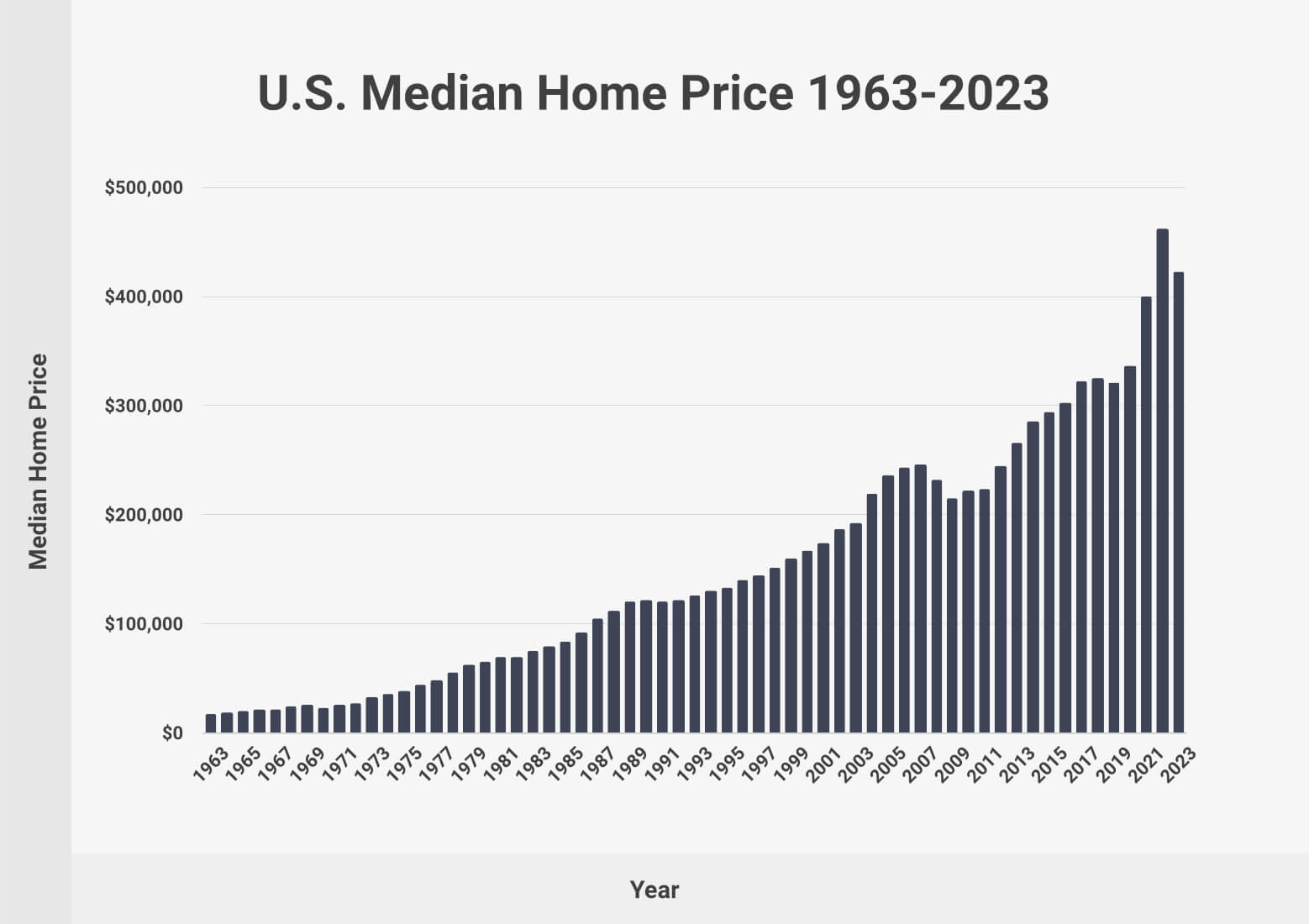
When we talk about "average," we often mean the median price, which is usually a better indicator than the mean. The median is the price where half of the homes sold for more and half sold for less. It cuts out the super-luxury mansions in Malibu and the dilapidated cabins in the woods from skewing the picture too much. But even the median still paints a broad stroke on a canvas that needs a micro-fine brush.

The truth is, there isn't really one average. It's a spectrum, a sliding scale, a veritable rollercoaster of numbers. And trust me, it can be a wild ride!
Why So Wildly Different? The Usual Suspects
So, why is it so hard to pin down a national average that feels relevant to your life? Oh, let me count the ways:

First up, the undisputed king of real estate factors: location, location, location! You want a shoebox studio in Manhattan? Be prepared for sticker shock that could buy you a small castle in, say, Oklahoma. A suburban single-family home in Silicon Valley? That’s going to be a world away from a similar home in, say, suburban Ohio. It’s not just state by state; it’s city by city, neighborhood by neighborhood, heck, sometimes even street by street!
Then there are the interest rates. Oh, those pesky interest rates! They don’t change the house price itself, but they absolutely torpedo (or save) your monthly payment. A slight bump in rates can add hundreds, sometimes thousands, to what you pay over the life of a loan. It’s like the ghost in the machine of your mortgage, silently making things more or less affordable.

Supply and demand also play a huge role. If everyone wants to live somewhere, but there aren't enough houses being built (hello, many coastal cities!), prices skyrocket. Conversely, if a town is losing population or has an abundance of available homes, prices might be more stagnant or even dip. It's basic economics, but with very real consequences for your wallet.
Don't forget the type of home. Are we talking about a sprawling single-family house with a two-car garage, a cozy condo, a modern townhouse, or a manufactured home? Each category has its own average cost. And let’s not even get started on whether it’s a fixer-upper or a move-in ready dream – that's a whole other can of worms, often involving hidden costs and DIY nightmares!
The Takeaway: Your Average is Unique
So, what's the average cost of housing in the US? It's... whatever the average is in your specific market, for your specific housing type, at this specific moment. Not exactly a catchy soundbite, I know. But it’s the honest truth.
Instead of fixating on national averages, which are largely academic, do your own homework. Dive into the local listings. Talk to a real estate agent (they're gold for local insights). Figure out what you can realistically afford in the areas you actually want to live in.
Mark eventually found his home, by the way. It wasn't the rural mansion for a song, nor was it the broom closet for a fortune. It was a perfectly decent, if slightly-above-his-initial-budget, townhouse in a neighborhood he loved, about 20 minutes from work. He had to adjust his expectations, but he got there. And that, my friends, is probably the most "average" experience of all when it comes to finding a home in the US.