
Average Air Conditioner Electricity Consumption
Picture this: It's August, the sun is blazing like a forgotten oven, and you can practically hear the asphalt melting outside. You stumble through your front door, utterly defeated by the humidity, and then... ahhh. That glorious, arctic blast from your air conditioner hits you. Instant relief. You practically want to hug the vents. It’s pure, unadulterated bliss, right?
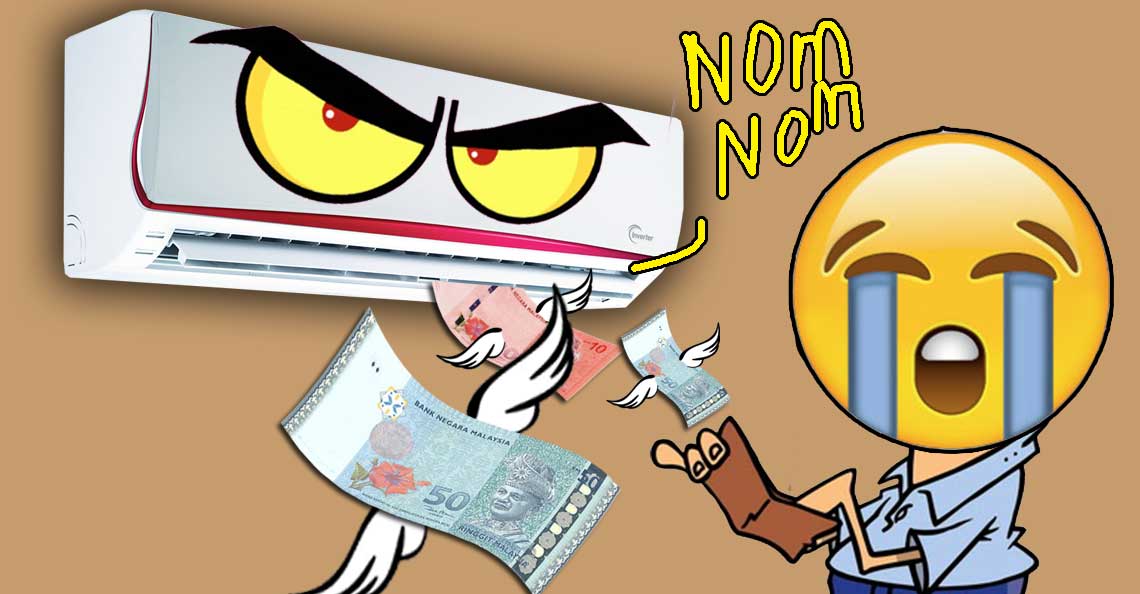
Yeah, I know the feeling. That moment is priceless. But then, a few weeks later, that little email or paper envelope arrives, and suddenly, the "price" doesn't feel so abstract anymore. Your jaw drops, your eyes widen, and you think, "Did I just pay for an extra room in the North Pole?" You're not alone, my friend. We've all been there, staring at a bill that looks like it belongs to a small data center rather than a cozy home.
And that, my dear reader, is where the burning question comes in: just how much electricity does an air conditioner actually gobble up? It's a mystery worthy of a true-crime podcast, but with less murder and more... kilowatt-hours. Let's peel back the layers of this cool conundrum, shall we?
Must Read
The Elusive "Average": Why It's Not So Simple
If you're looking for one neat little number that says, "Your AC costs exactly X dollars per hour," prepare for a dose of reality. It's not that straightforward. Think of it like asking, "How much does a car cost to run?" Well, depends on the car, right? Fuel efficiency, how much you drive, gas prices... you get the drill.
The same goes for your AC. There are so many variables at play that trying to pinpoint an exact average for everyone is like trying to catch smoke with a sieve. But we can talk about some ballpark figures and, more importantly, the factors that swing the needle.
Let's dive into what really matters:
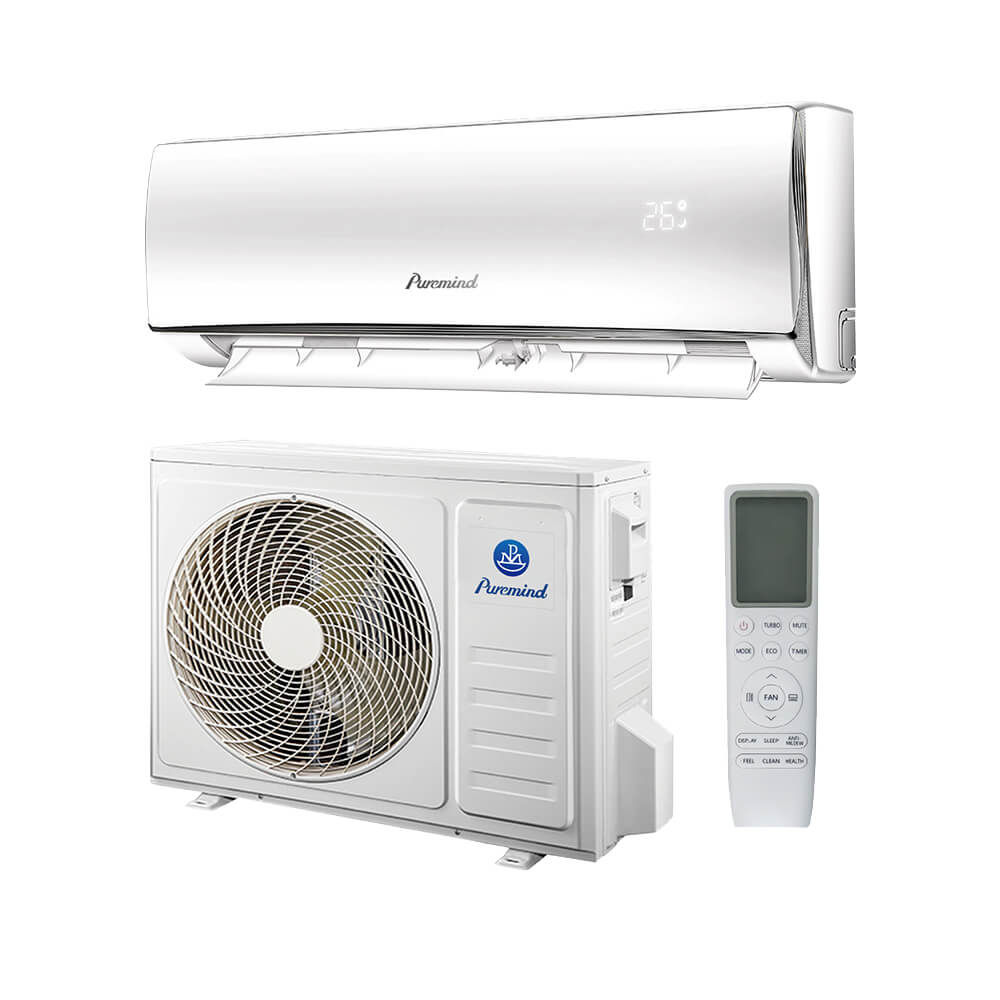
1. The Type of AC You've Got:
- Window Units: These are often the lowest consumers, especially smaller ones. They're designed for single rooms.
- Split Units: A bit more powerful, often used for larger rooms or open-plan areas.
- Central Air: The big daddy. It cools your whole house, so naturally, it's going to use more power overall, even if it's super efficient on a per-square-foot basis.
2. Your Unit's Size (BTUs/Tonnage):
This is crucial. BTU stands for British Thermal Unit, and it's basically how much heat an AC can remove per hour. More BTUs = more cooling power = generally more electricity consumption. A tiny 5,000 BTU unit for a small bedroom is vastly different from a 2-ton (24,000 BTU) central air system.
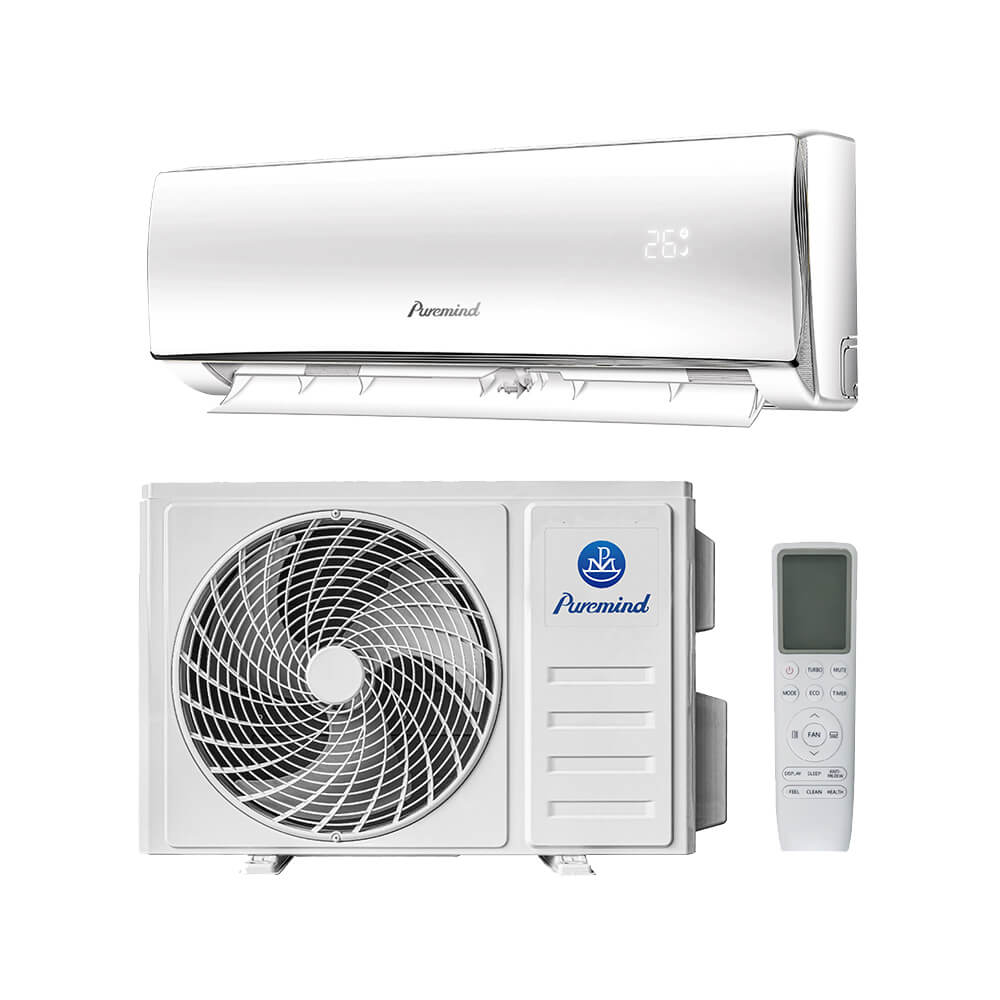
3. The Mighty SEER Rating:
This is your unit's Seasonal Energy Efficiency Ratio. Higher SEER numbers mean a more efficient unit. An old, clunky 8 SEER unit is going to drink electricity like it's going out of style compared to a modern 16 SEER or even 20+ SEER monster. It's the difference between a gas guzzler and a hybrid, electricity-wise.
4. How You Use It (Your Habits, You Rebel!):

- Temperature Setting: Dropping your thermostat from 24°C (75°F) to a frosty 20°C (68°F) can make your AC work significantly harder and longer. Every degree counts, believe me.
- Hours of Operation: Running it 24/7? Or just for a few hours in the evening? Obvious, but worth stating!
- Your Home's Insulation: A leaky, poorly insulated house is like trying to cool a sieve. The cold air just escapes, and your AC keeps running and running and running... ugh.
- Outdoor Temperature: The hotter it is outside, the more effort your AC needs to expend to reach your desired indoor temperature.
So, Can We Get Some Numbers, Please?!
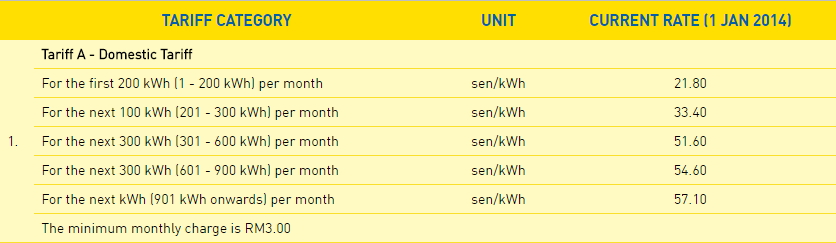
Alright, alright, I hear you! Let's get down to some rough estimates, keeping in mind these are very generalized. Electricity rates vary wildly from region to region (and even time of day!), so I'll stick to kWh (kilowatt-hours) first.
- A small window AC (5,000 BTUs) might use around 0.5-0.8 kWh per hour.
- A medium-sized split unit (12,000 BTUs) could be in the range of 1.0-1.5 kWh per hour.
- A central AC (2.5 tons / 30,000 BTUs) might draw 3.0-5.0 kWh per hour, depending on efficiency and load.
To convert this to dollars, you need your electricity rate. Let's say, for example, your rate is $0.15 per kWh (check your bill, it's usually there!).
- Small window AC: 0.7 kWh * $0.15/kWh = $0.105 per hour.
- Medium split AC: 1.2 kWh * $0.15/kWh = $0.18 per hour.
- Central AC: 4.0 kWh * $0.15/kWh = $0.60 per hour.
Now, multiply that by how many hours you run it daily, and then by 30 days. You can quickly see how those pennies and dimes become dollars, and then those dollars become... well, a reason to cry into your now-cool-but-expensive couch.
Tips for Not Breaking the Bank (or Your Spirit)
Don't despair! There are ways to keep cool without taking out a second mortgage. Consider these:
- Set it Wisely: Aim for 24-26°C (75-78°F). It might not feel like an igloo, but it's comfortable and vastly more efficient than trying to freeze your pipes.
- Regular Maintenance: Clean or replace your filters every month or two during peak season. A dirty filter makes your AC work so much harder. It's like trying to breathe through a clogged nose!
- Seal Leaks: Weatherstrip doors, caulk windows, and plug any gaps. Don't let that precious cool air escape!
- Use Fans: Ceiling fans or portable fans can make you feel cooler without actually lowering the temperature, allowing you to set your AC a degree or two higher.
- Shade Your Home: Close curtains or blinds during the hottest parts of the day. Planting trees or shrubs can also help in the long run.
- Smart Thermostats: These can learn your habits, adjust temperatures when you're away, and save you a bundle. Pretty neat, right?
So, there you have it. The average air conditioner's electricity consumption isn't a fixed target, but a dynamic range influenced by a host of factors. The good news is, armed with this knowledge, you're not powerless. You can make informed choices to enjoy that sweet, sweet arctic blast without suffering from "bill shock" every month.
Stay cool, stay smart, and may your electricity bills be ever lower! Unless you really like paying for an igloo, in which case, carry on, you magnificent rebel.