
Automatic Water Shut Off Valve With Sensors

Alright, settle in, grab your imaginary latte, because I’ve got a story for you. A story about a silent hero, a ninja of plumbing, a guardian against the watery apocalypse that quietly threatens every single home. We’re talking about the Automatic Water Shut-Off Valve With Sensors. Yes, it sounds like something a robot would order at a fancy tech café, but trust me, it’s about to become your new best friend.
Picture this: You’re on vacation. Somewhere sunny, sipping a piña colada, completely blissed out. Meanwhile, back home, a tiny, insidious leak begins. Maybe it’s the hot water heater finally giving up the ghost, or that washing machine hose decided today was the day to stage a rebellion. Drip. Drip. Drip. Then, suddenly, whoosh! Your hardwood floors are now an indoor pond, your basement looks like a scene from an aquatic horror movie, and your bank account is spontaneously combusting under the weight of future repair bills. Sound familiar? Because statistically, it probably will, at some point.
Water damage is no joke. It’s the kind of disaster that makes grown adults weep into their soggy baseboards. It’s expensive, it’s messy, and it’s usually discovered when it’s already too late, often after you’ve returned from that blissful vacation to a home that smells vaguely of mildew and despair. But what if I told you there’s a way to stop that horror story before it even gets to the sequel?
Must Read
Enter the Aqua-Guardian 3000 (or whatever catchy name you prefer!)
This isn't some futuristic gadget out of a sci-fi movie, though it feels like it. It's a remarkably simple, yet profoundly powerful device: an automatic water shut-off valve with sensors. Think of it as your home's personal, highly vigilant lifeguard, but instead of blowing a whistle and shouting at unruly kids, it just quietly slams the door on unwanted water.
So, how does this magic happen? It’s not actually magic, it’s clever engineering. The system generally has a few key players:

The Sniffers: Water Sensors
These are the little detectives of the operation. You place these dime-sized (or slightly larger) sensors in all the vulnerable spots: under every sink (kitchen, bathroom, laundry room), near your water heater, by the washing machine, under the dishwasher, behind the fridge (for ice makers), and certainly in the basement if you have one. They’re like tiny, highly sensitive electronic sponges, constantly alert. If even a drop of water touches them, they freak out. In a good way.
Some of these little guys are so smart, they can even detect changes in humidity or temperature, sniffing out trouble before it even becomes a visible puddle. They're basically saying, "Houston, we have a trickle!"

The Bouncer: The Shut-Off Valve
This is the main event, the muscle of the operation. The valve is installed on your home's main water line, usually right where the water comes into your house. It’s like the bouncer at the club, ready to cut off the party if things get out of hand. When a sensor detects water, it sends an urgent, frantic signal to the central controller. The controller, being the boss, immediately tells the valve to close down completely. Instantly. No questions asked. Water flow? Gone. Crisis? Averted.
Imagine the relief! Instead of arriving home to a scene out of "Jaws," you might just get a notification on your phone saying, "Hey, buddy, your dishwasher tried to pull a fast one, but I handled it. You're welcome."
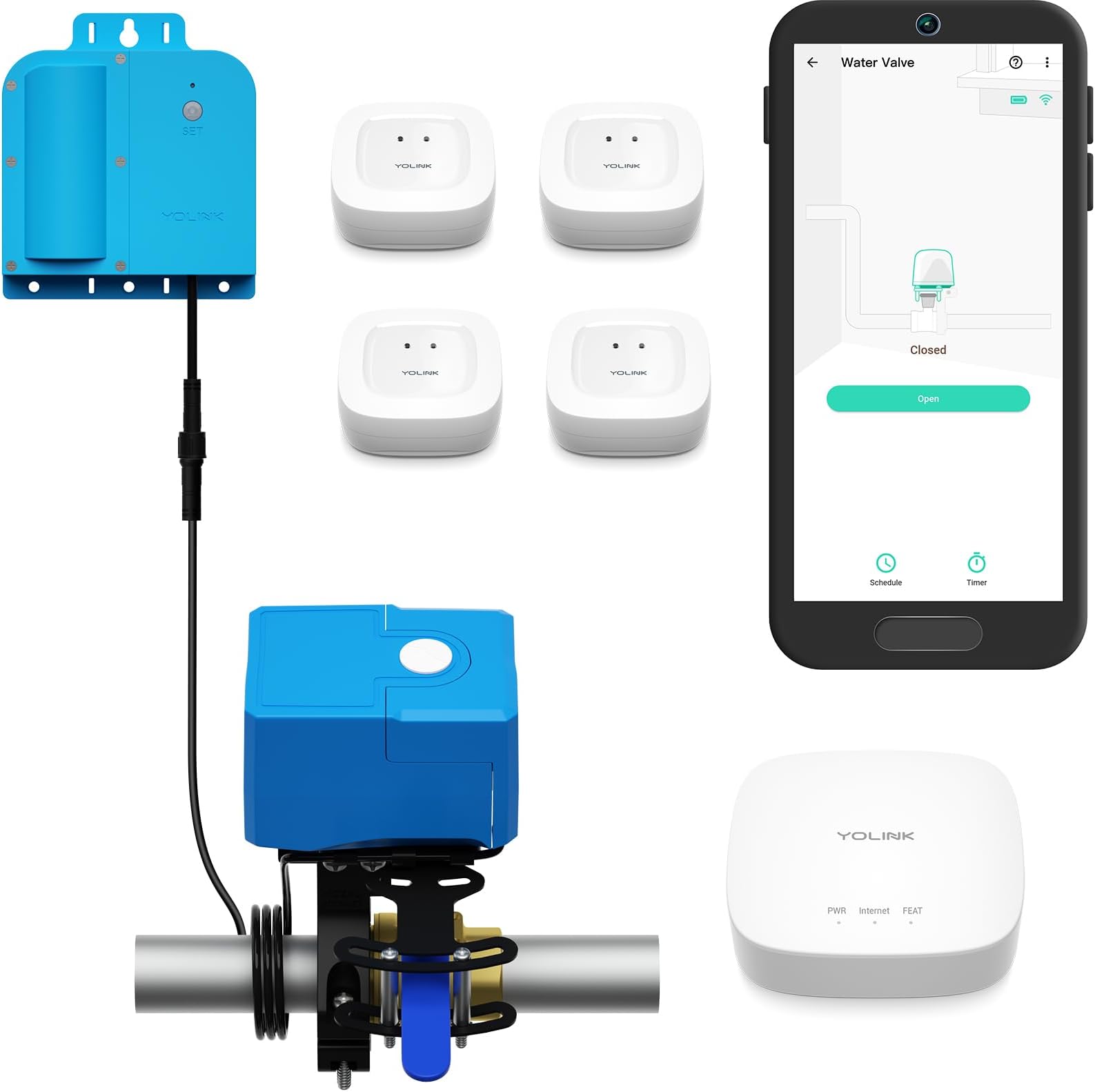
The Brain: The Controller
This is the central hub, the mastermind, the tiny general orchestrating the whole defense. It receives the signals from the sensors and sends commands to the valve. Many modern systems are also "smart," meaning they connect to your home's Wi-Fi. This is where the real fun begins!
With a smart system, you get instant notifications on your phone if a leak is detected. You can even remotely shut off your water from anywhere in the world. On that beach in the Maldives? No problem. Just tap an app. It's like having a superpower, but for plumbing. You'll be able to tell your friends, "Yeah, I saved my house from a flood today, from my phone, while ordering another mojito."

Why You Absolutely, Positively Need One of These Marvels
Beyond the obvious "avoiding a soggy nightmare" reason, there are some pretty compelling arguments:
- Peace of Mind: This is probably the biggest one. No more frantic mid-flight thoughts about whether you turned off the washing machine. No more waking up in a cold sweat dreaming your basement is now an Olympic-sized pool. You can truly relax, knowing your home has a watchful, tireless sentinel.
- Saving Serious Dough: Water damage repairs are shockingly expensive. We’re talking thousands, sometimes tens of thousands of dollars for remediation, structural repairs, and replacing soggy possessions. A shut-off valve? A few hundred bucks, tops. It’s a tiny investment to protect what’s likely your biggest one. Think of it as an insurance policy that actually prevents the problem instead of just paying for the cleanup.
- Protecting Your Treasures: It’s not just about the structure. It’s about the photo albums in the basement, the antique rug, the sentimental items. These things are often irreplaceable. The valve stands guard over them.
- Eco-Friendly Bragging Rights: Less wasted water means you’re doing your bit for the planet. You can feel good about preventing unnecessary water loss, even if it's just a slow, unnoticed drip that adds up over time.
I mean, who among us hasn’t left for a weekend trip and had that nagging feeling, "Did I leave the iron on? Is the front door locked? Is my entire house slowly filling with water?" With one of these bad boys, at least one of those anxiety-inducing questions is permanently answered. You’ll be the envy of your neighbors, especially the one who had to replace their entire kitchen floor because of a sneaky dishwasher hose.
So, there you have it. The automatic water shut-off valve with sensors. It’s not flashy, it’s not particularly glamorous, but it is, without a doubt, one of the smartest and most reassuring pieces of home technology you can invest in. It’s the kind of device that works silently, tirelessly, and only truly shows its superhero cape when disaster tries to strike. And when it does, you'll be profoundly grateful for your very own Aqua-Guardian, standing firm against the tide.