
Assets Liabilities Equity Revenue Expenses Examples
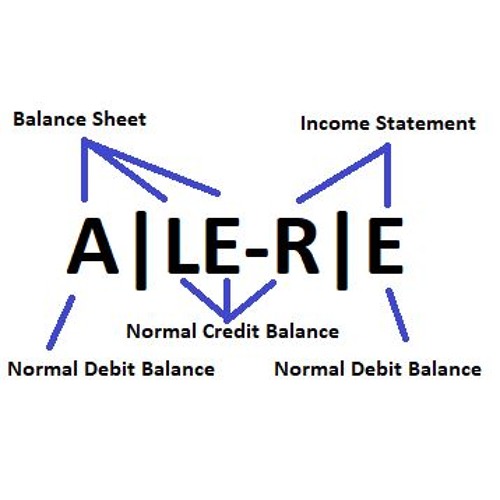
Ever feel like your finances are a giant, confusing game? Well, you're not alone. But what if I told you the rules are actually pretty simple, and understanding them can be… dare I say… fun? Let's demystify the accounting world with a dash of humor and a sprinkle of relatable situations.
Assets: The Stuff You Own (and Love… Mostly)
Think of assets as everything you own that has value. It's your stuff! The things that, if you sold them, would bring in some sweet, sweet cash. This includes obvious things like your house, your car, and the cash in your bank account. But it also includes less obvious things, like that vintage guitar you inherited from your grandpa, or even the intellectual property of that viral TikTok dance you created (okay, maybe not you, but someone!).
Example: Remember that time you bought a fancy espresso machine? That's an asset! It brings joy (and caffeine!) to your mornings. But let's be honest, it also might be gathering dust in the corner. Either way, it's something you own that technically has value (even if that value depreciates every time you accidentally over-tamp the grounds).
Must Read
Liabilities: The Debts You Owe (and Try to Forget)
Now, let's talk about the not-so-fun part: liabilities. These are your debts. The money you owe to other people or organizations. Think of that credit card bill looming on your desk, your mortgage payments, or that student loan you’re desperately trying to ignore. These are the things that make your wallet weep.
Example: Picture this: you impulsively bought a lifetime supply of gourmet dog biscuits on your credit card. Those biscuits are technically an asset (your dog is thrilled!), but the credit card bill is a liability. A delicious, dog-approved liability, but a liability nonetheless.
Equity: Your Net Worth (the Happy Number)
This is where things get interesting. Equity is essentially what's left over when you subtract your liabilities from your assets. It’s your net worth! The amount of the asset you actually own after paying off all debt. It represents your ownership stake in something. It's the happy number that shows how much of your stuff is actually yours, free and clear.
Example: Let's say you own a house worth $500,000 (asset) and you owe $300,000 on your mortgage (liability). Your equity in the house is $200,000. You own $200,000 worth of that house, outright!
Revenue: The Money Coming In (Cha-Ching!)
Revenue is the money you earn from selling goods or services. Think of it as the sweet reward for your hard work. For a business, this could be sales from their products. For you, this could be your salary, freelance income, or even the money you make selling those vintage finds you discovered in your attic.
Example: You decide to knit and sell ridiculously oversized cat sweaters online. Each sweater brings in $50. That $50 per sweater is your revenue. Congrats, you’re officially a cat couture mogul!

Expenses: The Money Going Out (Boo!)
And finally, we have expenses. These are the costs associated with running your life or business. It’s all the money that goes out to keep things running. Think of rent, groceries, utility bills, the cost of those gourmet dog biscuits, and, yes, even the yarn for your cat sweater empire.
Example: You are a small business owner and need to pay rent for the building, electricity and water bill, etc. These are expenses.

Putting It All Together: The "Accounting Equation"
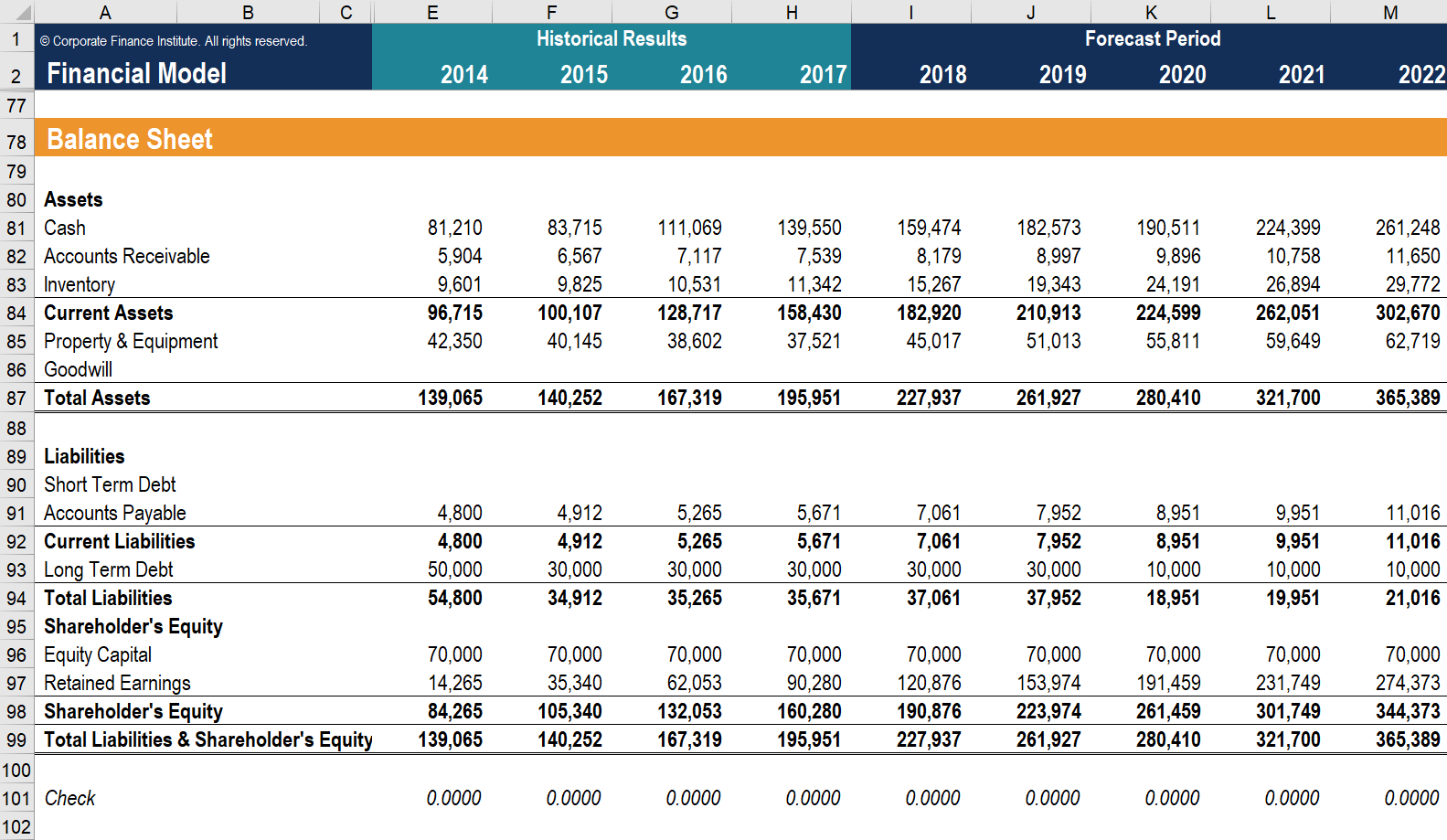
Here's the magic formula: Assets = Liabilities + Equity.
It's the foundation of accounting. It ensures that everything is balanced. Think of it as a see-saw that always needs to be level. If your assets go up, either your liabilities or your equity (or both!) have to go up as well. It is important to take the time to consider these elements when starting a business.
So, the next time you hear someone talking about assets, liabilities, equity, revenue, and expenses, don't run for the hills! Remember the espresso machine, the dog biscuits, and the oversized cat sweaters. Understanding these basic concepts can empower you to take control of your finances and make smarter decisions. And who knows, maybe you'll even find a little bit of joy in the process!