
Are Window Air Conditioners Expensive To Run
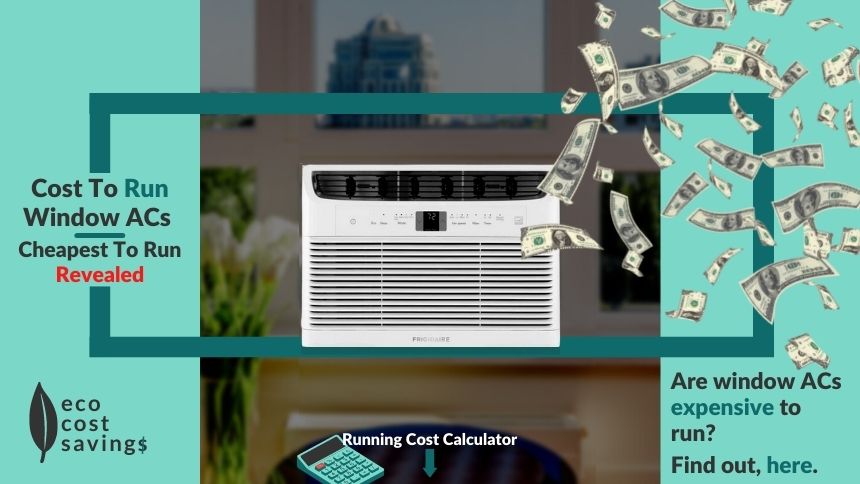
Let's talk about window air conditioners! Why? Because summer's here, and nobody wants to melt in their own home. Figuring out how much these handy little cooling machines cost to run is essential if you want to stay comfortable without blowing your budget. Whether you're a first-time AC buyer, a family trying to save money, or a DIY enthusiast tinkering with home efficiency, understanding the energy consumption of your window AC is definitely worthwhile.
So, are window air conditioners expensive to run? The short answer is: it depends! The long answer involves a few factors. For beginners, the key is to understand the Energy Efficiency Ratio (EER) or the Seasonal Energy Efficiency Ratio (SEER). These numbers, usually found on the AC unit itself or in its specifications, indicate how efficiently the AC converts electricity into cooling power. Higher numbers mean better efficiency and lower running costs. Think of it like miles per gallon for your car – you want more miles (cooling) per gallon (unit of electricity).
For families, budgeting is key. A larger AC unit will cool a larger room faster, but it will also consume more power. Choosing the right size for your room is crucial. Too small, and it will run constantly, wasting energy. Too big, and it will cycle on and off frequently, which is also inefficient. Use an online AC size calculator to find the British Thermal Units (BTUs) needed for your room size. Also, consider the impact of using multiple AC units. Running several smaller, efficient units in different rooms might be more cost-effective than running one large, inefficient unit for the whole house.
Must Read
Hobbyists, this is where things get interesting! You can use a device like a Kill-A-Watt meter to measure the actual energy consumption of your AC unit over time. This allows you to precisely calculate your running costs and compare different settings. Some enthusiasts even explore modifications to improve efficiency, such as adding insulation around the unit or optimizing airflow.
Let’s look at some examples. A small, energy-efficient window AC (around 5,000 BTU with a high EER) might cost only a few pence per hour to run. A larger, older unit (around 12,000 BTU with a low EER) could easily cost several times that. You can also find "smart" window ACs that connect to your Wi-Fi and allow you to control them remotely, setting timers and adjusting the temperature based on your schedule, further optimizing energy usage. Think about how often you actually use the AC. If you only need it a few hours a day, a timer can save you money.
Here are some simple tips to get started saving money:
- Clean the air filter regularly. A clogged filter makes the AC work harder.
- Seal gaps around the unit. This prevents cool air from escaping and warm air from entering.
- Use ceiling fans to circulate air. This allows you to set the AC to a higher temperature.
- Close curtains and blinds during the hottest part of the day. This reduces the amount of heat entering the room.
- Consider a programmable thermostat or smart features on your AC unit to control temperature when you're not home.
Ultimately, understanding the energy usage of your window air conditioner empowers you to make informed choices and stay comfortable without breaking the bank. So go ahead, explore the options, experiment with settings, and enjoy a cool and cost-effective summer!
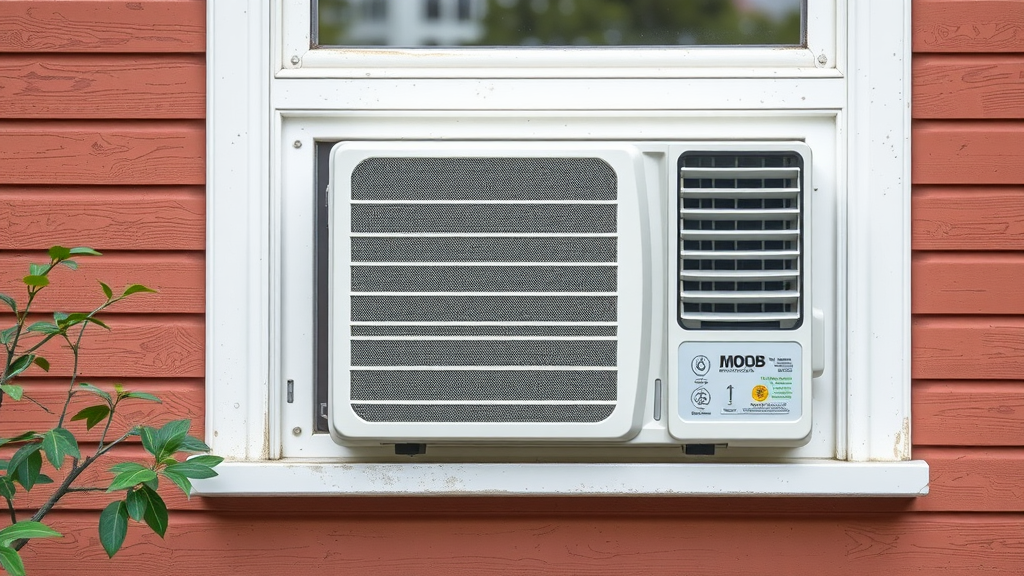
![Air Conditioners: Mini Split vs Window Unit [Pros & Cons]](https://www.electricrate.com/wp-content/uploads/2023/03/are-window-units-expensive-to-run.jpg)
![Window Air Conditioner Running Costs [Free Calculator]](https://applianceanalysts.com/wp-content/uploads/2019/11/WindowACChart.png)