Are Whole House Fans A Good Idea

Picture this: It's a gorgeous summer day, the kind where the sun feels like a warm hug, but then evening rolls around, and your house feels like a giant, stagnant oven. You've got the windows open, maybe a pathetic box fan valiantly trying to stir the air, but nothing. The heat just sits there, heavy and unmoving. You've probably thought, "Ugh, if only I could just suck all this hot air out!"
I know I have. Many times. Especially after a sweltering day when the AC has been on all afternoon and you just want to air the place out without feeling like you're baking. It's that feeling that led me down the rabbit hole to explore something a bit old-school, a bit magical, and surprisingly relevant: the whole house fan. And let me tell ya, this isn't your grandma's attic fan anymore. Or, well, it can be, but it's gotten a serious glow-up.
So, What Exactly Are We Talking About Here?
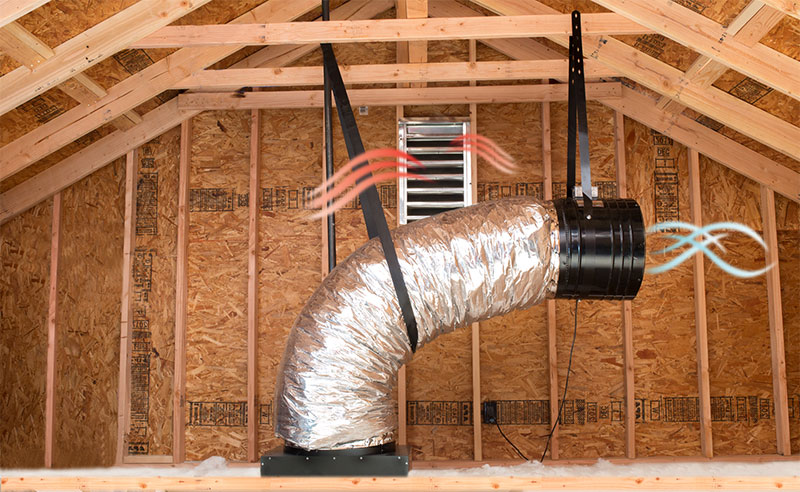
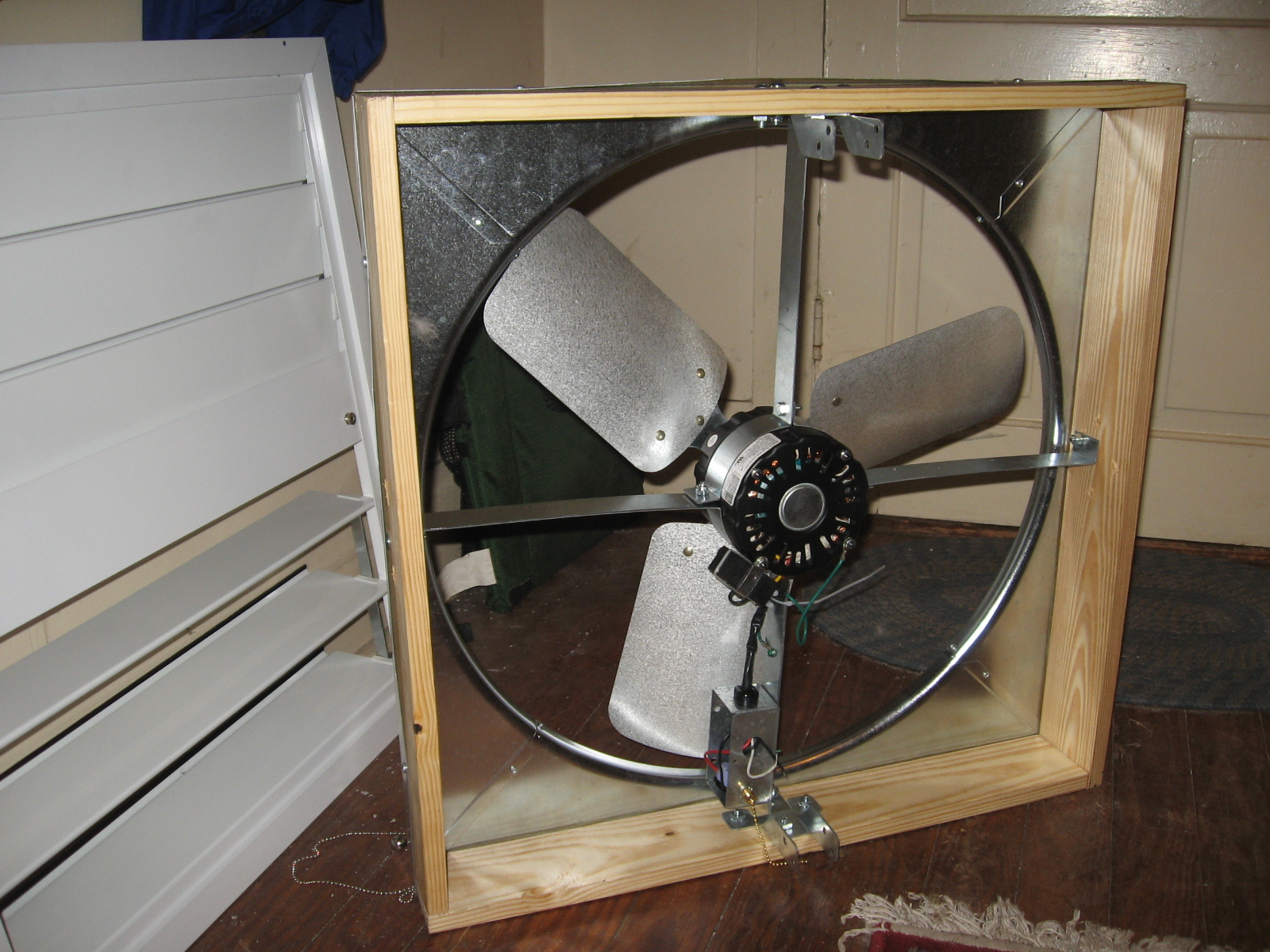
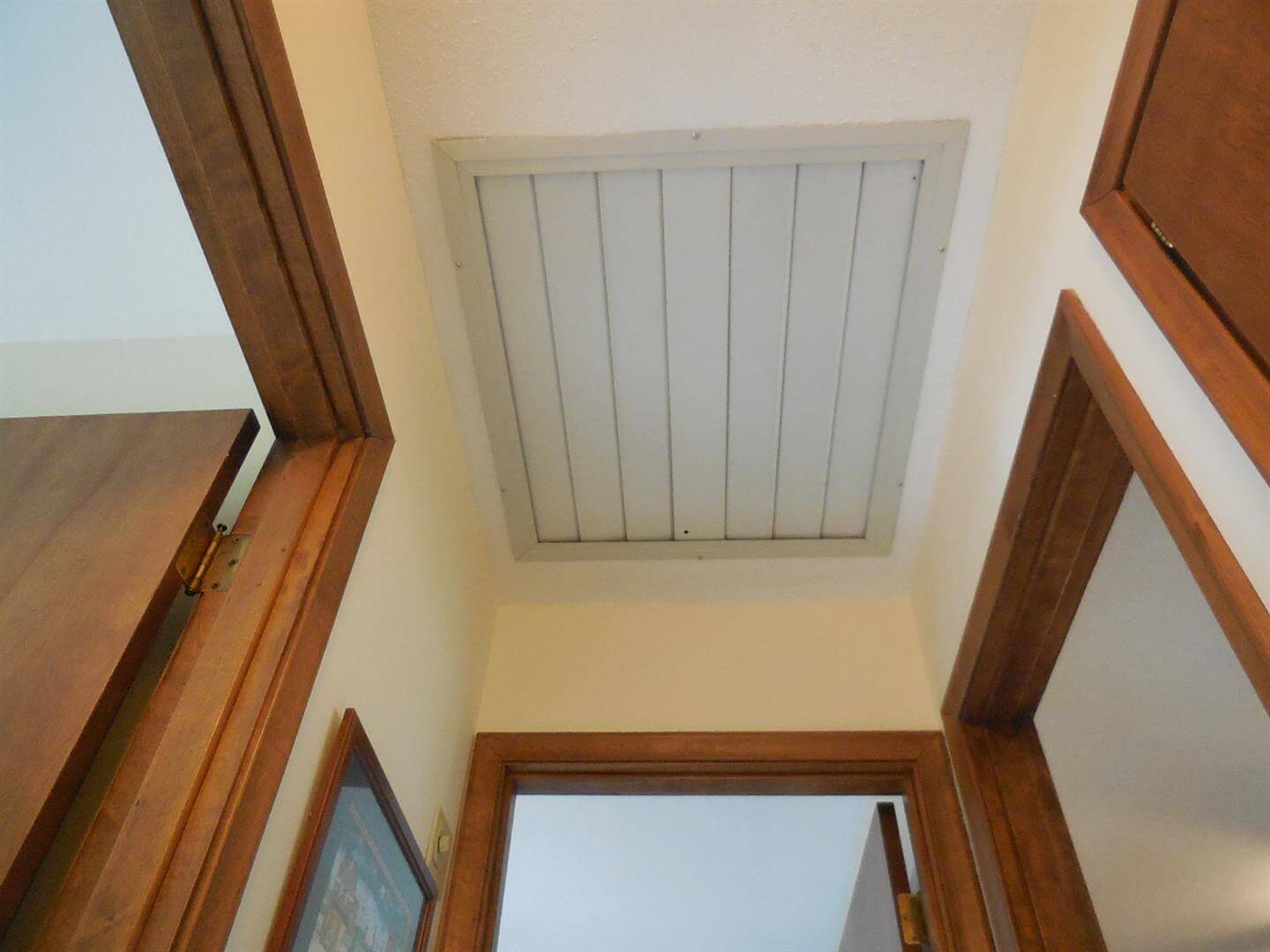
A whole house fan isn't just another ceiling fan. Oh no, my friend. This bad boy is typically installed in your attic ceiling, and when you fire it up, it basically creates a massive vacuum. It pulls cooler outdoor air in through your open windows, sucks all the hot, stale air from inside your house up into the attic, and then pushes that hot air right out of your attic vents. Think of it as giving your house a giant, refreshing breath of fresh air.
Must Read
Sounds pretty sweet, right? Like a superhero for your sweaty abode. But is it actually a good idea? Let's dive in.
The Upsides: Why You Might Love One
First off, let's talk about the good stuff, because there's a lot to like here:

- Energy Efficiency Champion: This is where WHFs really shine. Running a whole house fan typically costs pennies per hour compared to dollars for your AC. If your climate cools down nicely in the evenings (hello, desert and Mediterranean climates!), you can often turn off the AC hours earlier or even skip it entirely on many days. We're talking serious savings on your electricity bill.
- Fresh Air Flush: Ever cook something stinky? Or just feel like the air in your house is a bit... recycled? A WHF can completely replace the air in your house in just a few minutes. Allergens, odors, stale air – poof! Gone. It's like opening every window at once, but with a powerful assist.
- Comfort Beyond Cool: AC cools the air, sure, but a WHF moves a lot of air. That gentle breeze circulating through your home can make 75 degrees feel more like 70. It's a different kind of comfort, more natural, more akin to an open-window evening breeze, but amplified.
- Quieter Operation (Now!): Older models had a reputation for sounding like a jet engine taking off in your attic. Modern WHFs, especially the variable-speed models, are surprisingly quiet. Some are barely a hum, which is a huge win for evening operation.
So, for those sweet, sweet shoulder seasons or evenings that dip into the comfortable 60s and 70s, a WHF can be an absolute game-changer. You get that fresh air, that lovely breeze, and you're not sweating your utility bill.
The Downsides: Reality Check Time
Now, before you go ripping open your attic ceiling, let's pump the brakes just a smidge. Nothing's perfect, right? And WHFs have their considerations:
- Climate Is Key: This is the big one. If you live in a super humid area (looking at you, deep South!), or somewhere that simply doesn't cool down much at night, a WHF isn't going to be your primary hero. Pulling in 80-degree, 90% humidity air isn't exactly refreshing. It works best where evening temperatures are consistently lower than inside temps.
- You Need Open Windows: Sounds obvious, but it's a security consideration. You need multiple windows open for the fan to work effectively and safely. If you're not comfortable leaving windows ajar overnight, this might not be for you.
- Installation Can Be Tricky: It's more involved than hanging a ceiling fan. You need proper attic ventilation for the hot air to escape, and the fan itself needs to be sized correctly for your home. It’s often best left to a pro to ensure it's installed safely and efficiently, and that your attic insulation doesn't get sucked into the fan (yes, that can happen!).
- It's Not a Replacement for AC (Usually): While it can reduce AC usage dramatically, it likely won't eliminate it entirely for those scorching summer days. Think of it as a powerful companion, not always a standalone solution.
So, Are Whole House Fans a Good Idea?
My verdict? For the right home in the right climate, a whole house fan is an absolutely brilliant idea. It’s an incredibly efficient way to bring fresh air in, cool your house down, and save you money. It appeals to that part of us that craves natural ventilation and hates feeling cooped up.
If you live in an area where evenings cool down, and you love the idea of fresh air circulating through your home without constantly cranking the AC, then yes, a whole house fan is definitely worth investigating. Do your research, consider your climate, check your attic space, and maybe get a quote. You might just find your new favorite way to beat the heat and enjoy those precious evening breezes.
It’s about being smart, being comfortable, and maybe, just maybe, finally sucking all that stagnant hot air right out of your life. Literally.