Are Gas Leaks Covered By Home Insurance

Imagine settling in for a cozy evening, maybe with a cup of tea and your favorite book. Everything's perfect, until... wait, what's that smell? Is it the neighbor's experimental cooking, or something a little more sinister? Suddenly, the distinct, unforgettable aroma of a gas leak sends a shiver down your spine. Your mind races: "My house! My stuff! And most importantly, Am I covered?" It's a question that can make even the calmest homeowner's heart do a little jig.
When you’re standing there, nose twitching, phone clutched tight, one of the first thoughts (after "Evacuate!") is often about the wallet. Specifically, "Will my home insurance swoop in like a cape-wearing hero to save the day?" The surprising, often chuckle-inducing answer, dear reader, is: it depends! Yes, it’s not a straightforward "yes" or "no," which, let’s be honest, is peak adulting. But don't worry, we're going to peek behind the curtain without getting bogged down in tiny print. Think of your home insurance policy as a friendly detective. It wants to know the story behind the leak.
The Case of the Sudden Surprise
If the gas leak is caused by something sudden and accidental – maybe a pipe unexpectedly gives out, or a contractor accidentally nicks a line during a renovation (oops!) – then your insurance policy often says, "Alright, we can work with this!" This is where your policy shines, covering the unexpected twists and turns of homeownership. It’s like when Clara accidentally drilled through a wall trying to hang a picture, only to hit a water pipe. Totally unforeseen, totally a mess, but her insurance was there. Gas leaks stemming from similar unexpected events often fall into this "covered" category, turning a potential disaster into a manageable repair job.
Must Read
When Neglect Knocks
Now, if the leak is a result of, say, ignoring that rusty, dripping pipe in the basement for five years, or consistently forgetting to service your ancient furnace, then insurance might look at you with a gentle sigh and a less enthusiastic "Hmm, let's talk." This is what they call negligence or poor maintenance. Insurance is generally there for the "accidents," not the "I-knew-this-was-going-to-happen-someday-but-didn't-do-anything." It’s a bit like expecting your car insurance to cover a flat tire after you’ve been driving on a bald one for months. So, keeping up with home maintenance is not just good for your peace of mind; it's also good for your insurance relationship.
So, what does your policy typically cover if it decides to lend a hand? Firstly, there's the damage to your home. This is the big one! If the gas leak causes an explosion (the ultimate worst-case scenario) or even just structural damage, your insurance can help with the hefty costs of rebuilding or repairing your house itself. We're talking walls, ceilings, floors – the whole shebang. Secondly, if your personal property is damaged or destroyed, your policy usually steps in. Did the explosion turn Grandma's antique vase into confetti? Lastly, if your home becomes uninhabitable during repairs, your policy might cover the cost of a hotel or temporary rental. Imagine Mr. Henderson, who had to relocate his prize-winning goldfish to a fancy pet hotel after a mishap. His insurance made sure both he and the fish were comfy!

However, there are usually limits. The actual cost of the gas that leaked out? Not really. And the repair to the source of the leak itself, especially if it's due to long-term wear and tear that you should have addressed, might be on your dime. Remember, insurance aims to cover the unforeseen damage, not routine upkeep or the cost of the utility itself.
Let's talk about Brenda. Brenda was convinced her new, somewhat quirky, rescue cat, Whiskers, was just extra gassy. For days, she dismissed a faint smell, attributing it to Whiskers' "exotic diet." Then one evening, Whiskers, in a fit of playful zoomies, knocked over a small, decorative shelf in the kitchen. To Brenda's horror, behind the shelf was a slightly corroded gas line, now with a very distinct hiss. Turns out, Whiskers, in his own strange way, had inadvertently saved the day by exposing a slow, persistent leak that Brenda's nose had normalized. The leak was due to aging pipes, but the immediate crisis and resulting damage (minor wall repair from the shelf, and the cost of the emergency plumber who fixed the immediate breach) were covered because the deterioration led to a sudden incident that became clear. Brenda was so relieved, she bought Whiskers an extra-fancy salmon treat. It just goes to show, sometimes even our pets contribute to our insurance stories!
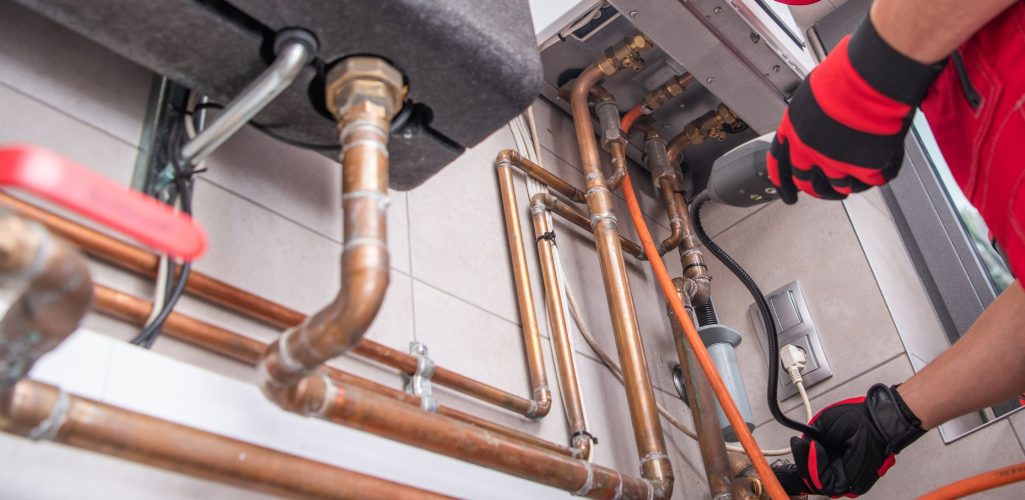
The absolute best advice when faced with any potential issue – gas leak or otherwise – is simple:
"When in doubt, always reach out to your insurance provider! They are the experts on your specific policy."
Don't play guessing games with your safety or your finances. A quick call to your agent can clear up a world of worries and help you understand the specifics of your coverage. They’re there to help you navigate the tricky bits and bring back that peace of mind.
So, while the thought of a gas leak is enough to make anyone's stomach do flip-flops, understanding how your home insurance might (or might not) step in can turn a moment of panic into a plan of action. Keep your home well-maintained, know your policy, and rest easy knowing that for many of life’s unexpected twists, there’s a safety net. And maybe, just maybe, give your pet an extra treat – you never know when they might be your unsung hero!