Apollo Senior Floating Rate Fund Inc

Ever wondered how sophisticated investment strategies work, but felt intimidated by the jargon? Let's demystify one particular corner of the investment world: the Apollo Senior Floating Rate Fund Inc. (NYSE:AFT). It might sound complex, but understanding its basic principles can be surprisingly insightful, even if you're not a seasoned investor. Think of it as peeking behind the curtain of a financial institution – understanding the tools they use can help you better understand the broader economy.
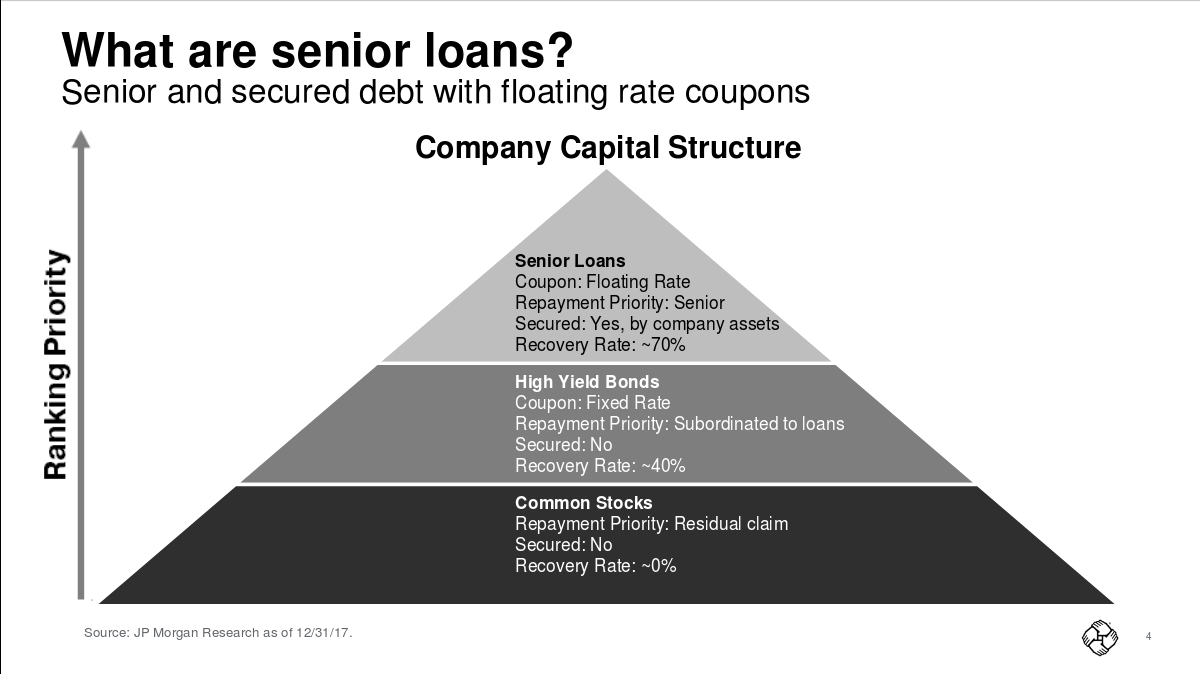
So, what is AFT all about? Its primary purpose is to generate current income, with a secondary objective of preserving capital. It achieves this by investing primarily in senior, secured floating rate loans. That's a mouthful, isn't it? Let's break it down. "Senior" means these loans have priority in being repaid if the borrower runs into trouble. "Secured" means the loans are backed by collateral, which provides another layer of protection. And "floating rate" means the interest rate adjusts periodically, usually based on benchmarks like LIBOR or SOFR. This is key because it helps to protect the fund from rising interest rates, since the income it generates also increases.
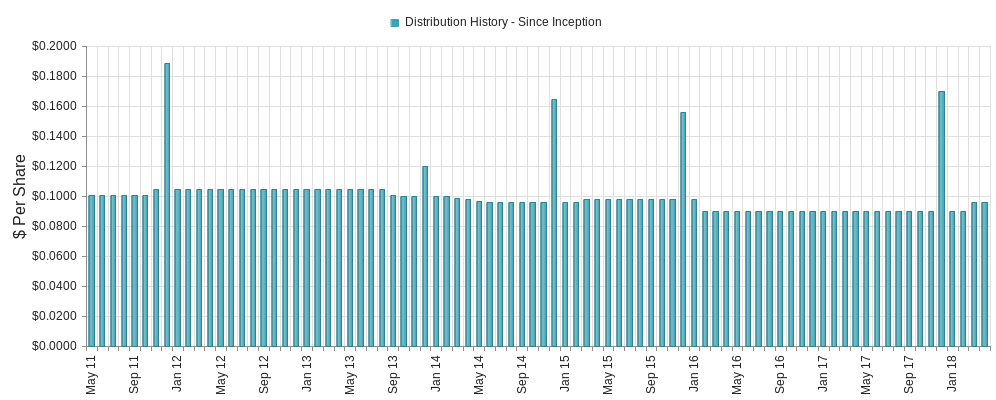
Essentially, AFT lends money to companies. Because these are floating rate loans, the fund's income is responsive to changes in the broader economic environment, specifically movements in interest rates. Think of it like this: If interest rates go up, the return on these loans goes up too, potentially leading to higher distributions for the fund's investors. This makes AFT an interesting option for investors who are concerned about inflation and rising interest rates. The benefit to investors is a potentially steady stream of income that is less vulnerable to interest rate hikes than fixed-rate investments.
Must Read
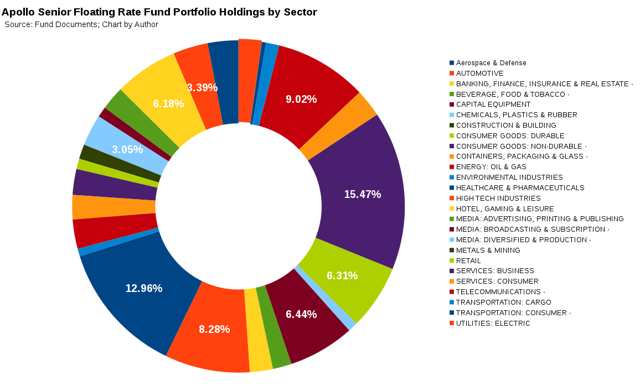
Now, where does this intersect with everyday life or education? Imagine you're learning about economics in school. AFT can serve as a real-world example of how interest rates affect investment strategies and income generation. Understanding floating rate loans can help you grasp concepts like inflation, monetary policy, and risk management. You can even track AFT's performance and compare it to other investment options to see how it fares in different economic climates. Furthermore, learning about AFT can help you understand the types of companies that rely on leveraged loans for their financing needs. This can provide insight into which areas of the economy are more or less sensitive to interest rate changes.
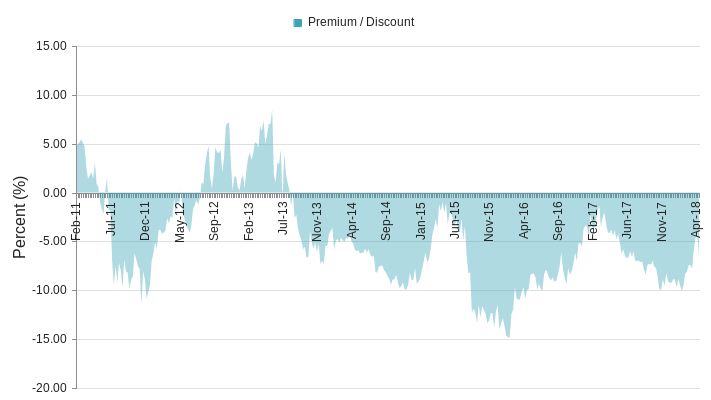
How can you explore this further? Start by simply looking up the Apollo Senior Floating Rate Fund Inc. (AFT) on a financial website like Yahoo Finance or Google Finance. You can see its current price, historical performance, dividend yield, and other key metrics. Read some news articles or analyst reports about the fund to get different perspectives on its investment strategy and outlook. Don't be afraid to look up unfamiliar terms – financial literacy is a journey, not a destination! Consider comparing AFT's performance to other fixed-income investments like bond funds to understand the differences and potential advantages of a floating rate strategy. Remember, investing involves risk, so do your own research and consult with a financial advisor before making any investment decisions. But hopefully, this demystification helps you explore one small corner of the complex world of finance with a bit more confidence.