
An Inner Transition Metal With Six Electrons
Okay, picture this: you're at a party, right? And there's this one person, let's call him Edgar. Edgar is totally in the back, chilling by the snacks. He’s interesting, you can tell. He's got a certain vibe, maybe he's wearing a velvet blazer or something. He’s definitely not a "mainstream" partygoer. Edgar, my friends, is giving me major inner transition metal vibes. Specifically, an inner transition metal with… wait for it… six electrons!
Now, I know what you're thinking. "Six electrons? Who cares?" But stick with me! The world of chemistry is like this crazy party, and the inner transition metals are those intriguing guests hanging out in the f-block. They’re not your typical sodium-chlorine, shake-your-hand-and-move-on elements. These guys are a little… different. And that's what makes them interesting. (Aren’t different people the most interesting anyway?)
So, What's the Big Deal with Inner Transition Metals?
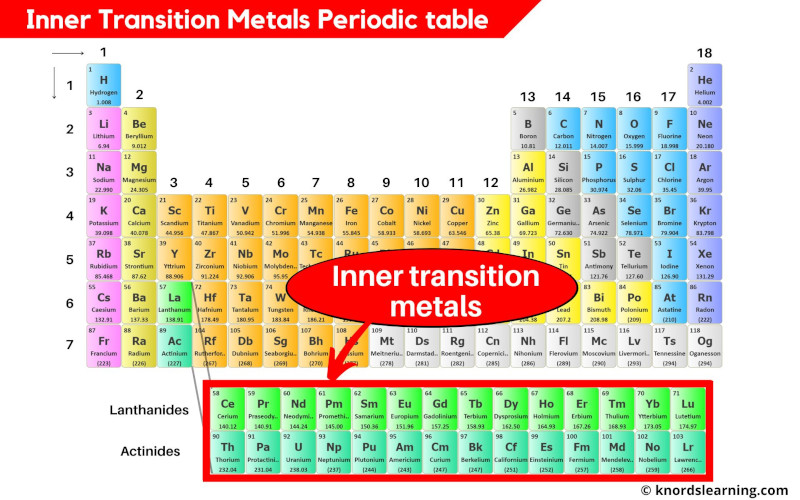
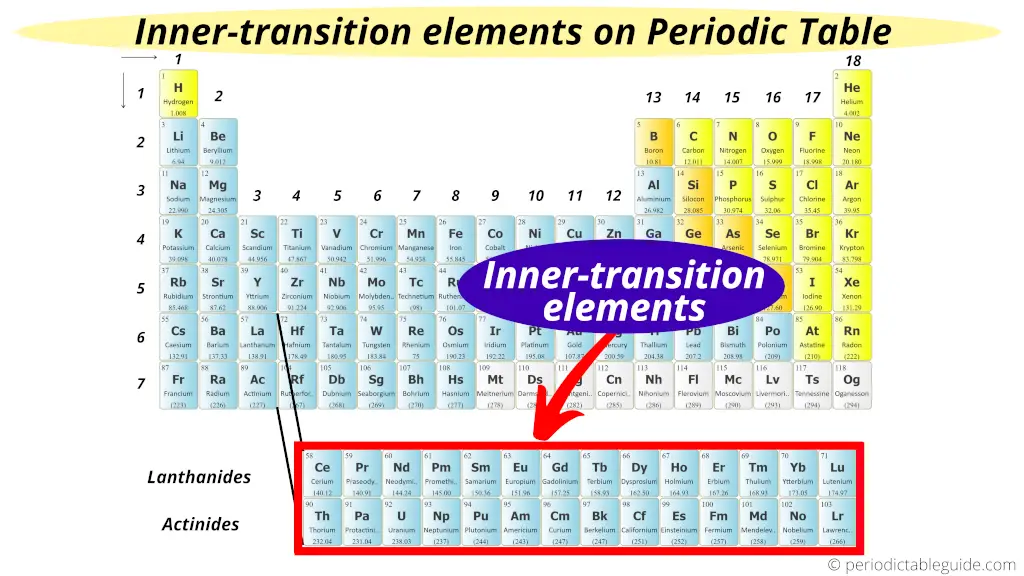
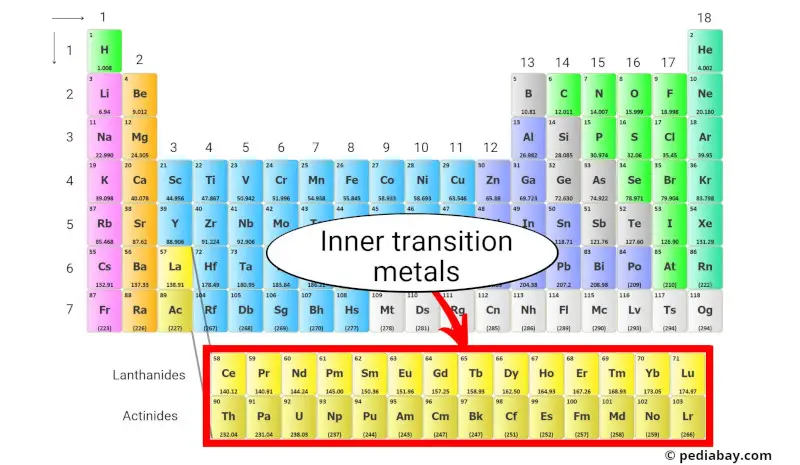
First off, let's remember the periodic table. We've got your main group elements (the popular kids), your transition metals (the pretty cool kids), and then BAM! Down at the bottom are the inner transition metals: the lanthanides and the actinides. Think of them as the "reserved" characters, tucked away in their own little corner. But oh boy are they hiding something.
Must Read
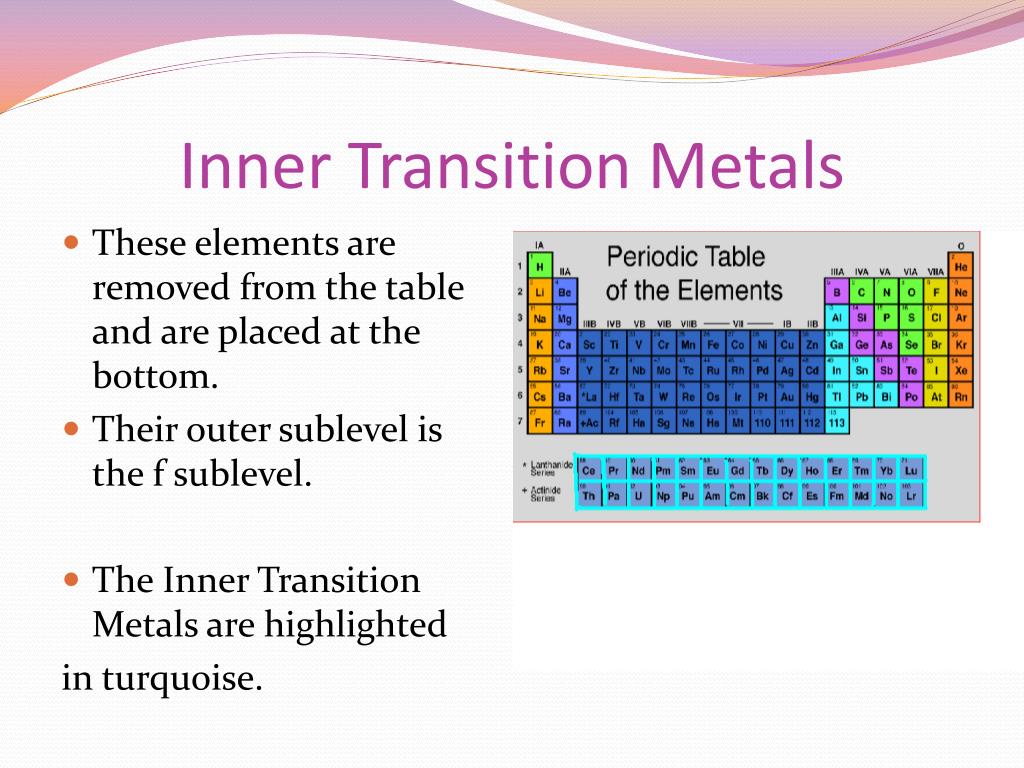
These elements are all about the f-orbitals. Remember those from chemistry class? Probably not, unless you were REALLY into electron configurations. But basically, these orbitals are where the extra electrons hang out. They're complex, shielded, and give the inner transition metals their unique properties. And, our Edgar here (the theoretical element with six f-electrons) would exhibit some very specific traits!
Electron Configuration: Six is the Magic Number (or is it?)
So, we're talking about an inner transition metal with six electrons in its f-orbitals. What does that even mean? Well, the f-orbitals can hold up to 14 electrons (seven orbitals, each holding two electrons, spin up and spin down and all that jazz). Six electrons mean our element is about halfway there. This "halfway" status can lead to some interesting stability issues and unique magnetic properties.
Think of it like this: six is almost a "full house" for half of the f-orbitals. This electron configuration can contribute to a preference for certain oxidation states. It also determines how the element interacts with light and other elements. (Basically, determines its personality, if elements had personalities).
Hypothetical Properties: What Would Our Element Be Like?
Okay, let's get hypothetical! If we had an inner transition metal with six f-electrons, what could it be used for? (Besides just being a cool party trick, of course.)
- Color: Inner transition metals are often colorful because of the way their f-electrons absorb light. This element would likely have a distinct color in its compounds. Maybe a deep purple? Or a vibrant green? We’d have to check the spectroscope!
- Magnetism: Six unpaired f-electrons will likely make this element quite magnetic. Think stronger than your fridge magnets! (Maybe.)
- Reactivity: The reactivity would depend on its oxidation state and the other elements it interacts with. But given the shielding effect of the inner electrons, we could expect this element to not be as reactive as your typical alkali metal, for example.
Of course, it all depends on the specific element we're talking about. Since the lanthanides and actinides are different, each is unique and is going to have slightly different properties. Also, the element's placement on the periodic table will greatly affect its properties! But thinking about the electronic configuration gives us a good starting point.
Why Should You Care?
So, why spend time thinking about an element with six f-electrons? Because it highlights the beauty and complexity of chemistry! Understanding electron configurations and how they influence properties is fundamental to understanding the world around us. From the colors in your phone screen to the reactions that power your body, electron configurations play a critical role.
And who knows? Maybe someday you'll be at a party and encounter someone who reminds you of an inner transition metal with six electrons. You can strike up a conversation about the f-orbitals, and blow their mind! (Or, you know, just enjoy the snacks.)
The point is, even the most seemingly obscure corners of chemistry can be fascinating and relevant. So embrace your inner Edgar, embrace the f-orbitals, and keep exploring the wonderful world of chemistry! You never know what you might discover.
