An Element Which Can Contribute To Weld Cracking Is

Ever tried building something – a Lego castle, maybe, or even just assembling that infernal flat-pack furniture from… well, you know the place? You get almost to the end, feeling all smug and accomplished, and then – crack! Something goes wrong. A piece breaks, a screw strips, and your dreams of a majestic (or at least functional) creation crumble before your very eyes.
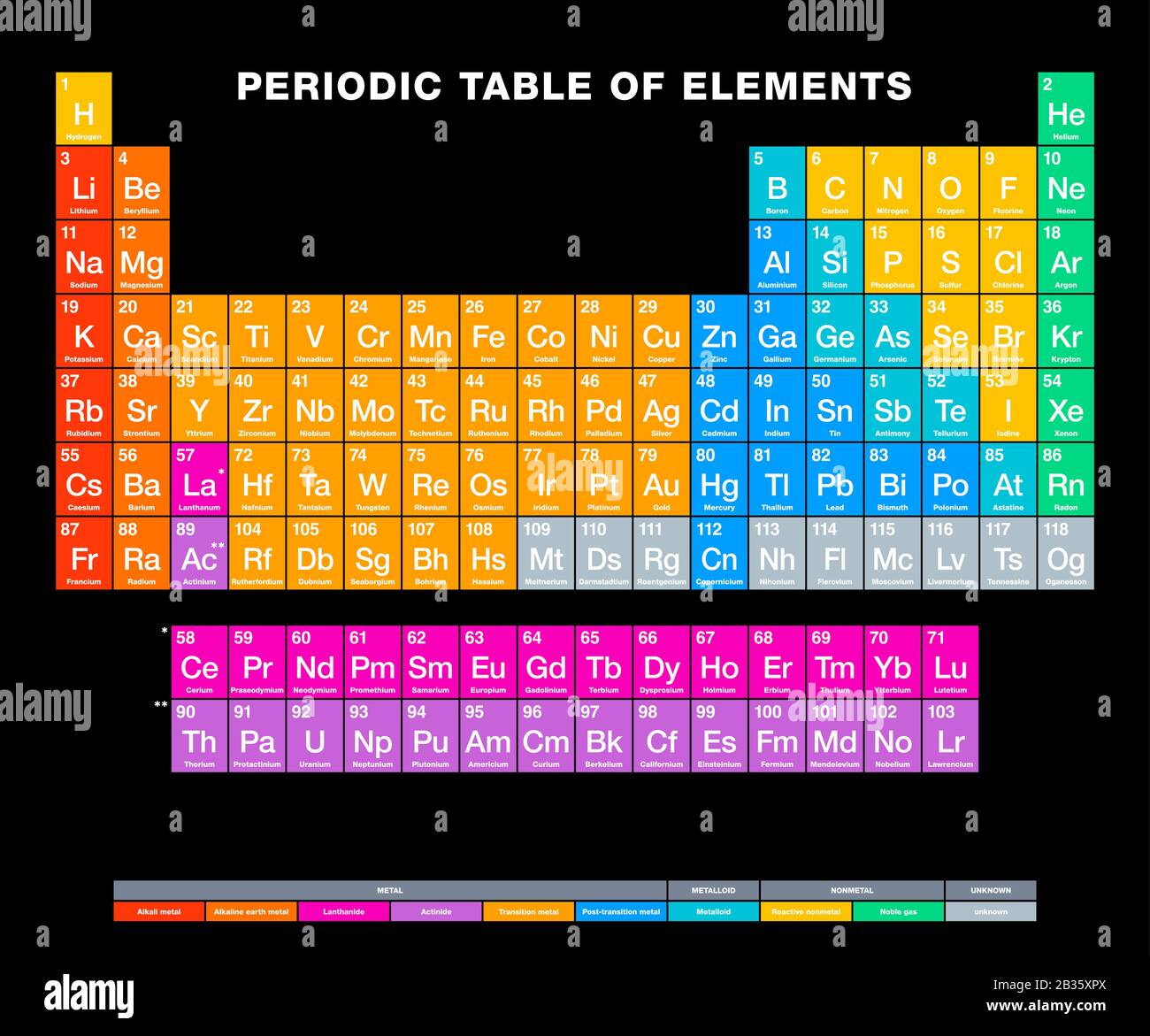
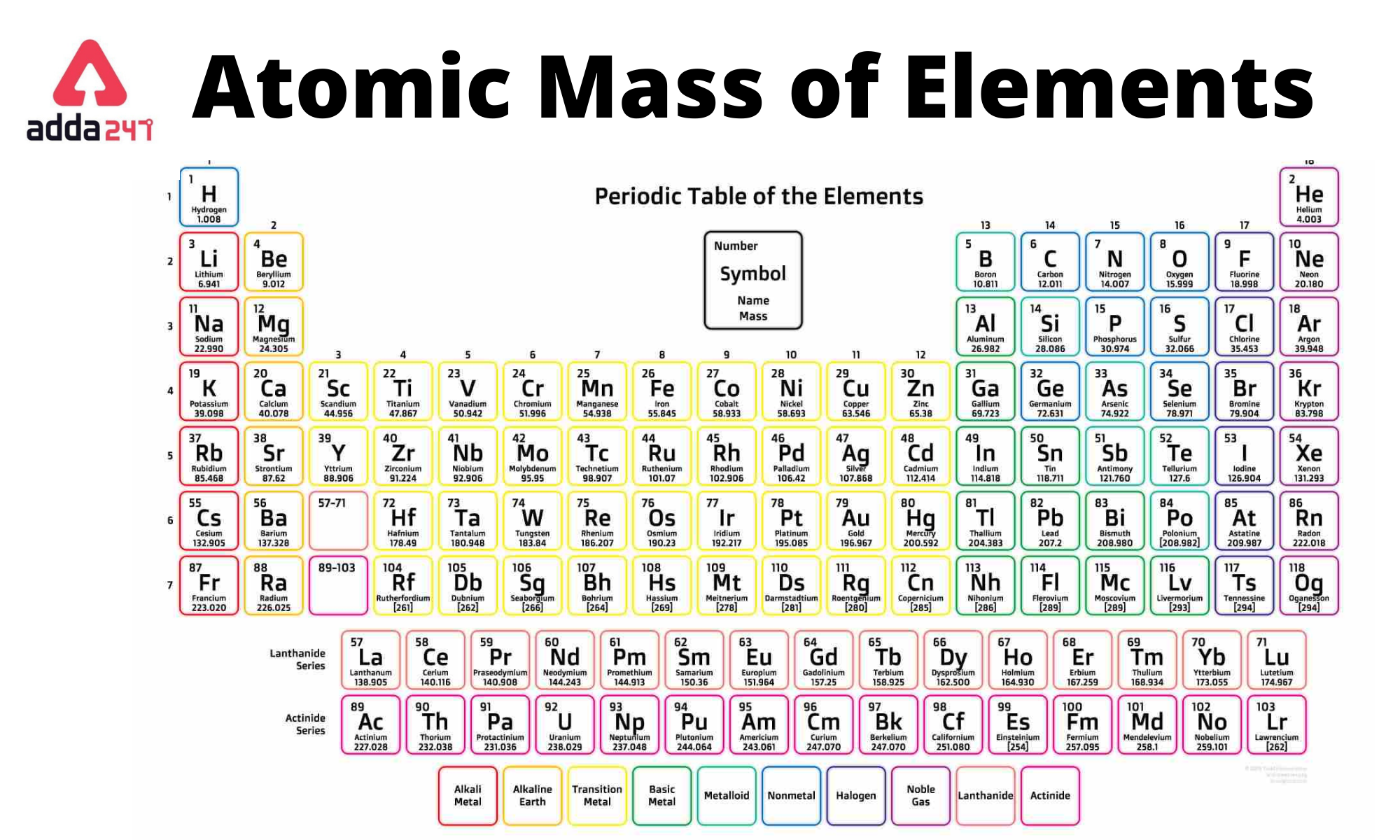
Welding, in a way, is a lot like that. You're fusing pieces of metal together, trying to create a strong, lasting bond. But just like with that Lego castle, all sorts of things can go sideways. And one of the sneakiest culprits behind weld cracking? Believe it or not, it's often hydrogen. Yep, that humble element that's also in water and…well, lots of things!
Think of it like this: Imagine inviting a bunch of friends over for a potluck. Everyone's supposed to bring something delicious and complementary. But then one guy shows up with a dish that just...doesn't mesh. Maybe it's a super spicy curry that overpowers everything else, or a dish with ingredients someone's allergic to. Hydrogen in welding can be a bit like that annoying dish at the potluck.
Must Read
Hydrogen's Dirty Little Secret: Embrittlement
The problem with hydrogen isn't that it's inherently bad. It’s just that it's a bit of a diva when it comes to metal. When hydrogen sneaks into the weld pool (the molten metal you're creating), it can cause a phenomenon called hydrogen embrittlement. Sounds scary, right? Well, it kind of is.
Basically, the hydrogen atoms are small and sneaky. They wiggle their way into the metal's grain structure, making it more brittle and susceptible to cracking, especially under stress. Imagine trying to bend a perfectly good, strong piece of steel, but someone has secretly filed tiny little grooves all along it. That's sort of what hydrogen does – it creates microscopic weaknesses.
It's like that time you tried to save a few bucks on cheap chocolate chips for your cookies. They melted funny, didn't they? And the cookies just weren’t quite right. Hydrogen-affected welds are kinda like those cookies – they might look okay on the surface, but they're hiding a weakness inside.
Where Does This Hydrogen Come From, Anyway?
Good question! Hydrogen can sneak into the weld from a variety of sources. One common source is moisture. Think humid air, damp welding rods, or even just a dirty workpiece. That's why welders are often meticulous about keeping their materials clean and dry.
It's like making sure your kitchen counters are spotless before you start baking. You wouldn't want a rogue crumb of onion in your chocolate cake, would you? (Unless you're into that sort of thing, I guess. No judgment.)
/periodic-table-of-the-elements-2017--illustration-769723031-5ac10eb6a9d4f9003769784d.jpg)
Another source can be the welding process itself. Some welding processes, like shielded metal arc welding (SMAW), can introduce hydrogen if the electrode coating isn't properly stored or dried.
Fighting the Hydrogen Menace
So, what can be done to prevent hydrogen-induced cracking? Well, thankfully, welders have a few tricks up their sleeves. One common technique is to use low-hydrogen electrodes. These electrodes are specially designed to minimize the amount of hydrogen introduced into the weld.

Another important step is to preheat the metal before welding. This helps to drive off any moisture that might be present. Post-weld heat treatment can also be used to diffuse hydrogen out of the weld metal after welding.
Think of it as giving your weld a nice, warm sauna after a long, hard day. It helps it relax and release any pent-up stress (and hydrogen!).
Ultimately, preventing hydrogen-induced cracking is all about being meticulous and paying attention to detail. It's about understanding the risks and taking the necessary precautions. Just like building a sturdy Lego castle (or assembling that infernal flat-pack furniture!), a good weld requires careful planning, the right materials, and a healthy dose of patience. And maybe a little bit of luck… especially with that furniture.