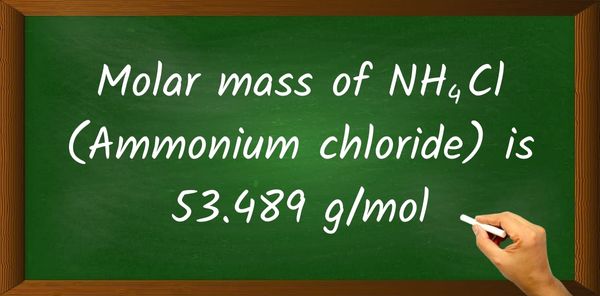
Ammonium Chloride Molar Mass
Okay, maybe "ammonium chloride molar mass" isn't exactly trending on social media. But stick with me! Behind that slightly intimidating scientific term lies a secret weapon, not just for chemistry students, but for artists, hobbyists, and anyone who loves a bit of hands-on experimentation. We're talking about understanding this seemingly simple calculation and how it unlocks a world of possibilities, particularly in the realm of homemade chemistry and creative projects.
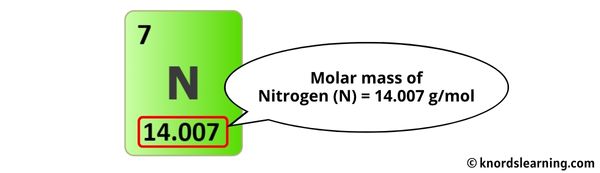
So, why should you, a non-chemist, care about the molar mass of ammonium chloride (NH₄Cl)? It's the key to accurate measurements when you're whipping up all sorts of cool things. Think about it: if you're trying to grow crystals, create etching solutions for metalwork, or even develop certain kinds of homemade cleaners, precise ratios of ingredients are essential. Knowing the molar mass allows you to translate grams into moles, which is the language of chemical reactions. Without it, you're essentially guessing – and guessing doesn't usually lead to spectacular results.
For artists, understanding ammonium chloride's properties (informed by knowing its molar mass for correct dilution) opens doors to unique etching techniques. Imagine creating intricate patterns on copper or brass using an etching solution you've carefully formulated yourself! Hobbyists who enjoy electronics repair might use ammonium chloride in solder fluxes, ensuring clean and effective connections. Even casual learners who are simply curious about the world around them can find joy in growing beautiful ammonium chloride crystals. They can be grown in diverse shapes or be dyed to make interesting colors. It all starts with understanding the fundamentals of molar mass and how it impacts your experiments.
Must Read
Examples abound! Consider the art of ferric chloride etching, a popular method for creating printed circuit boards (PCBs). Ferric chloride often contains ammonium chloride to improve the quality of etching. Another example can be found in creating homemade smoke effects for photography or stage productions. Though not typically using pure ammonium chloride directly, understanding its properties and similar compounds contributes to a safer and more controlled outcome.
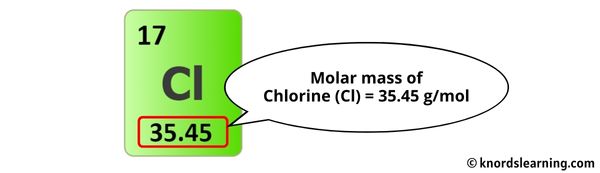
Want to try this at home? Here are a few tips: First, always prioritize safety. Wear gloves and eye protection when handling any chemical, including ammonium chloride. Second, start small. Don't try to replicate a complex experiment on your first attempt. Begin with a simple crystal-growing project. You can find plenty of tutorials online. Third, double-check your calculations. Use a reliable online molar mass calculator to ensure accuracy. A small mistake in your calculations can lead to unexpected (and potentially undesirable) results. Finally, document everything! Keep a detailed record of your experiments, including the amounts of each ingredient you used, your observations, and any changes you made along the way.
Ultimately, understanding ammonium chloride molar mass isn't just about numbers and equations. It's about empowering yourself to create, explore, and understand the world around you. It's about unlocking a deeper level of engagement with your hobbies and passions. It can even make your daily chores, such as making household cleaners, more fulfilling! There's a unique satisfaction in knowing that you're not just blindly following a recipe, but that you understand the underlying chemistry behind it all. And that, my friends, is incredibly enjoyable.