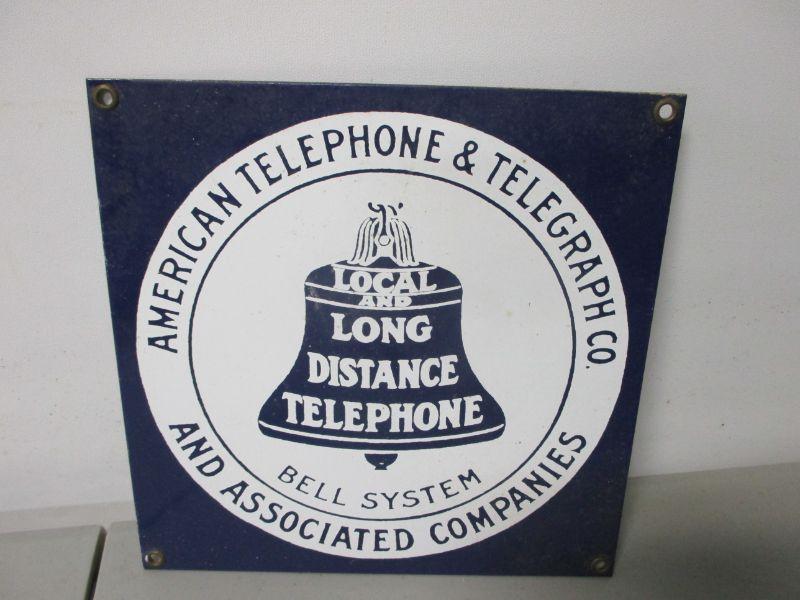
American Telephone And Telegraph Sign
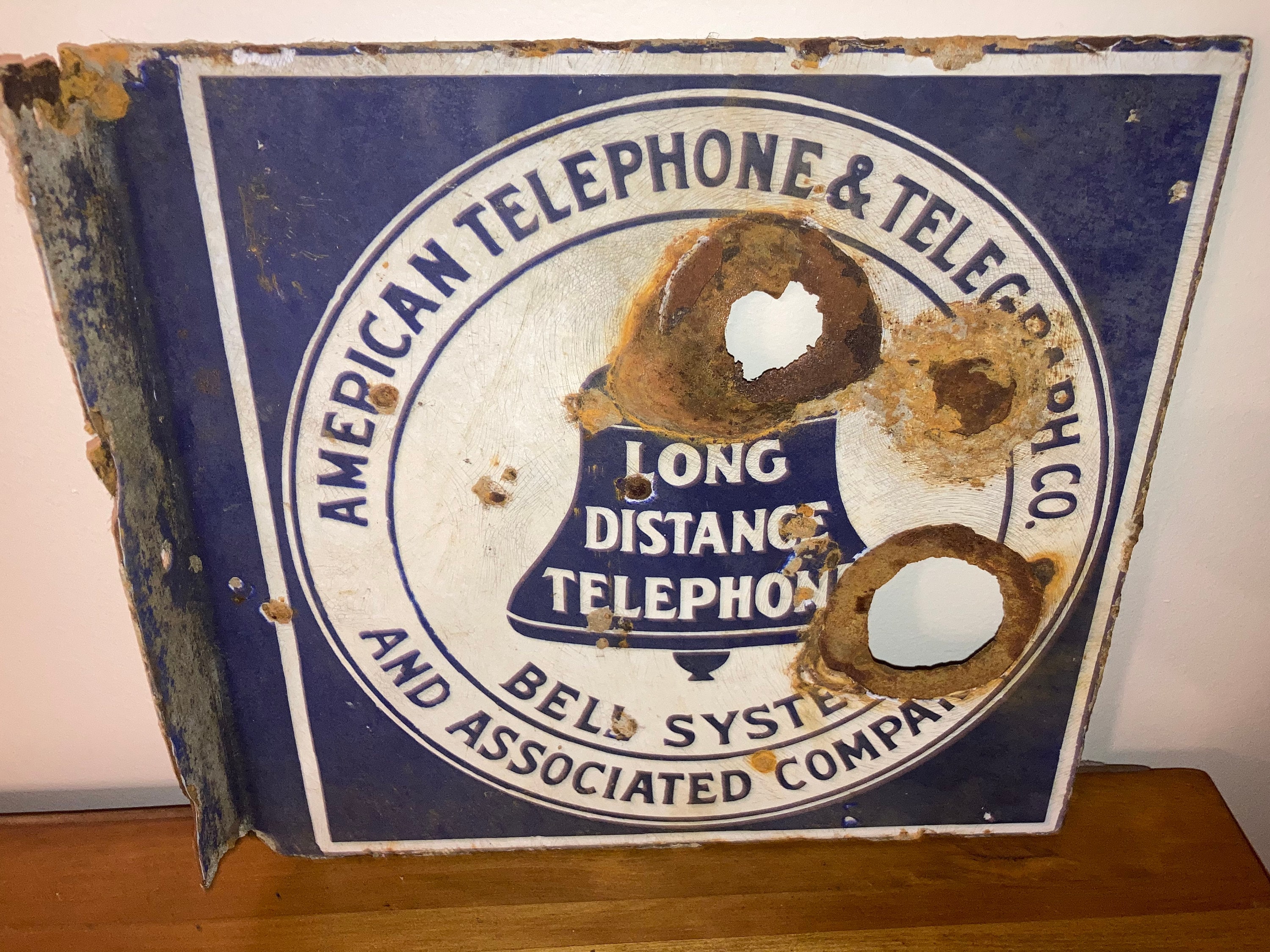
Alright, let's chat about something you've probably seen a million times without really seeing it: the AT&T sign. You know the one. That blue globe, often with stripes, sometimes just the letters. It’s like that one friendly, slightly awkward relative who shows up at every single family gathering, from your grandma’s 90th to your cousin’s baby shower. Always there, always connecting something.
For most of us, that sign isn't just a corporate logo; it's a quiet, ever-present observer of our lives. It’s been there through your first excruciatingly long phone call with a crush, whispered into a corded receiver that stretched precariously from the kitchen wall. It was there when you finally got your own phone line – heaven! – and it’s still there on the side of your latest smartphone box. It’s seen it all, man.
The Evolution of a Connection
Remember the "Ma Bell" days? Before the big breakup, AT&T was basically the phone company overlord, a benevolent, albeit monolithic, deity of dialing tones. Back then, seeing the sign usually meant you were either at a phone booth (remember those?) or staring at your rotary phone, wondering if you had enough fingers for the "0." The sign represented the connection, often a very literal, copper-wired one.
Must Read
It was a simpler time, when making a long-distance call felt like launching a rocket to the moon. You'd check the rates, maybe even call after 9 PM to save a few bucks. The AT&T sign, in those days, was less a logo and more a beacon, promising that your voice could somehow, magically, travel hundreds of miles to Aunt Carol’s ear.
Fast forward a bit, and the sign started appearing on things that hummed and blinked. Modems, for instance! Oh, the sweet symphony of dial-up internet. That screeching, squawking cacophony that heralded the arrival of the World Wide Web. You'd see the AT&T logo and mentally prepare yourself for a five-minute wait just to see if your email had arrived. Talk about patience, right? It makes you chuckle now, but back then, it was cutting-edge!

From Wires to Wireless Wonders
Then came the wireless revolution, and suddenly, the AT&T sign wasn't just on buildings or service trucks; it was on the tiny screens we carried in our pockets. From flip phones that felt like bricks to the sleek smartphones of today, that blue globe adapted. It’s like that super-fit grandpa who learned to skateboard and now gives you tips on your ollie. Who saw that coming?
Think about it: that same basic symbol has spanned generations of communication. From party lines where you hoped Mrs. Henderson wouldn't pick up and listen in, to video calls where your cat inevitably walks across the keyboard during an important meeting. The sign has been a silent witness to our evolving habits, our urgent messages, our silly memes, and our heartfelt "I love you"s.
It’s kind of comforting, isn’t it? In a world where tech changes faster than your Wi-Fi password, the AT&T sign remains a constant. You see it on a utility pole, on an office building downtown, or on the tiny icon next to your signal bars, and there's a certain familiarity. It’s a subtle nod to the fact that, no matter how we connect, the fundamental desire to reach out and touch someone (metaphorically, of course) stays the same.
So next time you spot that blue globe, take a moment. Give it a silent nod. It's more than just a company logo; it's a little slice of our collective communication history, still standing, still connecting, and probably still making sure your grandma can reach you for her weekly check-in. And for that, we can all smile and say, "Thanks, old friend."