Alternative Electricity Generation For The Home
Let's face it, electricity. We use it for everything! From keeping our food cold to binging our favorite shows, we're pretty reliant on the grid. But what if you could generate some (or even all!) of your own electricity? Sounds like something out of a sci-fi movie, right? Well, it's not! Exploring alternative energy generation for your home is not only incredibly practical but also surprisingly fun. It's about taking control of your energy consumption, reducing your carbon footprint, and maybe even saving some serious cash along the way.
The purpose of generating your own electricity is pretty straightforward: to reduce your dependence on traditional power sources. The benefits, however, are multifaceted. Think about it: you're potentially lowering your electricity bills, contributing to a greener environment by using renewable resources, and increasing your home's energy independence. In times of power outages, having a backup power source can be a lifesaver, keeping essential appliances running when everyone else is in the dark. Plus, there's a certain satisfaction in knowing you're contributing to a more sustainable future. It's empowering!
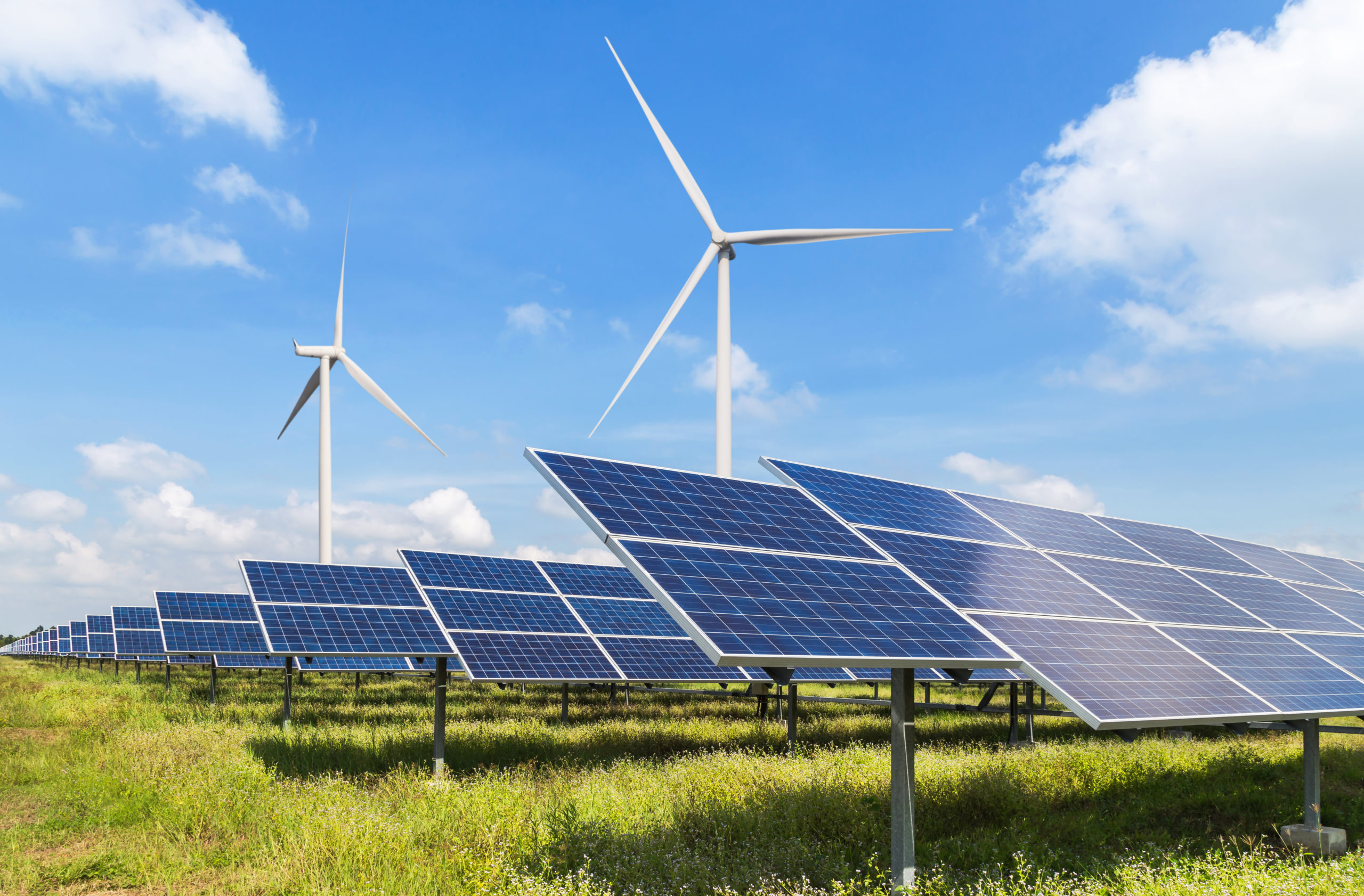
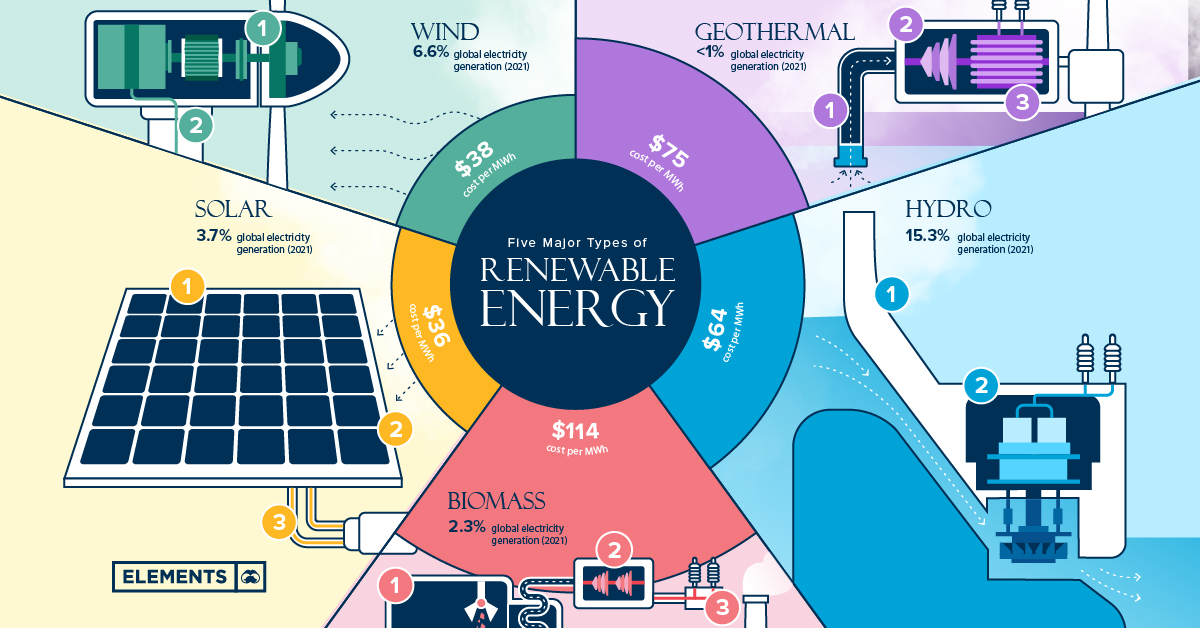
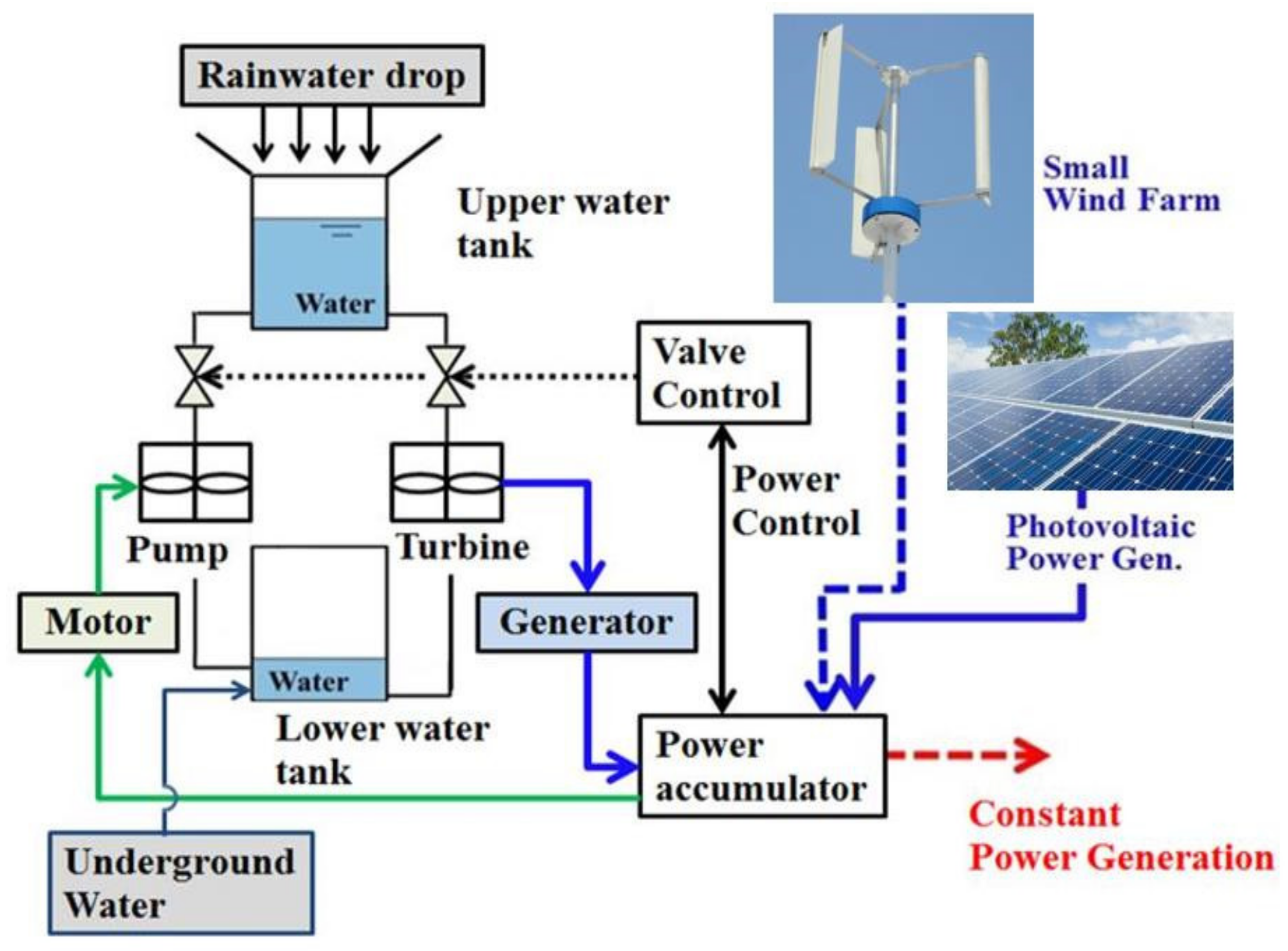
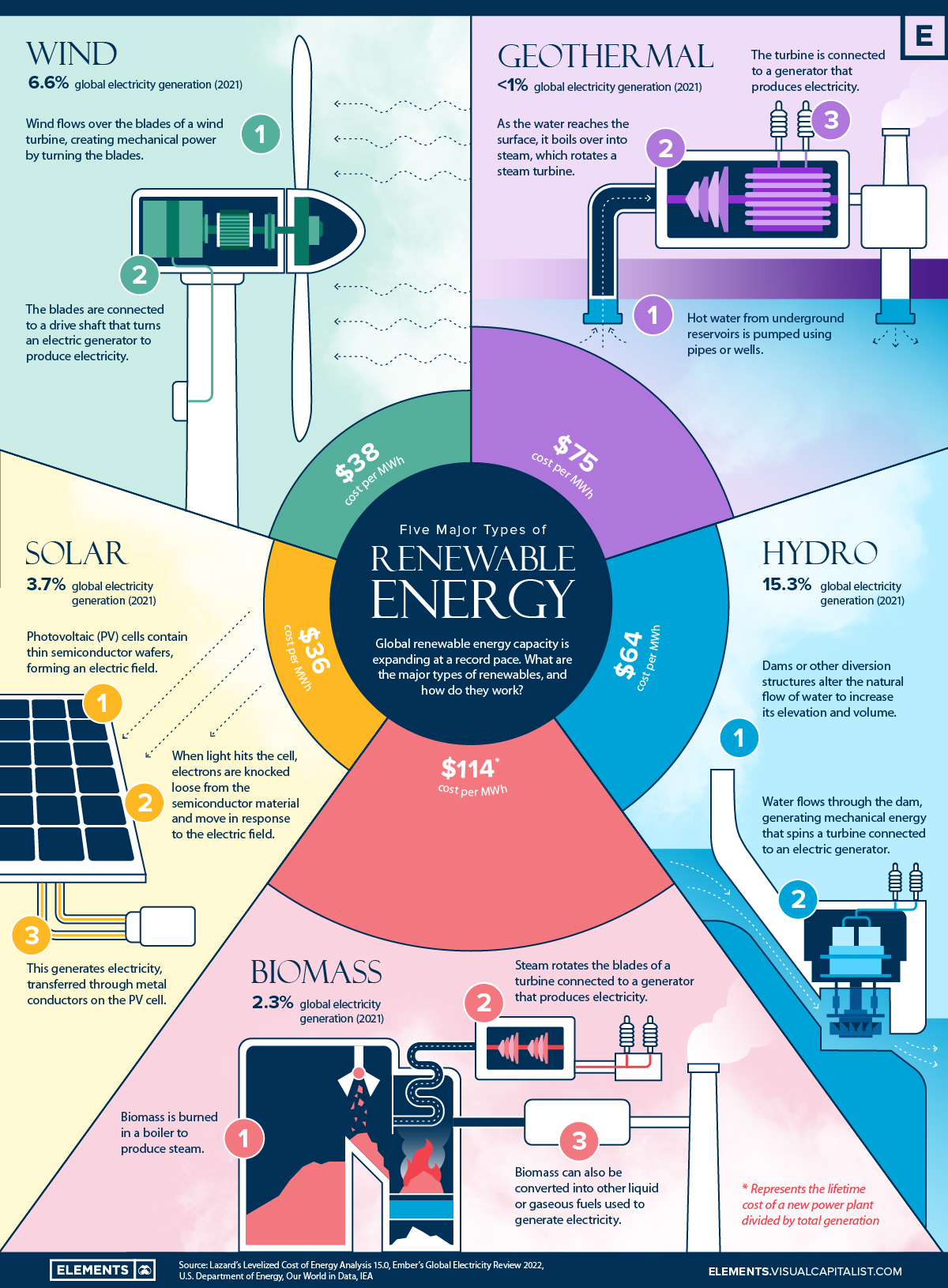
So, what are some of these "alternative" methods? Let's start with the most popular: solar panels. These photovoltaic panels capture sunlight and convert it into electricity. They're a significant initial investment, but with government incentives and long-term savings, they often pay for themselves over time. Plus, they look pretty cool! Imagine impressing your neighbors with your commitment to sustainability. Another option is wind power. While large-scale wind turbines are more common, smaller home wind turbines can be a viable option, especially if you live in a windy area. They might require a bit more space and planning, but the energy generated can be substantial. Just picture yourself harnessing the power of the wind!
Must Read
Beyond solar and wind, there are some other, less common but still interesting, options. Micro-hydro power, for example, uses the energy of flowing water to generate electricity. If you have a stream or river on your property, this could be a viable option. You'd need to investigate local regulations and permits, but the potential is there. Finally, consider geothermal energy. This involves tapping into the earth's constant temperature to heat or cool your home, reducing your reliance on electricity for climate control. While not direct electricity generation, it significantly reduces your overall energy consumption, contributing to a more sustainable lifestyle. Each of these methods comes with its own set of challenges and rewards, so careful research is key.
Ultimately, exploring alternative electricity generation for your home is an investment in your future, and the future of the planet. It's a chance to become more self-sufficient, reduce your environmental impact, and potentially save money. So, do your research, explore your options, and get ready to harness the power of the sun, wind, water, or even the earth itself! Who knows, you might just become the envy of your neighborhood...and the hero of your energy bill!