All Fire Alarms Going Off
Ever been caught off guard by that sudden, jarring symphony of sound? One moment, you're absorbed in your work or enjoying a quiet coffee, and the next, a cacophony erupts, signaling one thing: all the fire alarms are going off. It’s a collective experience we’ve all shared, from school drills to late-night apartment alarms, often met with a mix of mild irritation and immediate concern. But beyond the initial shock and the immediate scramble, have you ever paused to wonder about the fascinating system behind this synchronized chaos? Why does every single alarm join the chorus, rather than just the one nearest to the initial "event"? Let's pull back the curtain on this ubiquitous safety feature and explore why this coordinated alert system is actually a brilliantly designed guardian, silently standing watch over our everyday spaces.
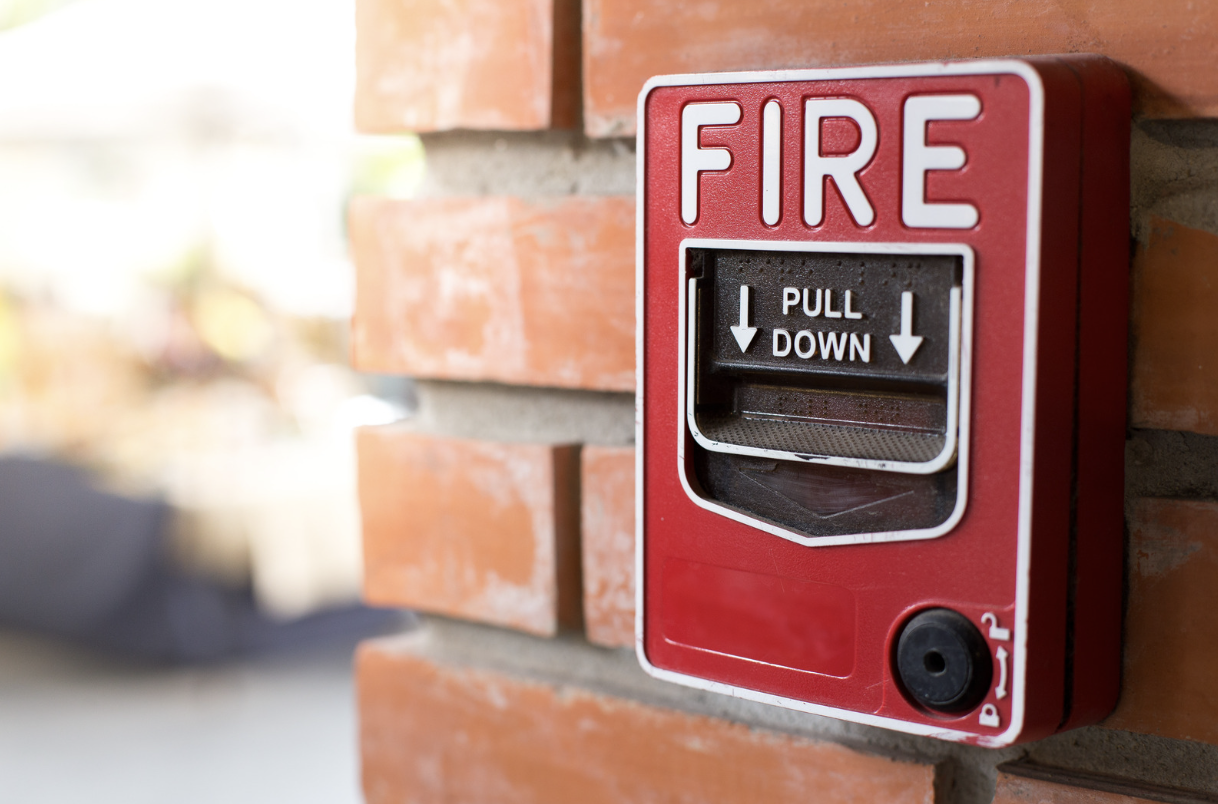
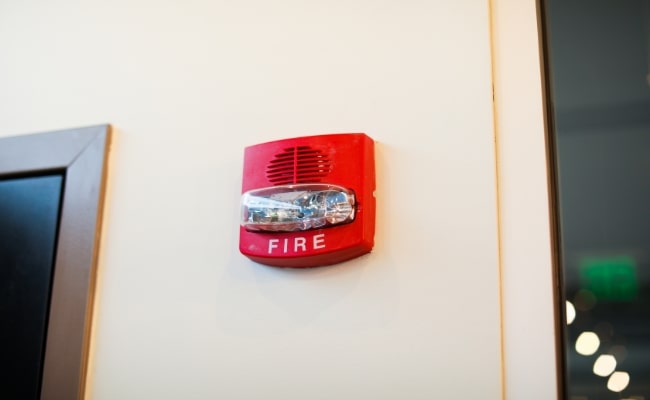
At its core, the purpose of all fire alarms going off simultaneously is beautifully simple: universal awareness and immediate action. Imagine if only the smoke detector in the affected room blared. People just a floor above or a few corridors away might remain blissfully unaware until it's too late, potentially putting countless lives at risk. When the system is triggered, whether by smoke, heat, or a manual pull station, it instantly communicates across the entire building, ensuring that everyone is alerted at the exact same moment. This isn't just about making noise; it’s about initiating a precise, pre-determined safety protocol that guides occupants to safety. The benefit is profound: it buys crucial seconds, minimizes confusion, and directs people towards safe evacuation routes and assembly points, ultimately saving lives and preventing greater property damage. It’s a coordinated dance of protection, designed for maximum efficiency in a potential crisis.
We encounter these full-system activations in various aspects of our daily lives, often without a second thought. Think of the regular fire drills in schools and workplaces. These aren’t just inconvenient interruptions; they are vital educational tools that teach us muscle memory for safety. Students learn to evacuate calmly and find their designated assembly points, while employees practice procedures that could one day be life-saving. In larger public venues like hospitals, shopping malls, or airports, where thousands of people might be present, the system’s ability to activate every alarm ensures that even in bustling, unfamiliar environments, no one is left behind or unaware of the need to evacuate. It’s a testament to thoughtful planning, ensuring that the same message of urgency reaches everyone, from the top floor to the basement, fostering a collective, safe response that is crucial for community well-being.
Must Read
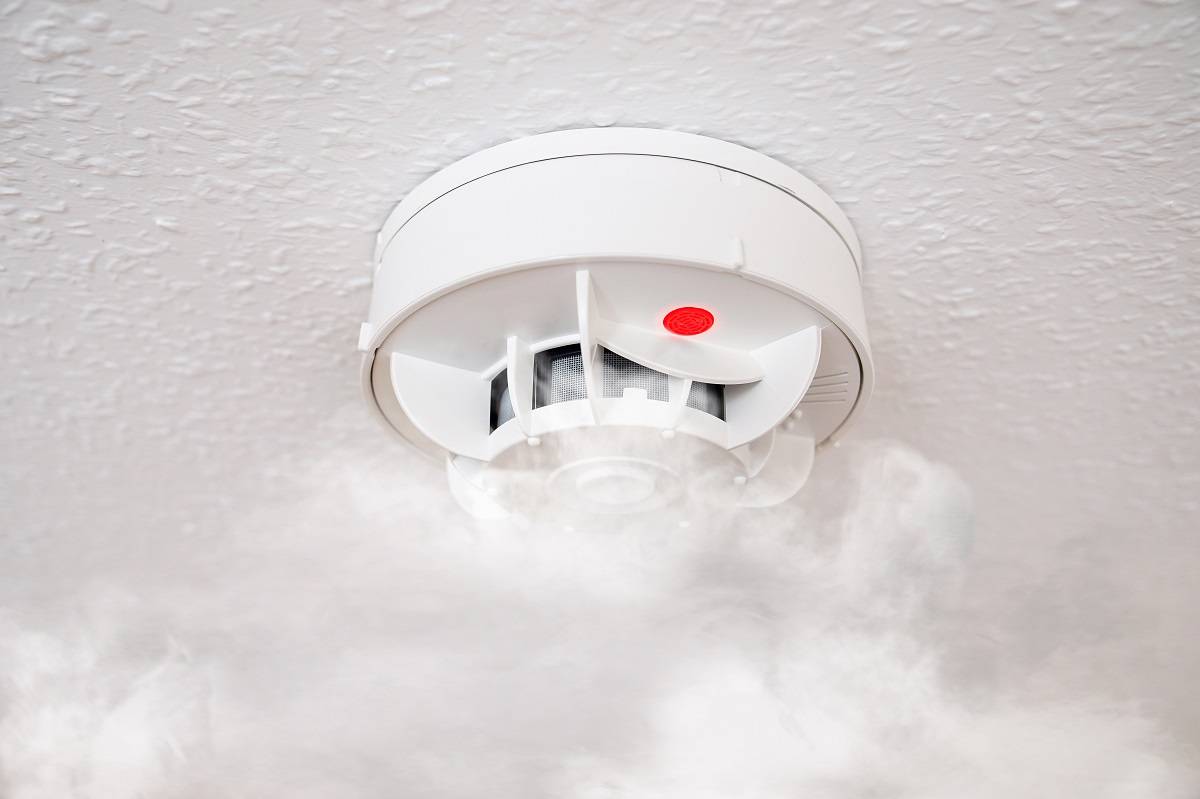
So, how can we engage with this essential system beyond just reacting to its blare? Firstly, take a moment to understand your own immediate environment. Do you know where the nearest fire exits are in your apartment building, office, or even your favorite coffee shop? Have you identified your designated assembly point outside? Participating seriously in drills, rather than just seeing them as a minor inconvenience, can significantly sharpen your preparedness and reaction time. At home, consider having a family escape plan and regularly testing your individual smoke detectors, even if they aren't part of a larger networked system. And perhaps, next time you hear that familiar sound, instead of just annoyance, a spark of curiosity might ignite. Appreciate the intricate engineering and the thoughtful design behind a system dedicated to keeping us all safe. It’s a powerful, albeit loud, reminder that sometimes, the most important signals are the ones that demand our immediate attention.