
Alkaline Or Lithium Batteries For Smoke Detectors

Alright, picture this: You’re snuggled up in bed, maybe it’s 2 AM, the house is utterly silent. You're drifting off into blissful sleep, probably dreaming about something amazing like unlimited pizza or finally organizing your chaotic junk drawer. Then it happens. Chirp. A tiny, seemingly innocuous sound that instantly jolts you awake. You wait. Nothing. You close your eyes. Chirp. Oh, there it is. The dreaded smoke detector low-battery alarm. You know the one. That persistent little chirp, the universal sign of 'your house is about to catch fire... or maybe just needs a battery.' And let’s be honest, it always seems to happen in the dead of night, doesn't it?
I’ve been there, you’ve been there, we've all been there. Groping around in the dark for a flashlight, trying to remember which detector is the culprit (it's always the one on the 20-foot ceiling, isn't it?), and then realizing you don’t even have the right size battery. Cue the frustration, the ladder, and the groggy stumble to the nearest convenience store in your pajamas (don't judge, safety first!).
This delightful recurring nightmare often brings up a crucial question: What kind of battery should you even be putting in those things? We’re talking about smoke detectors, folks, the unsung heroes protecting our homes. And when it comes to their power source, you've generally got two main contenders battling it out in the battery aisle: the good old alkaline and the sleek, often pricier lithium. But which one is truly better for keeping your peace of mind (and your sleep) intact?
Must Read
Alkaline Batteries: The Familiar Friend
Let's start with the classic. Alkaline batteries are what most of us grew up with. They’re ubiquitous, affordable, and you can find them pretty much anywhere, from supermarkets to gas stations. You probably already have a drawer full of them, right?
The Good:

- Cost-effective upfront: They're definitely cheaper to buy initially.
- Readily available: No special trip needed; they're everywhere.
The Not-So-Good:
- Shorter lifespan: In a smoke detector, you're typically looking at replacing them once a year, maybe every six months if you're unlucky (and those things love to suck power when you least expect it).
- "The Chirp": This is their signature move. When they start to die, they don't go gracefully. They go with that annoying chirp that becomes your nemesis.
- Leakage risk: Over time, especially as they get old, alkaline batteries can be prone to leaking corrosive fluid, which can damage the detector itself. Not ideal for a critical safety device!
- Performance in extremes: They don't love super hot or super cold environments, which might be a factor if you have detectors in unheated garages or attics.
So, while they're the go-to for many household gadgets, their annual replacement cycle and the potential for a leaky mess can be a bit of a headache for something as important as a smoke detector. You really want to "set it and forget it" with these, don't you?
Lithium Batteries: The Long-Haul Champion
Enter the lithium battery. These guys are often seen as the premium option, and for good reason. They're designed for endurance and consistent performance.
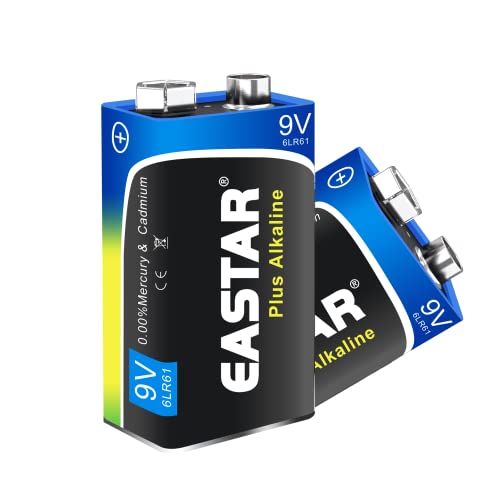
The Good:
- Longer lifespan: This is the big one! Many lithium 9V batteries boast a 10-year lifespan. Think about that for a second. Ten years! That often matches the recommended lifespan of the smoke detector itself. Meaning, in a perfect world, you replace the battery when you replace the entire unit. Talk about convenience!
- Consistent power output: They maintain a more stable voltage throughout their life, which means less risk of that annoying low-battery chirp creeping up on you prematurely.
- Better in extreme temperatures: Lithium batteries handle wider temperature ranges better than alkaline, making them a more reliable choice for less-temperate parts of your home.
- Reduced leakage risk: They are far less prone to leaking than alkaline batteries, protecting your valuable smoke detector from damage.
The Not-So-Good:

- Higher upfront cost: Yes, they are significantly more expensive than alkaline batteries. A single lithium 9V can cost several times what an alkaline one does.
- Availability: While becoming more common, you might not find them in every corner store, especially the specific 9V size.
So, while your wallet might wince a little at the initial purchase, the promise of not having to touch that detector for a decade is mighty tempting, isn't it?
The Verdict: Cost vs. Convenience (and Safety!)
Here’s the deal: For a smoke detector, lithium batteries are generally the superior choice. Their 10-year life often aligns with the detector's own recommended replacement schedule, offering unparalleled peace of mind. No more 2 AM chirps (well, from the battery, at least!). No more annual ladder dances. And less worry about corrosive leaks damaging your vital safety equipment.
However, I get it. The cost difference is real. If you're on a tight budget and have multiple detectors, outfitting them all with lithium could be a significant expense. In that case, alkaline batteries are still a valid option, provided you are diligent about checking and replacing them annually. Mark it on your calendar, set a reminder, tie a string around your finger – whatever it takes!
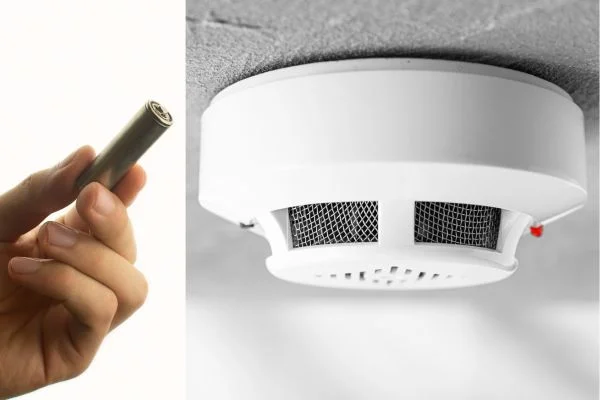
A quick tip: Always check your smoke detector's manual! Some manufacturers actually specify which type of battery is recommended or required for optimal performance and to maintain its warranty. It's always best to follow their advice, my friend.
Ultimately, whether you go alkaline or lithium, the most crucial thing is that your smoke detectors are always functional. Test them monthly (seriously, just push the button!), and replace those batteries whenever they start chirping – or ideally, before they even get to that point. Because while the 2 AM battery change is a pain, what's truly terrifying is a detector that fails when you need it most.
So, what’s your go-to battery choice? Do you brave the annual chirp or invest in a decade of silence? Let me know!