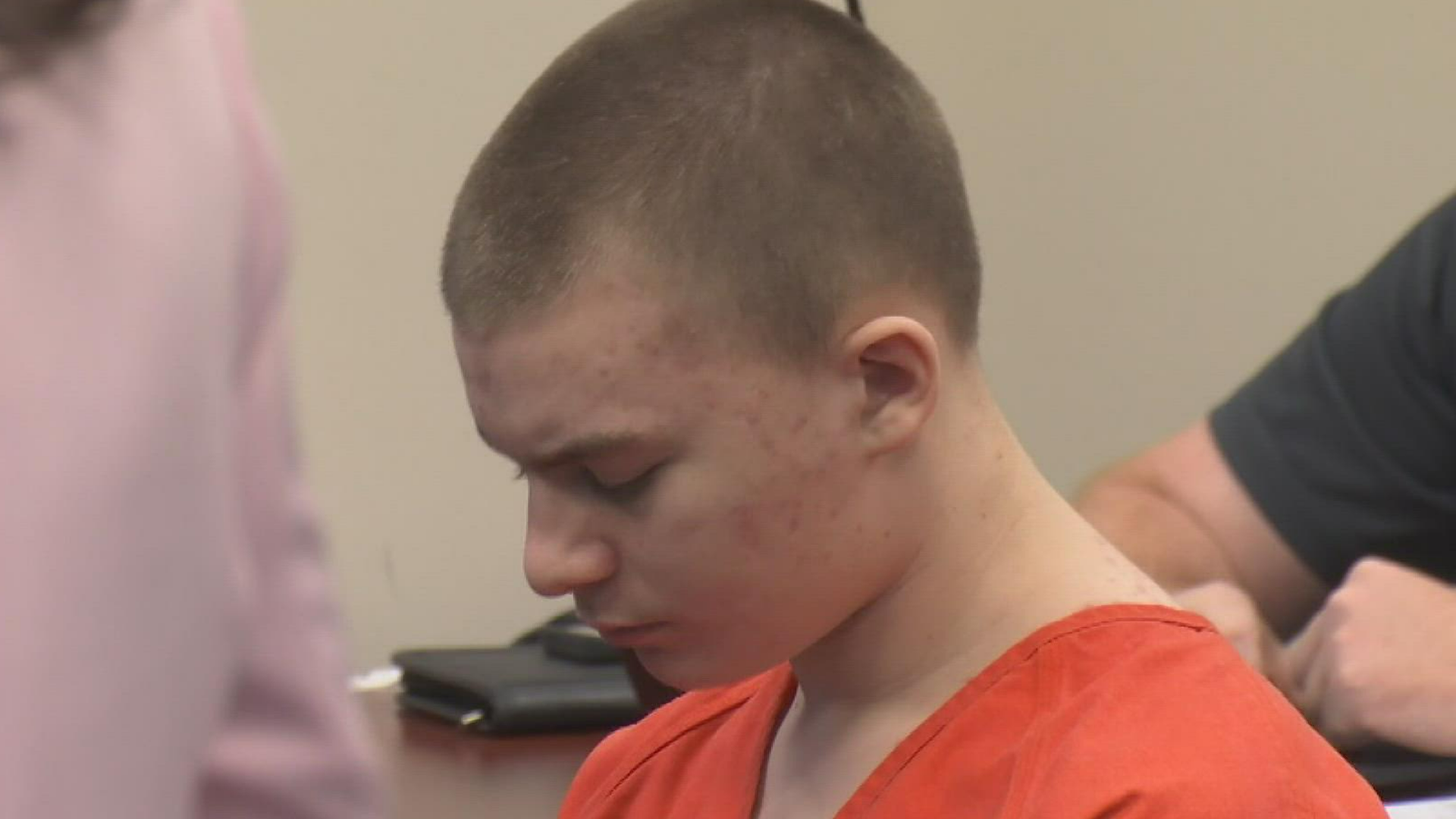
Aiden Fucci St Johns County

Alright, let's talk about Aiden Fucci and St. Johns County. I know, I know, it's not exactly a "fun" topic in the traditional sense. But sometimes, understanding tough situations helps us learn, reflect, and hopefully, prevent similar tragedies in the future. It's a heavy subject, but we'll approach it with sensitivity and a focus on what can be gleaned from it.
So, who is this for? Well, for beginners who haven't followed the news, this is about understanding the basic facts of a deeply disturbing case. For families, it's a stark reminder of the importance of open communication with your children, being aware of their online activities, and fostering a safe environment where they feel comfortable sharing their struggles. For hobbyists interested in true crime, or those studying the criminal justice system, it represents a case study in adolescent behavior, potential failures of the system, and the devastating impact of violence on a community.
The story, in short, revolves around the tragic murder of Tristyn Bailey in St. Johns County, Florida, in 2021. Aiden Fucci, then a 14-year-old classmate, was found guilty of her murder. The details are, frankly, horrific, involving a significant number of stab wounds and a chilling lack of remorse in the immediate aftermath. What makes this case particularly unsettling is the age of both the victim and the perpetrator, highlighting the potential for extreme violence even among young people.
Must Read
Think of this case in contrast to other high-profile cases involving juveniles. Sometimes you see scenarios involving neglect or abuse that might contribute to such actions. Other times, there are documented histories of mental health issues. The Fucci case, at least as it's been portrayed in the media, presents a less clear-cut picture, making it all the more unsettling. There's a lot of discussion about the influence of violent media, the importance of parental involvement, and the early identification of potential behavioral problems.
:quality(70)/cloudfront-us-east-1.images.arcpublishing.com/cmg/7X6MFA6A7JAN3LBFJAFZ4BNXUA.png)
Practical Tips for Getting Started (and Staying Safe):
- Stay Informed (But Mindfully): Follow reputable news sources to understand the facts of the case without sensationalism.
- Engage in Open Conversations: Talk to your children about online safety, healthy relationships, and the importance of reporting any troubling behavior they witness.
- Seek Professional Help: If you're concerned about your child's mental health or behavior, don't hesitate to seek guidance from a therapist or counselor.
- Monitor Online Activity (Respectfully): While privacy is important, be aware of your child's online activity and who they're interacting with. Consider using parental control software.
- Be a Role Model: Demonstrate healthy coping mechanisms, respectful communication, and responsible online behavior.
Ultimately, the Aiden Fucci case is a tragedy that serves as a painful reminder of the potential for violence and the importance of proactive measures to protect our children and communities. While it's not "enjoyable" in the traditional sense, reflecting on such cases can be valuable in fostering awareness, promoting open communication, and ultimately, striving to create a safer environment for everyone, especially our young people. By acknowledging the difficult truths and engaging in thoughtful discussions, we can hopefully learn from these events and work towards preventing similar tragedies in the future.