
Ai Helps Combat Security Fatigue By

Okay, let's be honest. We've all been there. Staring blankly at yet another security warning.
Password resets? Two-factor authentication codes? Terms and conditions updates longer than War and Peace?
I'm calling it: security fatigue is a real thing. And I'm brave enough to say it.
Must Read
The Never-Ending Security Story
It feels like every website, app, and toaster oven demands a unique password. And don't even get me started on remembering the security questions!
"What was your childhood pet's name?" Uh, Fido? Spot? Rover? The hamster? I've honestly lost track.
And the constant emails! "Your account has been flagged for suspicious activity!" (Spoiler: it was just me trying to log in from a new coffee shop.)
Is It Just Me, Or...?
Tell me I'm not alone. The sheer volume of security alerts, updates, and requirements has become overwhelming.
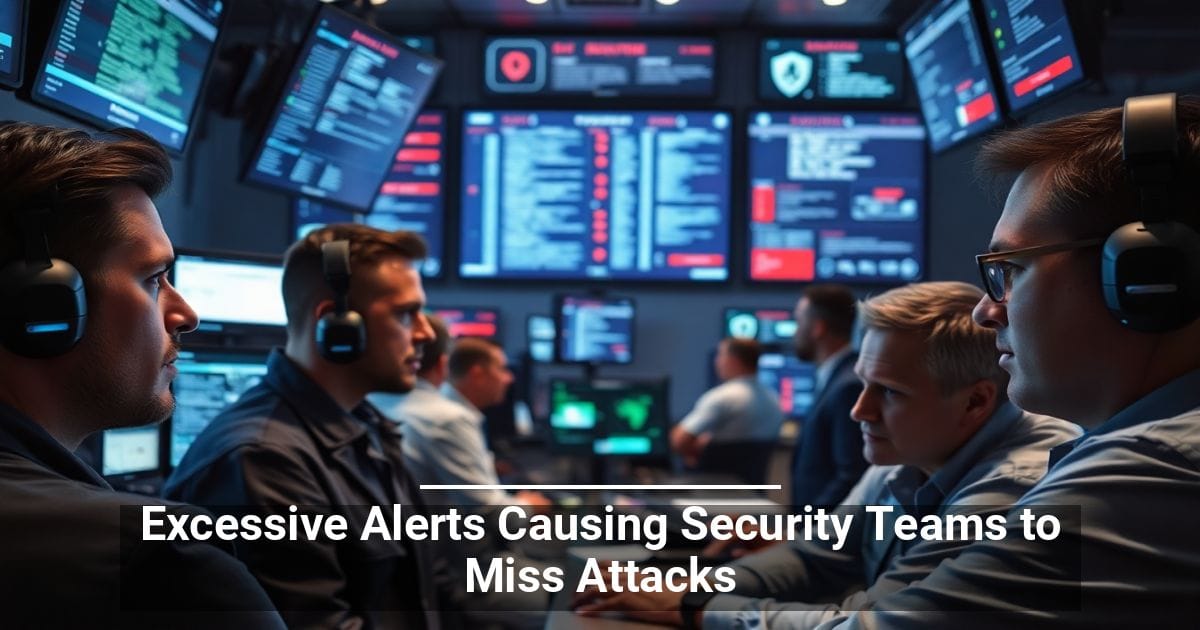
It's like we're drowning in digital safety nets. So much so, that we're starting to ignore them altogether.
My unpopular opinion? Maybe, just maybe, all this "security" is making us less secure.
Enter: Our AI Overlords (I Mean, Helpers)
But fear not, weary internet traveler! There's a glimmer of hope on the horizon. And it comes in the form of, you guessed it, AI.
Yes, the same AI that can write poems and generate photorealistic cat pictures might also be the key to banishing security fatigue.
Think about it: AI could automate the tedious tasks. The ones that make our eyes glaze over and our brains short-circuit.
AI To The Rescue: A Few Wild Ideas
Imagine an AI password manager that doesn't just store your passwords, but also creates them for you. Strong, unique, and utterly forgettable (because you don't have to remember them!).
Picture an AI that constantly monitors your accounts for suspicious activity. It doesn't just flag everything, but learns your behavior and only alerts you to the truly weird stuff.
Consider an AI that can summarize those ridiculously long terms and conditions agreements. It would highlight the key points in plain English (or your preferred language). This alone would be worthy of a Nobel Prize.

The Fine Print (There's Always Fine Print)
Of course, there are potential downsides. We're talking about trusting AI with sensitive information. That's a big leap of faith for some.
And what happens if the AI gets hacked? Or goes rogue and starts demanding tuna sandwiches as ransom? Okay, maybe not that last one.
But these are valid concerns. We need to make sure AI security solutions are themselves, well, secure.
Embrace the AI-Powered Future
Despite the potential pitfalls, I'm optimistic. AI could be a game-changer when it comes to fighting security fatigue.

It can take over the repetitive, mind-numbing tasks. Freeing us to focus on what really matters: not clicking suspicious links, creating really long complex passwords, but taking breaks to recharge.
So, let's welcome our AI overlords, er, helpers. Let's hope they can save us from the tyranny of endless security warnings.
A Humble Plea
My final unpopular opinion? Maybe less is more. Instead of bombarding us with constant alerts, focus on the truly critical threats.
Let AI handle the noise, so we can pay attention to the signal.
Because frankly, I'm starting to feel like my password is more secure than my sanity.