African Violet Potting Soil Vs Regular Potting Soil
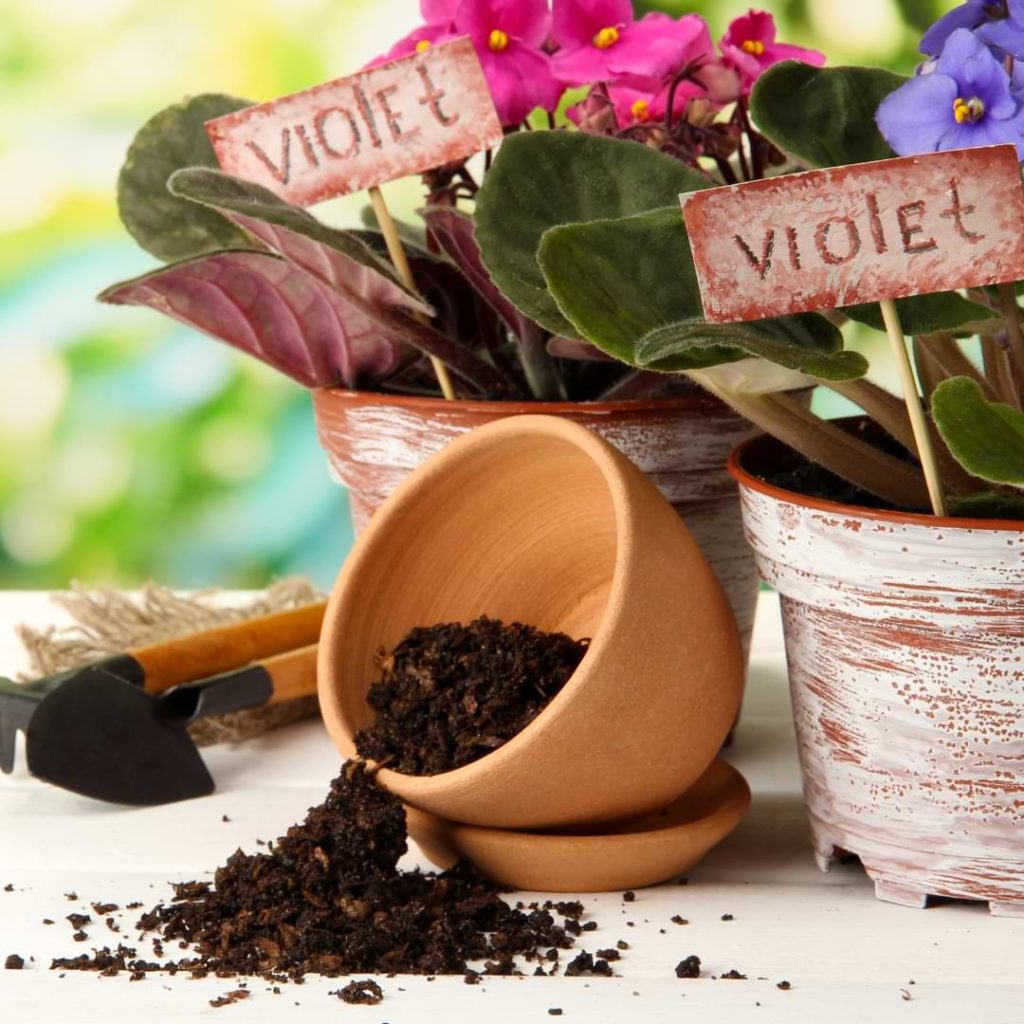
Okay, let's talk dirt! Specifically, let's dive into the fascinating world of potting soil and why choosing the right kind matters – especially when it comes to those charming, fuzzy-leaved beauties, African Violets. It might sound like a minor detail, but trust me, the right soil can be the difference between a thriving violet overflowing with blooms and a sad, droopy one clinging to life. So, why is this such a popular topic? Because everyone wants happy plants, and soil is the foundation of that happiness!
Now, why should you care about African Violet soil versus regular potting soil? Well, it depends on who you are. For beginners, understanding this difference is the first step toward actually keeping your violet alive (and maybe even blooming!). Imagine the satisfaction of seeing those vibrant purple, pink, or white flowers after successfully caring for your plant. For families, growing African Violets can be a fun and educational project. Getting kids involved in mixing soil and caring for plants teaches responsibility and introduces them to the wonders of nature. And for the seasoned hobbyist, experimenting with different soil mixes can be a way to fine-tune your violet-growing skills and achieve even more spectacular results.
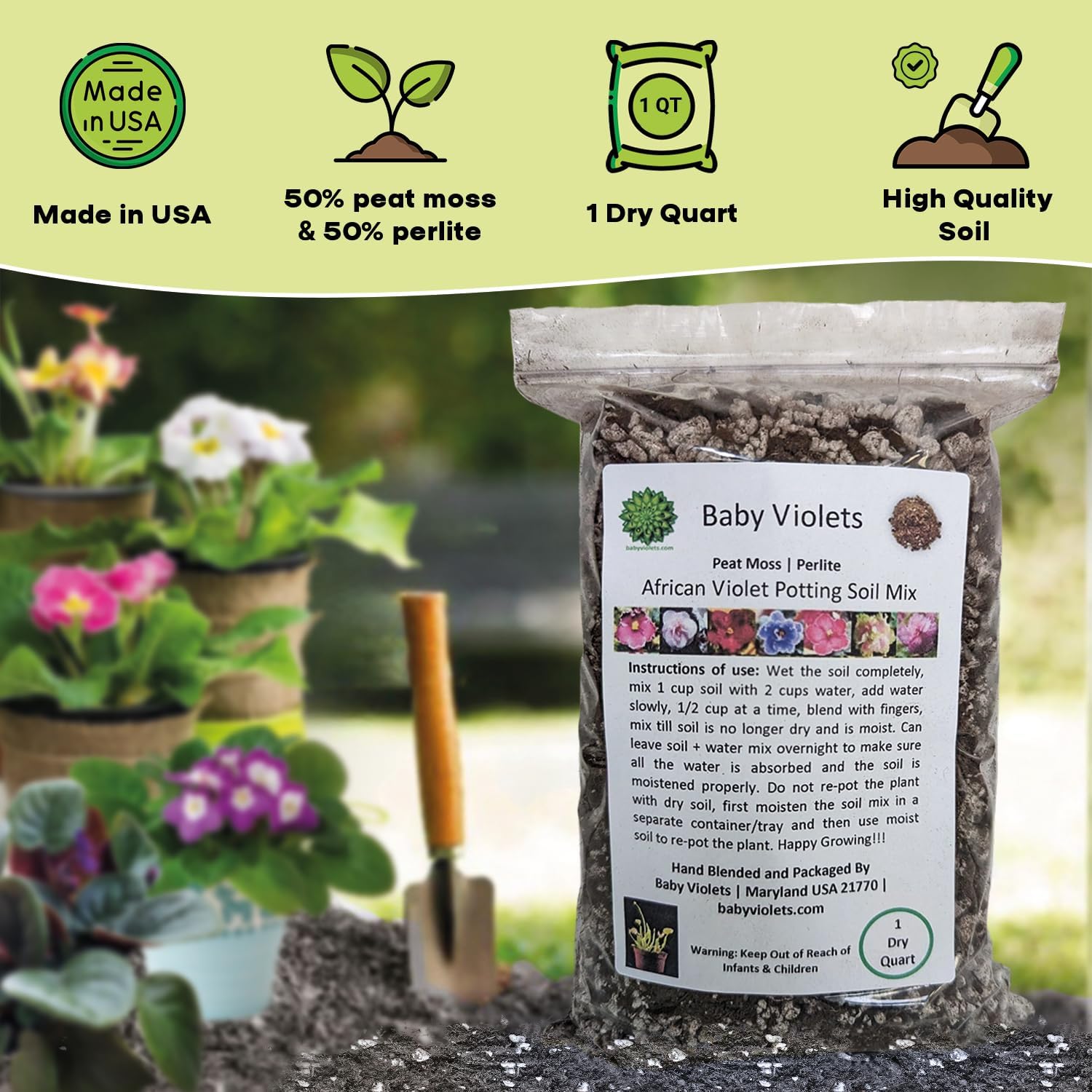
So, what's the big difference? Regular potting soil is often designed to retain moisture, which is great for many plants. However, African Violets are prone to root rot if their roots stay too wet. They need a light, airy, and well-draining mix. African Violet potting soil is specially formulated to provide just that. It's usually a blend of ingredients like peat moss, vermiculite, and perlite. The peat moss helps retain some moisture, while the vermiculite and perlite ensure excellent drainage and aeration. This combination prevents the roots from becoming waterlogged and promotes healthy growth.
Must Read
You can even find variations within African Violet potting soil itself. Some mixes might include added nutrients or fertilizers to encourage blooming. Others might be slightly more acidic, as African Violets prefer a slightly acidic soil. Experimenting with different mixes is part of the fun! You can even create your own custom blend using ingredients you can find at most garden centers.

Here are a few simple tips to get you started:
- Don't use garden soil. It's too heavy and dense and will suffocate your violet's roots.
- Look for "African Violet Potting Mix" specifically. Read the label to make sure it contains ingredients like peat moss, vermiculite, and perlite.
- Don't overwater. Let the top inch of soil dry out before watering again. Water from the bottom to avoid getting the leaves wet, which can lead to spots.
- Repot regularly. Repot your African Violet every year or two with fresh potting mix to replenish nutrients and ensure good drainage.
Growing African Violets can be incredibly rewarding. These delightful plants bring a touch of beauty and tranquility to any home. By understanding the importance of using the right potting soil, you'll be well on your way to enjoying a thriving collection of these lovely little gems. So, get your hands dirty, experiment a little, and prepare to be amazed by the beauty you can create!