Adverse Selection In A Public Stock Company Occurs When

Ever wonder why sometimes the stock market feels like a used car lot? Where everyone seems to know something you don't, and you're left wondering if you just got a lemon? Well, welcome to the fascinating world of adverse selection in public stock companies! It sounds scary, but it's actually a pretty simple concept that explains some weird market behavior. Understanding it can even help you become a smarter investor – which is definitely something to celebrate!
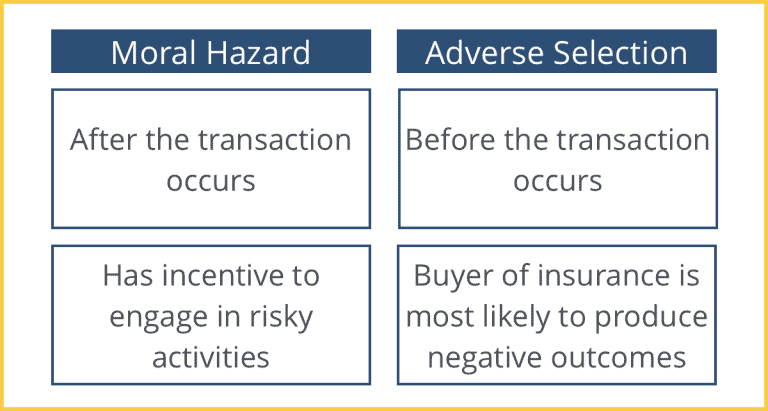
So, what exactly is adverse selection? In plain English, it happens when one party in a transaction has more information than the other. Think of it like this: you're buying a used car. The seller knows all about its hidden problems – that the engine makes a weird noise, or that the brakes are a little shaky. You, on the other hand, only see the shiny exterior. Because the seller has more information, they might be tempted to sell you a lemon at a premium price. That’s adverse selection in action!
In the stock market, adverse selection occurs when someone with insider knowledge – let's say, a company executive who knows sales are plummeting – tries to sell their shares before the bad news becomes public. They know the stock price is about to drop, but unsuspecting investors, lacking this information, might buy those shares thinking they're getting a good deal. The person with the inside scoop benefits, while the uninformed investor gets burned. This is bad news and hurts investor confidence.
Must Read
When does adverse selection occur in a public stock company? It happens when asymmetric information exists - that is, when insiders know more than external investors. This can occur in several scenarios:

- Before a major announcement: Think earnings reports, new product launches, or pending mergers. Insiders may trade on this information before it's public, potentially misleading other investors.
- During a company crisis: If a company is facing financial difficulties, insiders might dump their stock before the market fully realizes the severity of the situation.
- When evaluating new stock offerings: Companies might be tempted to sell shares when they believe their stock is overvalued, knowing full well that its true worth is lower than the offering price.
Why is understanding adverse selection important? For a few key reasons: First, it helps you be more skeptical. Don't automatically trust every piece of information you hear about a company. Second, it encourages you to do your own research. Don't rely solely on tips from others. Dig into financial statements, read industry reports, and understand the company's business model. Finally, it reminds you that the stock market isn't always a level playing field. Being aware of the potential for adverse selection can help you make more informed investment decisions and protect yourself from potential losses.
So, the next time you're considering buying or selling stock, remember the concept of adverse selection. A little bit of knowledge can go a long way in the stock market! Stay informed, be cautious, and happy investing!