
Advantages And Disadvantages Of Using Biomass Energy

So, biomass energy, huh? Sounds fancy. Like something you'd order at a health food store, not power your house with.
It's basically burning stuff to make electricity. Think wood chips, crop waste, even…poop. (Don't worry, they clean it first, I hope).
The Upsides: Let's Hear the Good News
Bye-Bye, Fossil Fuels? Maybe…
Here's the big selling point: biomass can be renewable! Trees grow back. Corn gets harvested again next year. The, uh, stuff animals produce… well, you get the idea.
Must Read
That's a win compared to coal and oil that take, like, a million years to form. So, we're saving the planet, right? Hold that thought.
Plus, it can reduce our reliance on foreign oil. Gotta love being a little more independent.
Waste Not, Want Not
Biomass is about using what we already have. All that leftover cornstalks? Normally it rots, causing methane emissions. Burning it is...better?
It's like recycling, but with fire! I'm not saying it's perfect, but it's a use for something that might otherwise go to waste.
It can even help farmers, providing them with an extra source of income for their unused crops.
Keeps the Lights On (Sort Of)
Biomass power plants are relatively easy to build. They aren't as technically challenging as some other renewable energy sources.
And they can produce electricity pretty consistently. The sun doesn't always shine, and the wind doesn't always blow. But farmers are reliably farming, and trees are reliably growing.

So, biomass offers a more stable energy source than some of its renewable cousins.
The Downsides: Uh Oh, Trouble in Paradise
Smoke Gets in Your Eyes (and Lungs)
Here's where my unpopular opinion comes in. Burning stuff… makes smoke. Shocking, I know.
That smoke contains pollutants. Particulate matter, nitrogen oxides, and other things that aren't exactly good for you.
Some studies even say biomass burning releases more harmful particles than some fossil fuels.
Is it Really Renewable? Questionable.
The "renewable" label gets a little shaky. If we chop down forests faster than they can regrow, it's not very sustainable, is it?
And even if things regrow, the process of harvesting, transporting, and processing biomass requires energy. That energy often comes from fossil fuels.
So, the whole "carbon neutral" thing? It's more like "carbon-ish neutral."

Land Use: Food vs. Fuel
Growing crops for fuel means less land for growing food. This is especially worrying as the global population grows.
Do we really want to be competing with our dinner for energy? Seems like a recipe for disaster (and possibly a very bland dinner).
It can also lead to deforestation, as people clear land to grow energy crops. Which, you know, defeats the whole purpose of being "green".
Expensive…Sort Of
Biomass power plants can be expensive to build and maintain. This can drive up the cost of electricity for consumers.
However, this depends on government subsidies and fuel availability. Sometimes the cost can be comparable to fossil fuels.
But let's be honest, most of the time, green energy means higher prices for people at the pump.
The Verdict: A Mixed Bag of Kindling
So, is biomass energy the answer? Honestly, probably not on its own. It's complicated.
It has some real advantages, but also some serious drawbacks. It's not the perfect, guilt-free energy source we might hope for.
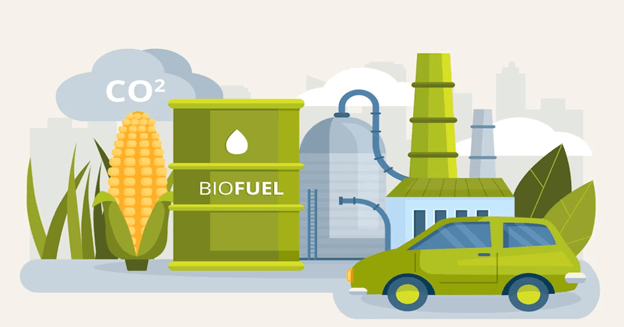
It's one piece of a larger puzzle. We need a mix of energy sources. Solar, wind, maybe even a little bit of… nuclear (don't tell anyone I said that!).
My Unpopular Opinion: It's Overhyped
Here it is: I think biomass gets too much credit. People see "renewable" and assume it's automatically good. Not necessarily.
The carbon math is wonky, the pollution is real, and the land use issues are significant. I'm just saying, let's not jump on the biomass bandwagon without looking where we're going.
Maybe we should focus more on truly clean sources, like solar and wind. And energy efficiency! Turning off lights when you leave a room is still the best way to "burn" less energy.
A Note on Wood Pellets: The Trendy Evil
Let's talk about wood pellets for a sec. It's all the rage in Europe as a "green" heating solution.
But shipping wood pellets across the Atlantic? Burning entire forests for heating? It sounds like a bad idea and it probably is a bad idea.
It's the prime example of how biomass can turn into a nightmare when you look past the surface "renewable" tag.
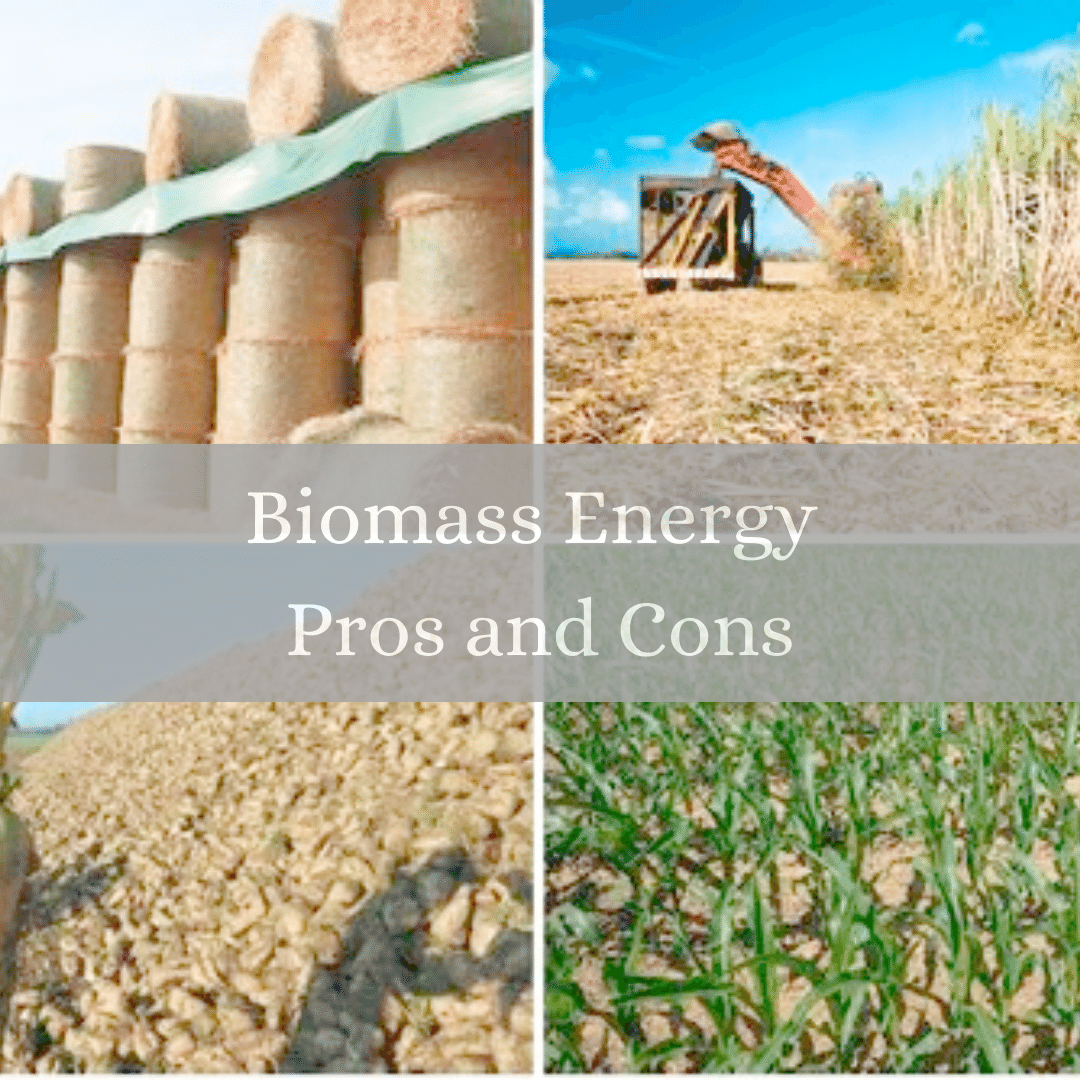
Biomass and The Poop Factor
Let's be honest. One of the most interesting aspects of biomass is turning animal waste into energy.
It can be a win/win situation. Reduce methane emissions, generate electricity, and decrease fertilizer dependency.
It sounds gross, but it's probably the most eco-friendly application of biomass. Plus it keeps flies away!
But there's also the logistical challenge. Collecting and transporting animal waste is not easy and not cheap.
And the process still emits some pollutants. Not a free ride, but still better than letting it rot!
Final Thoughts: Don't Believe the Hype!
Biomass energy is a tool. Like any tool, it can be used well or poorly.
We need to be smart about how we use it. Focus on sustainable practices, minimize pollution, and consider the bigger picture.
And maybe, just maybe, we can harness the power of burning stuff without setting the planet on fire. (Figuratively, of course...mostly.)