Advantages And Disadvantages Of Non Renewable Sources
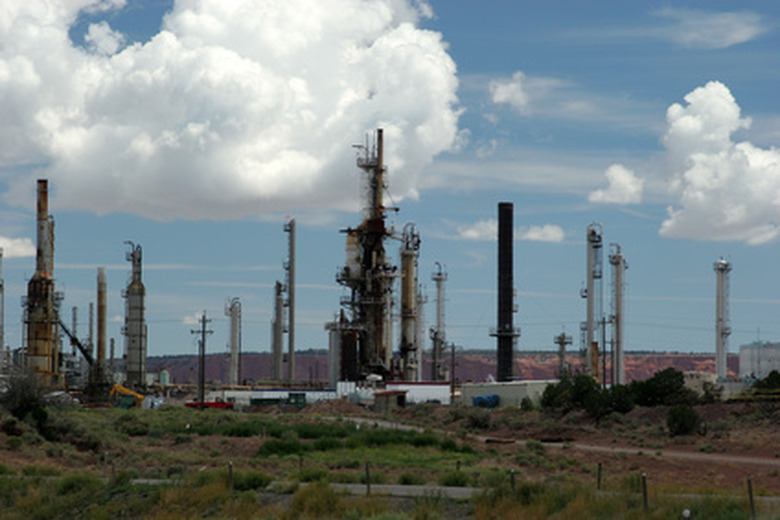
Okay, let's talk about something we all use, but maybe don't think about too much: energy! Specifically, the kind of energy that comes from sources that, well, eventually run out. We're talking about non-renewable resources like coal, oil, and natural gas. Why is this interesting? Because understanding where our power comes from, and the good and bad sides of it, helps us make smarter choices about the future! It's like knowing the rules of the game so you can play it better.
So, who needs to know this stuff? Basically, everyone! For beginners, understanding the basics of energy is crucial for grasping larger environmental and economic issues. Families can use this knowledge to make informed decisions about their energy consumption, potentially saving money and reducing their impact on the planet. And for hobbyists interested in things like renewable energy projects or off-grid living, knowing the ins and outs of non-renewable sources provides a vital foundation.
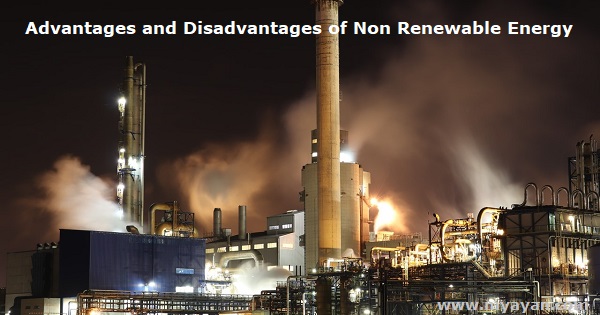
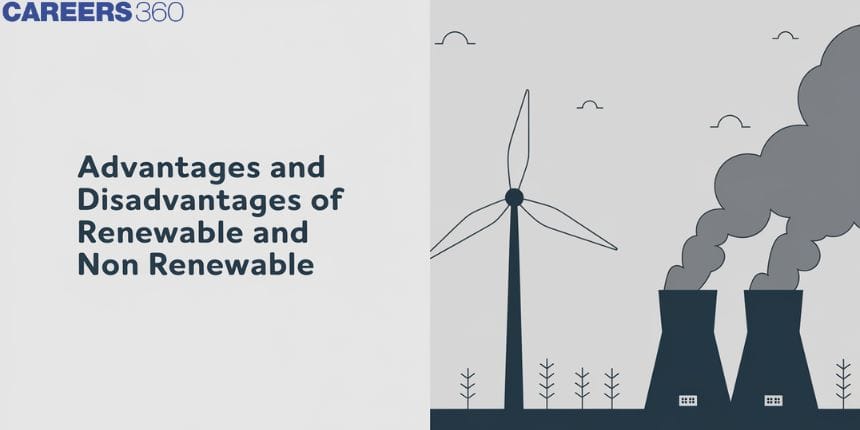
Let's start with the advantages. The biggest one is often reliability. Non-renewable energy sources are currently very dependable. Power plants using coal, oil, or natural gas can generate electricity on demand, regardless of the weather (unlike solar or wind). They've also been around for a long time, so the technology is well-developed and relatively efficient (though always improving!). Another key advantage is cost. For now, in many places, producing energy from these sources is still cheaper than from renewable alternatives, though this is changing rapidly.
Must Read
Think about it: your home heating system likely relies on natural gas or heating oil. Your car probably runs on gasoline derived from crude oil. The electricity powering your lights and devices could well be generated in a coal-fired power plant. Variations in how these fuels are used are numerous – from the type of coal burned to the specific refining process for gasoline – but the core principle remains the same: a finite resource is being consumed to produce energy.
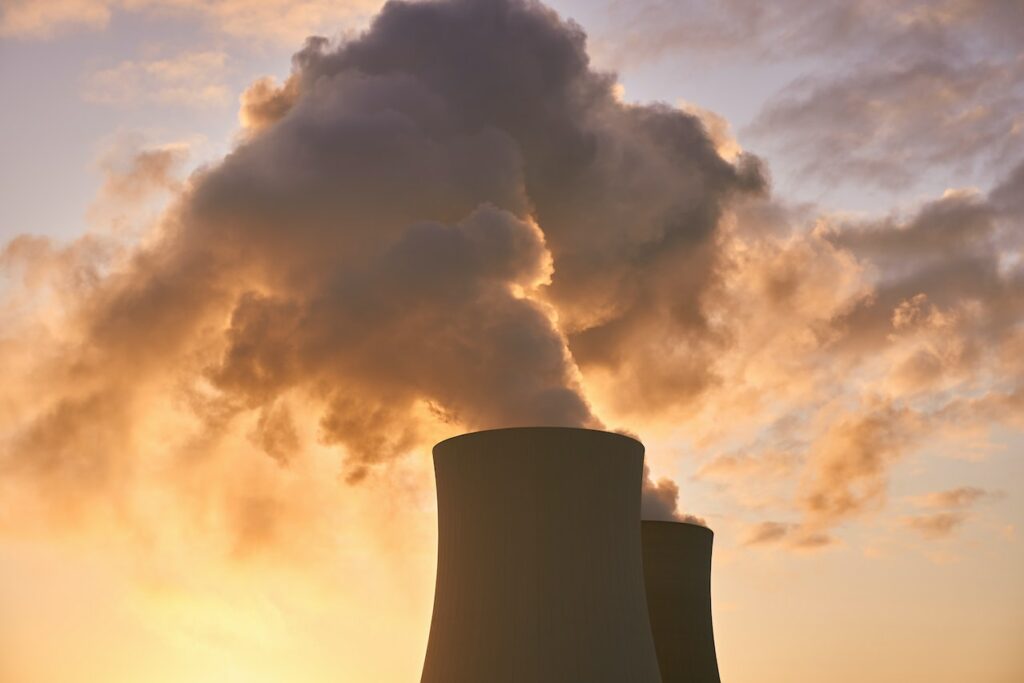
Now for the disadvantages, and they are significant. The most pressing is their finite nature. Once they're gone, they're gone!. We can't just magically create more oil or coal. Then there's the environmental impact. Burning these fuels releases greenhouse gases, contributing to climate change. They can also cause air and water pollution, harming ecosystems and human health. Mining for coal can devastate landscapes, and oil spills can have catastrophic consequences for marine life. The whole extraction process is pretty disruptive.
So, how can you start understanding this better? Simple steps! Pay attention to your energy bill and see where your power comes from. Research the energy sources used in your community. Look for ways to reduce your energy consumption at home: turn off lights when you leave a room, use energy-efficient appliances, and consider insulating your home better. Consider small steps like switching to LED lightbulbs; it really makes a difference! Advocate for policies that promote renewable energy and energy conservation.
Learning about non-renewable energy sources isn't just about understanding the downsides. It's about appreciating the complex relationship we have with energy and the need to find more sustainable solutions. It's an ongoing journey of learning and adapting. Understanding these sources, their advantages and disadvantages, empowers us to make informed choices and contribute to a cleaner, more sustainable future. And that's pretty valuable, wouldn't you say?