
Advantages And Disadvantages For Renewable Energy
Hey everyone! Let's talk about something super important, and honestly, pretty darn cool: renewable energy. We hear about it all the time, but what's the real deal? Is it all sunshine and roses, or are there some clouds on the horizon? Let's dive in, shall we?
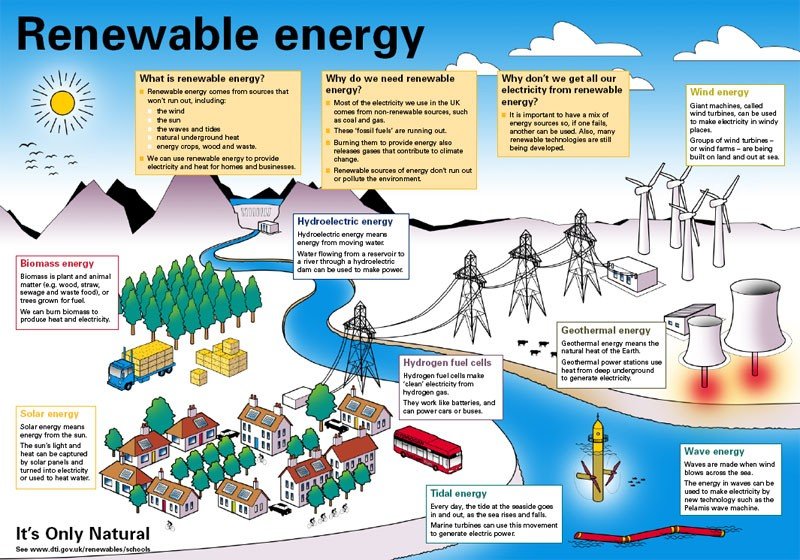
Think of renewable energy like this: it's the environmentally conscious friend who always remembers to recycle and brings reusable bags to the grocery store. It's energy that comes from sources that are naturally replenished – sunlight, wind, water, and even the Earth's own heat. Sounds amazing, right? But, like that eco-conscious friend, it's not always perfect.
The Sunny Side: Advantages of Renewable Energy
Okay, let’s start with the good stuff. Why is everyone so hyped about renewable energy?
Must Read
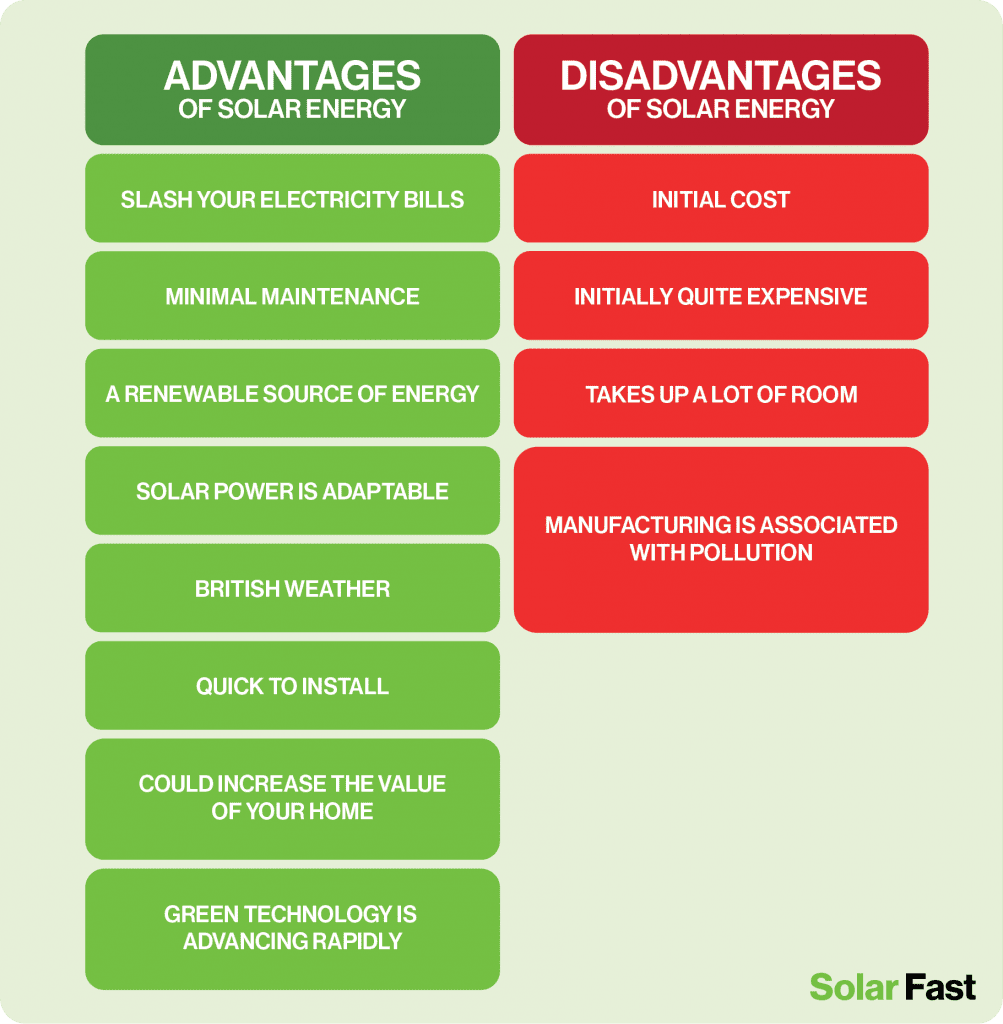
Cleaner than Clean: The biggest win is undoubtedly the environmental impact. Renewable sources produce little to no greenhouse gas emissions during operation. Compare that to burning fossil fuels – it's like comparing a crisp mountain breeze to a smoky back alley. Which would you rather breathe?
Never-Ending Story: Fossil fuels are finite. Eventually, we're going to run out. But the sun shines every day (well, mostly!), the wind blows, and rivers flow. These sources are constantly replenished, making renewable energy a sustainable option for the long haul.
Energy Independence: Relying on fossil fuels often means relying on other countries. Developing our own renewable energy sources empowers us to be more energy independent, like finally learning how to cook instead of ordering takeout every night. It gives us more control!

Job Creation Bonanza: Building and maintaining renewable energy infrastructure creates jobs. From engineers and construction workers to technicians and researchers, the renewable energy sector is a growing field with lots of opportunities. Who doesn't love a good job boost?
Lower Operating Costs (Eventually!): While the initial investment can be high, the operating costs of many renewable energy technologies are quite low. Once a solar panel is installed, it doesn't require much fuel to keep generating electricity. Free sunshine for everyone!
Think of it like this: buying a super-efficient electric car might cost more upfront, but you’ll save a ton on gas in the long run, plus you get to feel good about yourself for helping the planet!
The Cloudy Side: Disadvantages of Renewable Energy
Alright, let’s be real. No energy source is perfect. Renewable energy has its challenges too. What are the bumps in the road?
The Initial Investment Hurdle: Setting up renewable energy infrastructure, like solar farms or wind turbines, can be expensive. It's like building a fancy new house – it requires a significant upfront investment. This can be a barrier for individuals and communities.
Intermittency Issues: The sun doesn't always shine, and the wind doesn't always blow. This intermittency means that renewable energy sources aren't always reliable on their own. We need ways to store energy and supplement renewable sources with other forms of power to ensure a consistent supply.
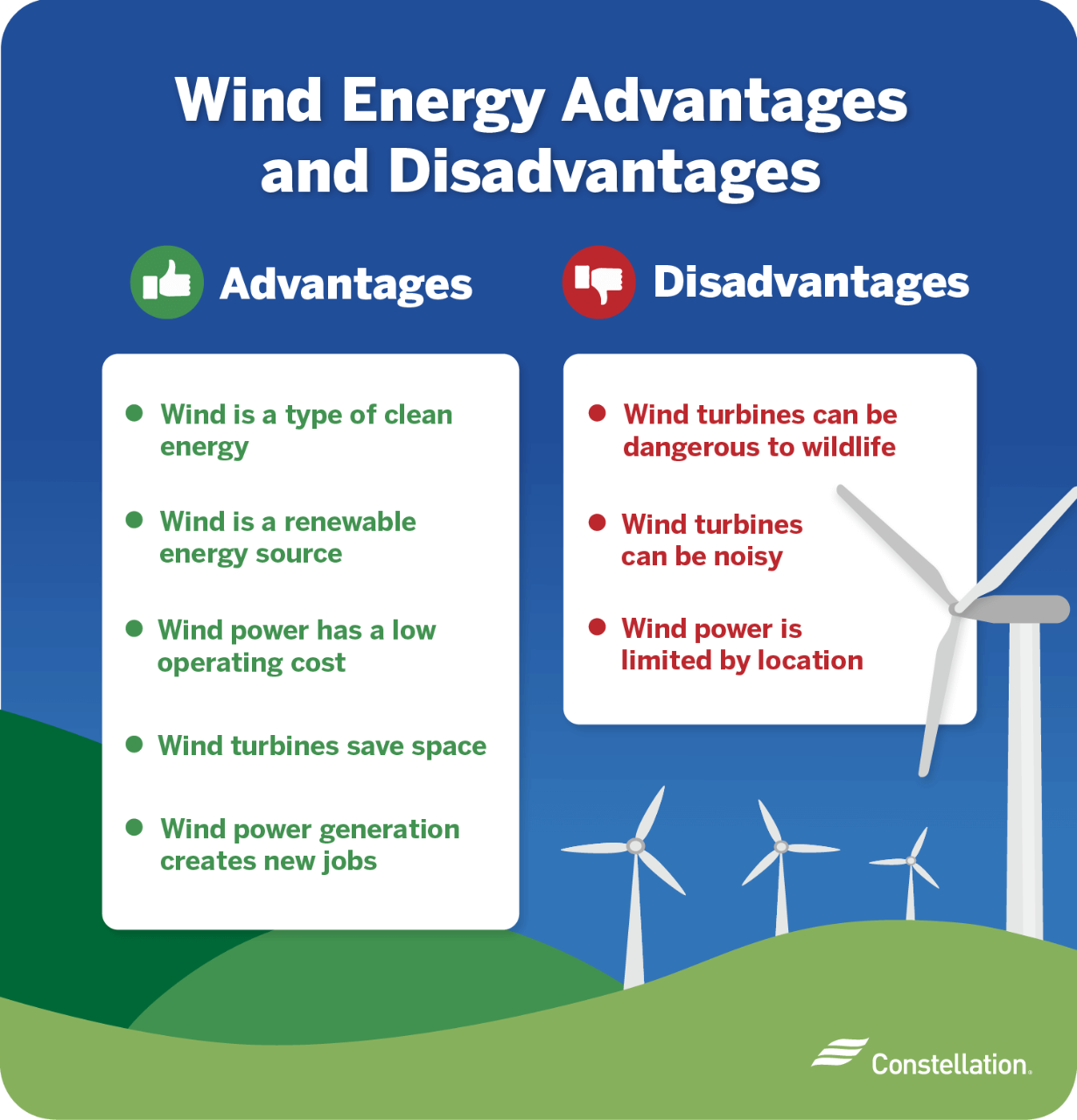
Location, Location, Location: Some renewable energy sources are geographically limited. Geothermal energy requires specific geological conditions, and some regions are simply not windy enough for efficient wind power generation. It's like trying to grow a palm tree in Alaska – not gonna happen!
Land Use Concerns: Large-scale solar farms and wind farms require a lot of land. This can raise concerns about habitat loss and potential conflicts with other land uses, like agriculture. It's a delicate balance to find.
Visual Impact (and Noise!): Let’s be honest, some people find wind turbines visually unappealing. Plus, they can generate some noise. Solar panels, while less visually intrusive, can still impact the landscape. Aesthetics matter!
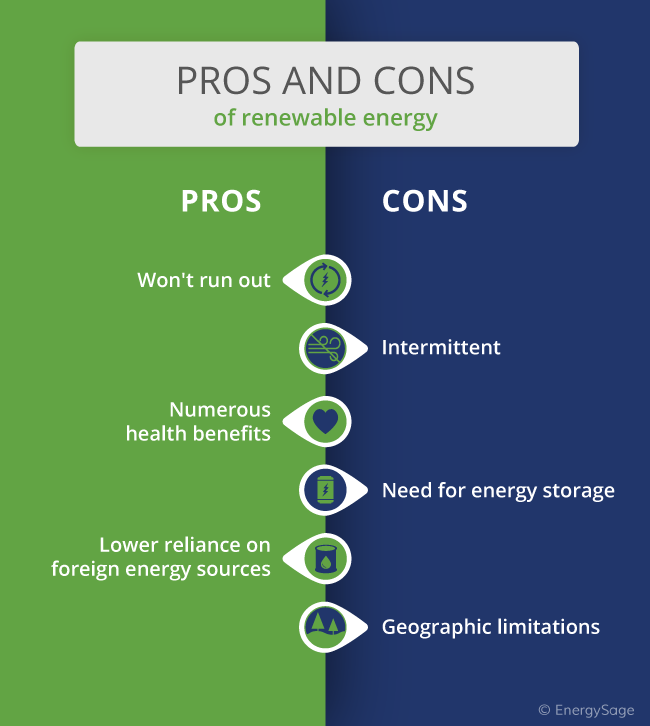
Storage Challenges: When the sun is shining brightly and the wind is howling, we might generate more electricity than we need. The challenge is storing that excess energy for later use, when demand is high and renewable sources are less productive. Battery technology is improving, but it's still a work in progress.
So, What's the Verdict?
Renewable energy is a complex issue with both advantages and disadvantages. It's not a magic bullet, but it's a crucial part of a sustainable future. The challenges are real, but they are not insurmountable. Innovation and technological advancements are constantly improving the efficiency, reliability, and affordability of renewable energy technologies.
It's kind of like learning a new language. It's hard work, there are grammar rules to memorize, and sometimes you just can't find the right words. But the rewards of being able to communicate with new people and understand new cultures are well worth the effort. Similarly, the benefits of transitioning to a renewable energy future – a cleaner planet, energy independence, and a thriving green economy – are definitely worth striving for.
What do you think? Are you excited about the possibilities of renewable energy? Let's keep the conversation going!