
Add Motion Detector To Existing Light

Okay, picture this: it’s late, you’re juggling three bags of groceries, your keys, and that annoying junk mail flyer you grabbed by mistake. You’ve just wrestled open the back door, and now you’re doing the classic ‘hip-check-the-light-switch’ maneuver. Except, tonight, your hip misses, and you end up doing a clumsy little dance move while trying to find the switch with your elbow, all in glorious, total darkness. Sound familiar? Because, let’s be honest, who hasn't been there?
That exact scenario (or a variation of it, perhaps involving a trash can, a child's forgotten toy, or simply the immense effort of finding your way to the fridge for a midnight snack) made me think: there has to be a better way. And guess what, my friends? There totally is. It's not rocket science, it’s not magic (though it feels like it), and it doesn't require ripping out your entire electrical system. We're talking about adding a motion detector to an existing light fixture.
Why Your Life Needs a Motion Detector (Like, Yesterday)
Forget the clumsy dances. Forget fumbling for switches when your hands are full. A motion detector is your personal, silent assistant, always on standby to illuminate your path. Think about your garage, your porch, a dark hallway, or even that walk-in pantry that always feels like a black hole. With a motion sensor, the light simply comes on when you need it. No more stubbed toes, no more feeling like you're starring in a low-budget horror film just trying to find the light switch.
Must Read
Beyond the sheer convenience (which, let's be real, is a massive selling point), there are other perks. For starters, it’s a brilliant security feature. A sudden burst of light can often be enough to deter unwelcome guests, making your home a little bit safer. Plus, it’s a quiet hero for energy saving. Lights only illuminate when motion is detected, meaning you’re not accidentally leaving the porch light on all day or having a hallway light burn unnecessarily for hours. Your wallet (and Mother Earth) will thank you.
So, How Do You Do This Sorcery?
Now, I know what you might be thinking: "Wires? Electrical stuff? That sounds complicated!" And while safety is always paramount when dealing with electricity (and we'll get to that!), the concept of adding a motion sensor to an existing light is surprisingly straightforward for many common setups.

You essentially have a few main options, depending on your existing light fixture and your comfort level:
1. The "Smart" Bulb Route: The easiest, albeit sometimes limited, is a motion-sensing LED bulb. You just screw it in! Super simple, right? The catch is, the sensor is often built into the bulb itself, so it might have a narrower detection range or be less ideal for larger areas. But for a small pantry or closet? Perfection.
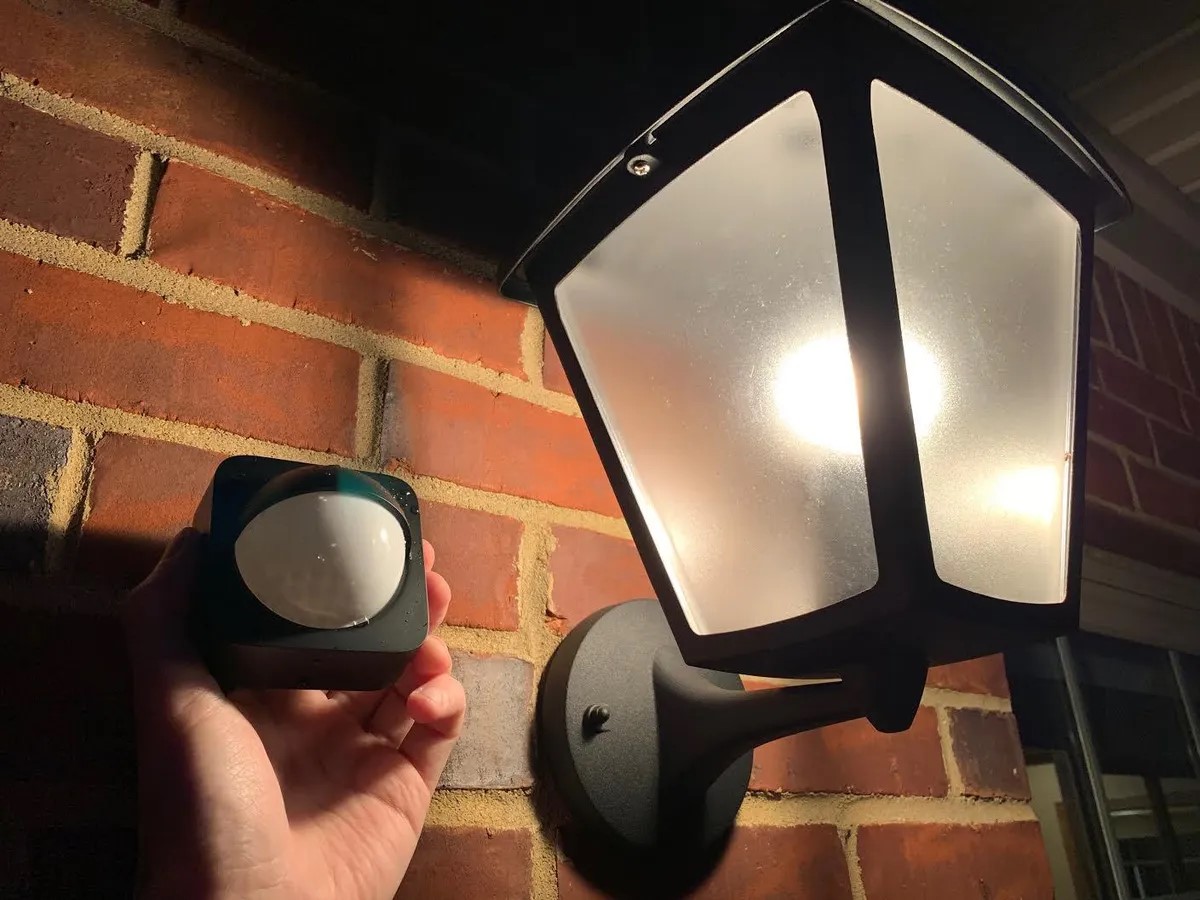
2. The Inline Motion Sensor: This is where things get a little more "DIY," but totally doable. An inline sensor is a small device that you wire between your existing light fixture and its power source. It essentially acts as a smart switch, telling the light to turn on when it detects movement and off after a set period of no motion. These often come in models suitable for indoor or outdoor use, so pick wisely!
3. The Fixture-Integrated Sensor: Sometimes, you can find a separate motion sensor designed to be mounted near or directly onto an existing light fixture, connecting to its wiring. This is a great option for outdoor lights where you want a discreet sensor or a wider detection range than a bulb might offer.
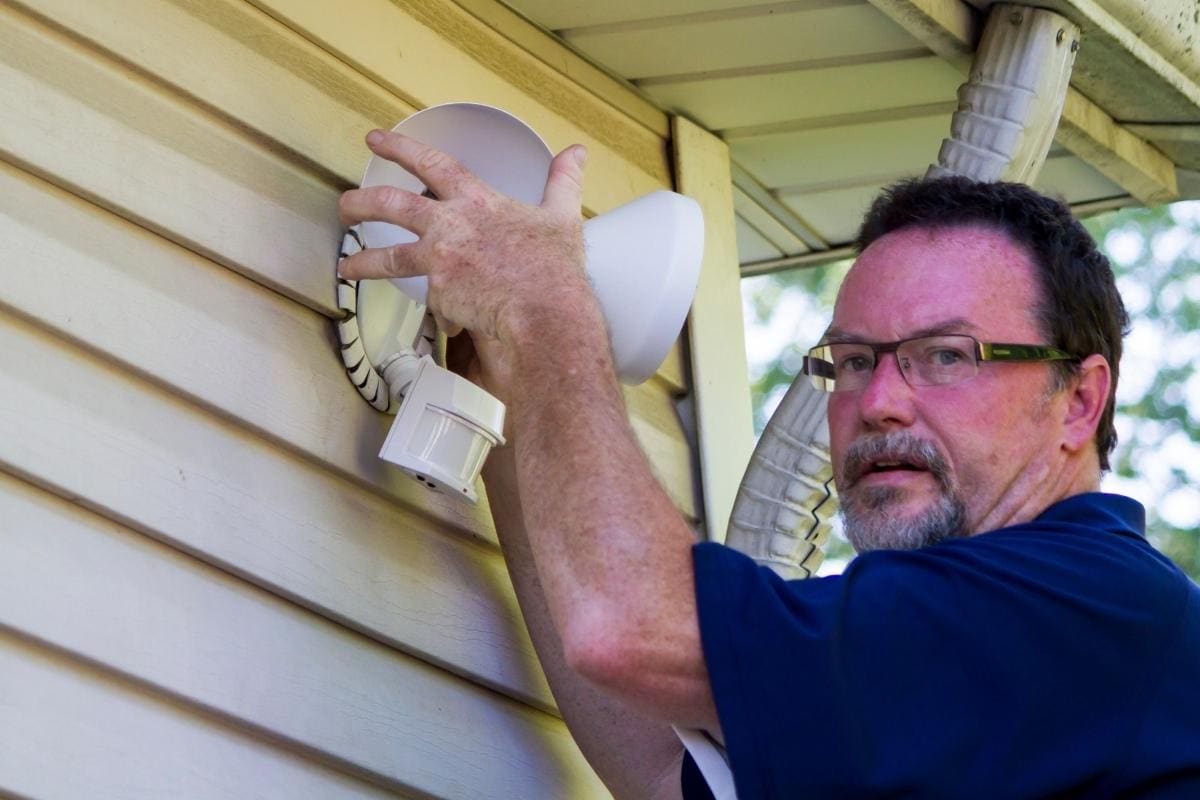
Let's Talk "The How-To" (Simplified Version)
For options 2 and 3, the process generally looks something like this (and please, for the love of all that is bright and safe, always turn off the power at the breaker first! Seriously, double-check it. Your safety is non-negotiable).
- Kill the Power: Flip that breaker. Test the switch to ensure the light is truly off.
- Access the Wiring: Carefully open up your light fixture or junction box where the light is wired.
- Identify Wires: You'll usually see a hot wire (often black), a neutral wire (often white), and sometimes a ground wire (green or bare copper). Your motion sensor will have similar input/output wires.
- Connect the Sensor: This is where you connect the sensor's wires to the corresponding wires for your light and power source. The sensor essentially sits in the middle, intercepting the power before it reaches the light. Always follow the manufacturer's specific wiring diagram! They know their product best.
- Mount and Test: Secure your sensor, button everything back up, and then, with bated breath, flip the breaker back on. Walk past the sensor. Voila! Light!
It's genuinely less intimidating than it sounds, especially with clear instructions that come with most motion detectors. And trust me, the first time that light pops on exactly when you need it, hands-free, you'll feel like a bona fide home automation guru. Prepare for a lifetime of convenient illumination.
So, go forth, embrace the future, and say goodbye to those awkward, dark-room dances. Your future self, juggling groceries or sneaking a midnight snack, will thank you profusely. Happy illuminating!
