Ah, the grand world of kitchenware! It’s a place where myths are born, legends are told, and sometimes, you just want a fork that doesn't rust. We’re talking about stainless steel, of course.
It’s the unsung hero of our homes, the shiny backbone of countless meals. But then, a whisper starts in the aisles: 18/10. And then, its trusty sidekick: 304. Suddenly, a perfectly good shopping trip turns into a metallurgical mystery.
The Great Stainless Steel Showdown (or, why we overthink things)
You’ve seen the numbers, haven’t you? You’re browsing for new pots or a shiny set of spoons, and there it is. Acero Inoxidable 18/10. It sounds fancy, doesn't it?
It carries an air of sophistication, like a tiny tuxedo for your kitchen tools. Then, you spot Acero Inoxidable 304. It’s a bit more unassuming, perhaps less aggressively glamorous.
But what do these numbers even mean? Are we talking secret codes for kitchen ninjas? Not quite, but it feels like it sometimes!
Meet Our Contenders: The Numbers Game
Let's demystify things a little, but still keep it fun. When you see 18/10, it’s like a secret handshake between elements.
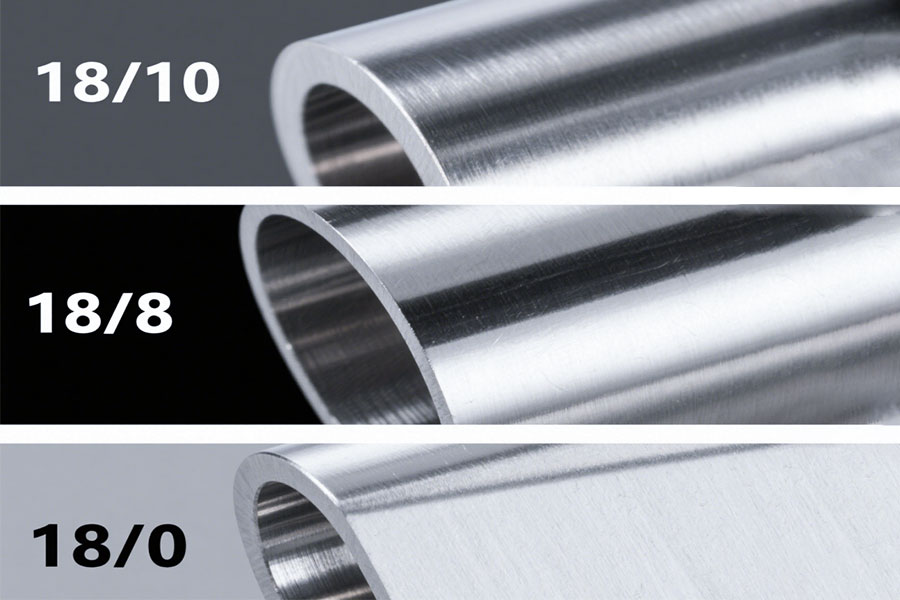
It means your steel has 18% chromium and 10% nickel. Chromium is the superhero, fighting off rust and corrosion with gusto. Nickel? Oh, nickel adds that extra gleam and makes the steel a bit more resistant to acids and general wear and tear.
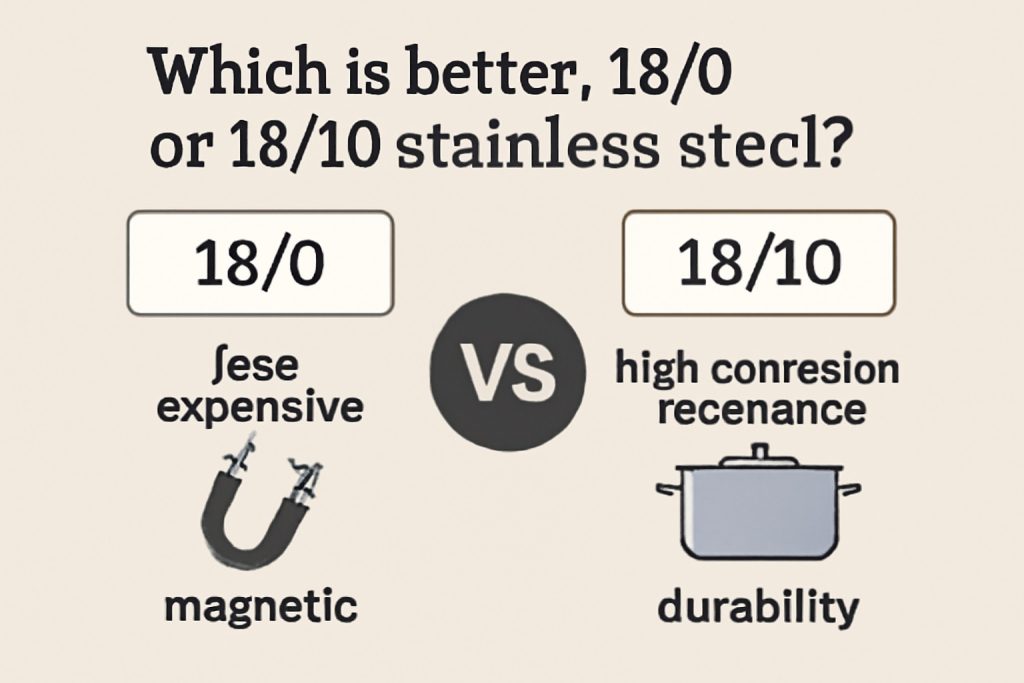
18/10 vs 304 Stainless Steel: Which is Better?
It’s the dynamic duo that gives 18/10 its lustrous reputation. It’s the show pony of the stainless steel world, always ready for a close-up.
Then we have our other champion, 304 stainless steel. Now, 304 is usually known as 18/8 stainless steel. See? Slightly fewer numbers, slightly less nickel.
It means 18% chromium and 8% nickel. Still a fantastic team, mind you! Chromium is still doing its superhero thing, battling rust like a champ. And nickel is still there, adding resilience and shine.
Think of it as the incredibly competent, slightly less flashy sibling. It doesn't need to shout to get the job done, and done well.
Some folks swear by 18/10, as if their morning coffee won't taste right without that extra sparkle. We get it, shine is nice!
¿Qué significa 18/8, 18/10 y 18/0 en acero inoxidable? ¿Una guía
The Unpopular Opinion You Secretly Agree With
And here’s where we drop the mic, folks. Ready for a little secret? For almost everything you do in your kitchen, for almost every fork you stab a sausage with, for almost every pot you boil pasta in…
…the difference between 18/10 and 304 (18/8) is, well, pretty darn minimal for your everyday life. Yes, we said it! You can pick your jaw up off the floor now.
Seriously, unless you’re running a super-high-end industrial kitchen that bathes its tools in corrosive acids daily, you likely won't notice a huge functional difference. Both are incredibly durable.
Both resist rust like nobody’s business. And both will serve your culinary adventures faithfully, from humble toast to ambitious gourmet endeavors. One just gets a bit more "glamour" marketing.
It’s like comparing a fancy sports car to a really reliable, comfortable sedan. Both get you where you need to go. One might turn a few more heads, but the other is perfectly functional and often a smarter choice for daily drives.
Acero inoxidable 304 vs 304L: ¿cuál es la diferencia?
Why Do We Obsess? The Psychology of Shine
It’s human nature, isn’t it? We see a higher number, we assume it’s better. We see "10" and think it must trump "8." It’s a clever bit of marketing, really.
The extra 2% nickel in 18/10 does make it slightly more resistant to certain acids and gives it a marginally brighter, more silvery sheen. "Marginally" being the operative word there.
Can you really tell the difference with your naked eye, without a scientific instrument, between a fork with 8% nickel and one with 10%? Probably not, unless you’re a professional jewelry appraiser who moonlights as a cutlery critic.
And as for rust resistance? Both types are fantastic. They both laugh in the face of moisture, mostly. Unless you're habitually leaving your tools in saltwater for weeks, you're probably safe.
The Real-World Winner: You!
So, what does this mean for your next shopping spree? It means you can breathe a sigh of relief. If you find a gorgeous set of cutlery or a sturdy pan that’s 304 (18/8), don't walk away thinking you're settling.
Entendiendo el acero inoxidable: La diferencia entre 304 y 18/10 - DAPU
You’re actually getting a fantastic, hard-working piece of equipment that will likely outlast your desire to cook. And probably save you a few bucks in the process, because 18/10 often comes with a slightly higher price tag.
That extra cost for 18/10? It's often for that almost imperceptible extra shine and that tiny, tiny bit of added resistance. For everyday home use, it's rarely a make-or-break factor.
Both are food-grade titans, ready for anything your kitchen throws at them. So next time you see the numbers, smile. You now know the secret.
You know that while 18/10 gets all the magazine covers, 304 is the silent workhorse keeping kitchens running smoothly everywhere. And sometimes, the underdog is just as good, if not better value.
Choose the look you love, the price that feels right, and rest assured that both stainless steel types are excellent. Your pots, pans, and forks will thank you.