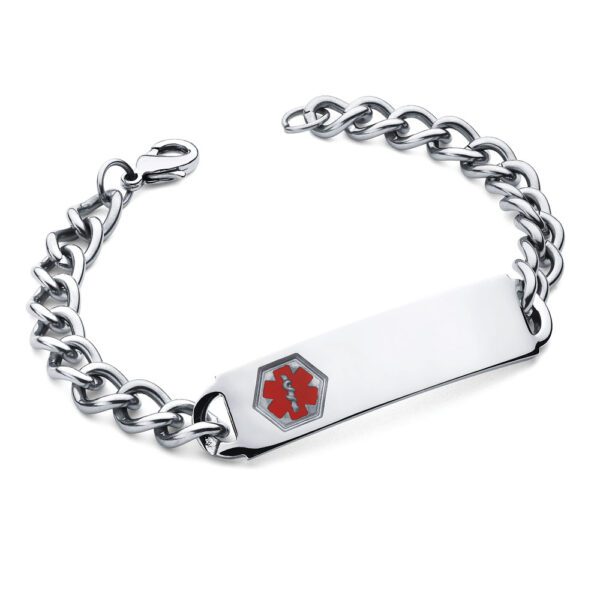
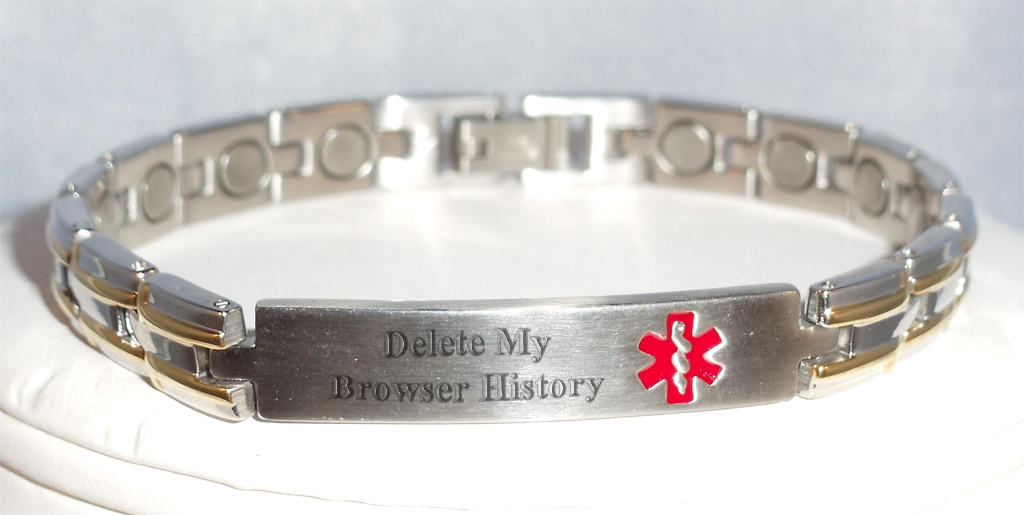
A Medic Alert Bracelet Might Indicate That A Customer:
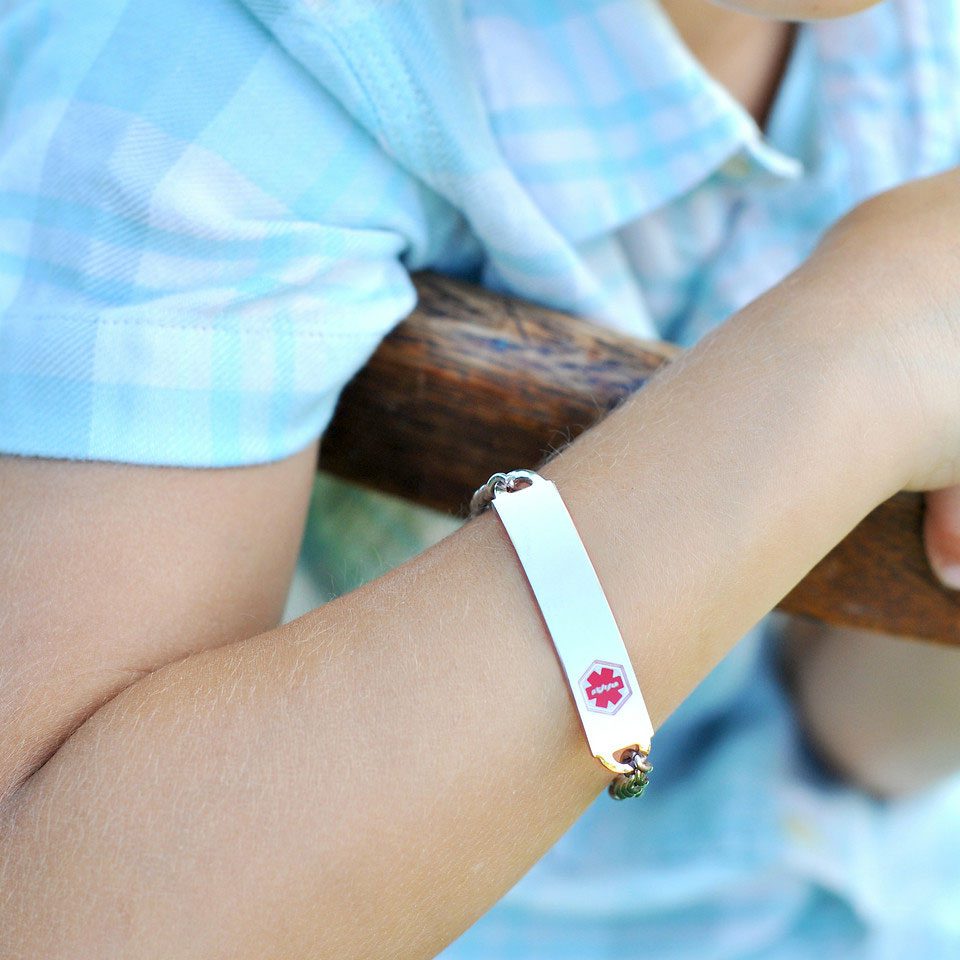
Ever play detective while waiting in line? Admit it, we all do it! We subtly (or not-so-subtly) observe the people around us, making quick judgments based on appearances. But what if there was a clue that offered real insight into someone's health and could actually make a difference? That's where a Medic Alert bracelet comes in. It's more than just jewelry; it's a lifeline, a silent communicator, and a key to understanding potential needs in an emergency. So, let's decode what a Medic Alert bracelet might be telling you about a customer.
Think of a Medic Alert bracelet as a wearable medical summary. Its primary purpose is to rapidly communicate critical health information to first responders, medical professionals, and even helpful bystanders in situations where the wearer is unable to speak for themselves. This is incredibly beneficial because it eliminates guesswork and ensures appropriate and timely treatment.
So, what conditions might trigger someone to wear one? The possibilities are vast, but some common examples include:
Must Read
- Allergies: This is a big one! A bracelet might indicate severe allergies to medications (like penicillin), foods (like peanuts), or insect stings (like bee stings). Knowing this instantly prevents a potentially life-threatening allergic reaction.
- Diabetes: A bracelet might signify that the person has diabetes, indicating they may experience episodes of hypoglycemia (low blood sugar) or hyperglycemia (high blood sugar). This allows for prompt administration of glucose or insulin, respectively.
- Epilepsy or Seizure Disorders: The bracelet could alert you to the person's history of seizures, letting you know how to react appropriately if a seizure occurs (e.g., protecting them from injury, timing the seizure).
- Heart Conditions: Conditions like arrhythmia, angina, or having a pacemaker are often noted. This information is crucial for medical personnel when deciding on treatment plans.
- Blood Thinners: If someone is taking blood thinners (like Warfarin), a bracelet will tell you. This is important to know in case of an injury, as it means they are more prone to bleeding.
- Asthma or other Respiratory Issues: Especially if severe, someone with asthma or another respiratory problem will indicate this on their bracelet in case they require immediate assistance like an inhaler.
- Other Medical Conditions: A bracelet can also indicate less common, but equally important, conditions like Alzheimer's, autism, or rare genetic disorders.
Wearing a Medic Alert bracelet offers peace of mind to both the wearer and their loved ones. In an emergency, every second counts. These bracelets speak for the wearer when they can't, ensuring they receive the correct and most effective care. Beyond the immediate benefit in emergencies, Medic Alert bracelets can also help avoid potentially harmful treatments or medications based on the listed conditions. Imagine the relief of knowing you've helped someone get the right care simply by recognizing a small, yet significant, piece of jewelry!
So, the next time you're observing someone wearing a Medic Alert bracelet, remember that it's more than just an accessory. It's a vital communication tool offering a window into their health needs and potentially saving their life. It's a reminder that sometimes, the smallest details can make the biggest difference.