
A Coin Is Dropped From A Hot Air Balloon

Okay, picture this. You're soaring high in a hot air balloon. It's breezy. You've got a coin.
Then, you drop it. Plink! Gone. But where exactly does it go?
The Obvious Answer (That's Probably Wrong)
Most people think it just goes straight down. Right? Gravity, duh. It's the shortest distance between two points.
Must Read
But hold on a second. Let's think about this. What about wind resistance?
That little coin isn't plummeting through a vacuum. It's fighting the air all the way down. And the balloon is probably moving, too!
Here's My Unpopular Opinion
I think the coin probably lands miles away from directly below the balloon. Maybe even in someone's garden. Imagine finding a random penny in your petunias!
It's not some perfectly vertical drop. That's just physics textbook dreaming. Real life is messier. And windier.
And let's be honest, the air up there is probably doing all sorts of crazy things to that poor little coin. A proper aerial ballet, if you will.

What About Spin?
Now, this is where it gets really interesting. Did you flip the coin before you dropped it? Because spin changes everything.
A spinning coin is like a tiny, metallic helicopter. Sort of. It's definitely going to wobble.
I bet professional coin-droppers (if that's a thing) could predict the landing zone with some degree of accuracy. They'd need to know a lot of things, like air currents.
The Butterfly Effect and Your Loose Change
Think about the butterfly effect. A butterfly flaps its wings in Brazil, and it causes a tornado in Texas.
Well, your coin might cause a slightly annoyed gardener somewhere. Close enough! The world is unpredictable.

Seriously though, that tiny coin is at the mercy of a million different forces. It's basically a miniature weather vane.
But Wait, There's More!
What kind of coin are we talking about? A hefty silver dollar? Or a flimsy penny? Weight matters!
A heavier coin will probably be less affected by the wind. It's got momentum on its side. Go team heavy coin!
But a lighter coin? That thing is dancing with the wind all the way down. It's like a metallic leaf.
My Completely Unscientific Conclusion
So, my gut feeling is that the coin lands... well, pretty much anywhere. Except for directly underneath the balloon.
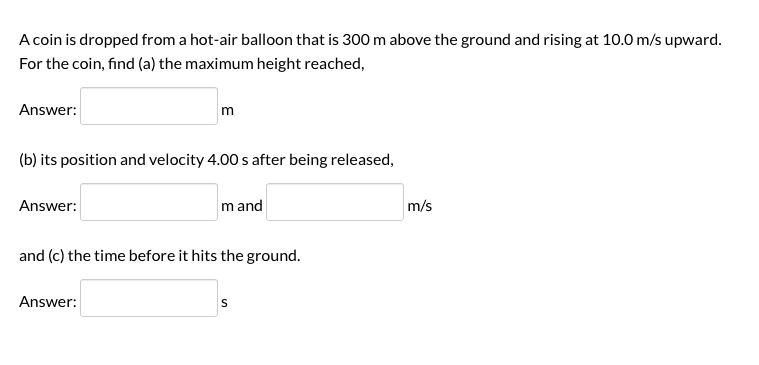
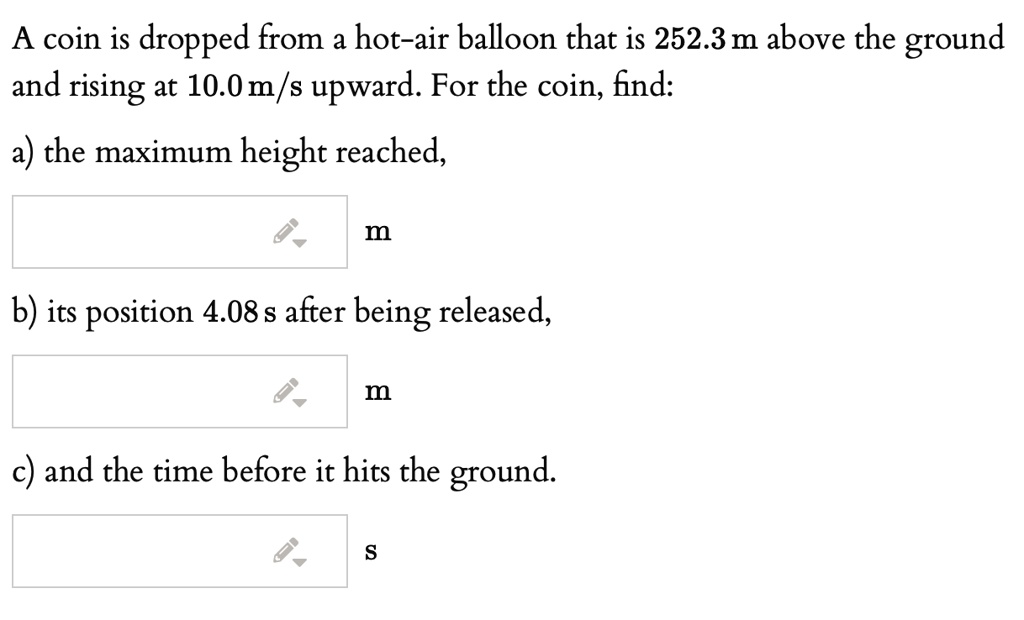
I bet there are complex equations to figure it out. But who has time for that? Especially when you're floating in a hot air balloon.
Plus, imagine the look on a scientist's face if you told them you were conducting this experiment. Priceless!
The Moral of the Story?
Don't drop coins from hot air balloons. It's probably littering. And a waste of perfectly good pocket change.
Also, physics is weird. And the world is a chaotic place. Embrace the randomness!
Unless you're really, really good at predicting wind patterns. Then, go for it. But film it for YouTube, okay? For science.
The Real Reason I Wrote This
Honestly, I just wanted to make you think about something silly for a few minutes.
Life's too short to be serious all the time. Sometimes you just need to ponder the trajectory of a falling coin.
So, the next time you're up in a hot air balloon (or just walking down the street), remember this: even the smallest things are affected by the world around them.
And maybe pick up that penny for good luck. You never know where it's been.
And the next time you hear about the Newton's law, consider the possibility that air drag may ruin everything.
So, let's all agree that the falling coin's journey is a lot more complicated than we might think.