
750 Ml Is How Many Liters

Ever stared bleary-eyed at a wine bottle after a long day, wondering just how much exactly is in that elegant glass vessel? You’re not alone! That magic number, 750 ml, is something we see often, especially if wine (or fancy olive oil, or perhaps even artisanal vinegar) is your jam. But how does it translate to something more…understandable? Let’s get to the bottom of it, shall we?
The Answer (Without Making You Do Math)
Alright, straight to the point: 750 ml is 0.75 liters. Boom. There you have it. But hold on! Before you click away thinking this is the most boring article you’ve ever encountered, let's explore why this seemingly insignificant number actually matters, and how it sneaks into our lives in the most unexpected ways.
Think of it this way: 0.75 liters is three-quarters of a liter. Imagine a giant soda bottle (the 1-liter kind). Now picture taking a good, solid swig – roughly a quarter of it – and then looking at what’s left. That’s about what you have in a standard wine bottle. Suddenly, those fancy French labels aren't so intimidating, are they?
Must Read
Why 750 ml? A Tale of Two Barrels (and Possibly Some Taxes)
The origin story of the 750 ml bottle is surprisingly murky, steeped in legend and a healthy dose of speculation. One popular theory involves good ol' British Imperial units and how they interacted (or rather, didn't) with the Continent's metric system. It's said that wine was traditionally shipped in barrels, and 225-liter barrels were quite common.
Here's where it gets interesting. Apparently, one barrel (225 liters) could conveniently be divided into 300 bottles of 750 ml each. This supposedly made calculations easier for wine merchants importing and exporting the stuff. Whether it's entirely true or a convenient myth, the 750 ml size stuck!
Another, perhaps more cynical, theory involves taxes. Some believe the 750 ml size was subtly designed to maximize revenue for governments taxing alcohol. By settling on an odd size, it made calculating excise duties just a tad more complex, potentially squeezing out a little extra profit. Shady? Maybe. Effective? Clearly!
750 ml Beyond the Bottle: Sneaky Appearances
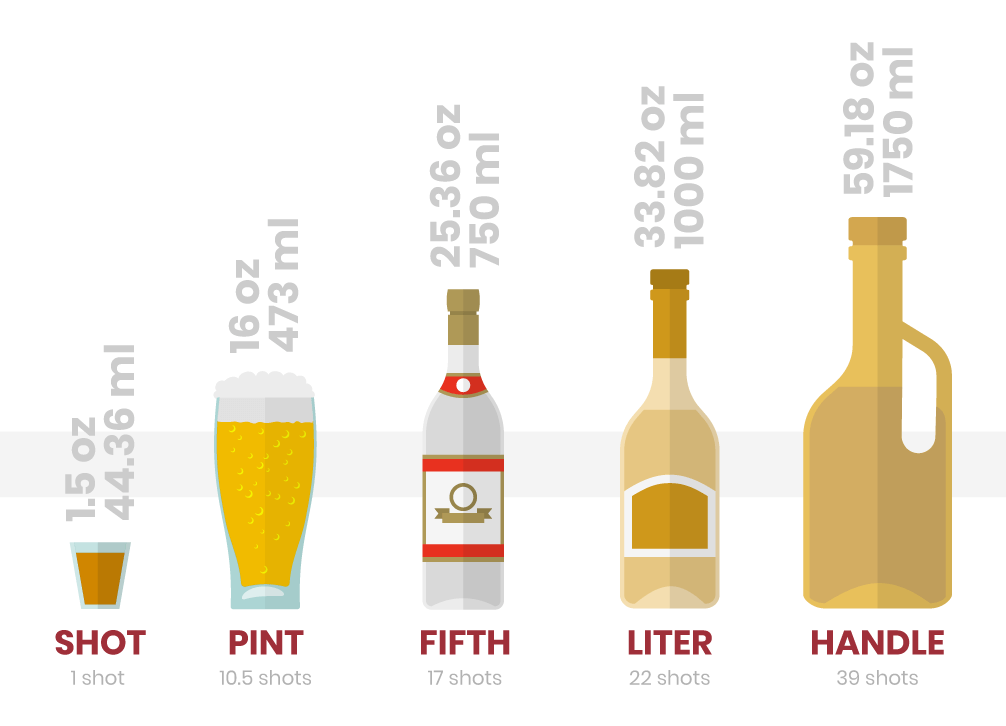
Once you start looking, you’ll find 750 ml cropping up in all sorts of places. It's the standard size for many liquor bottles, sure, but think beyond the booze! High-end olive oils, balsamic vinegars, and even some specialty syrups often come in 750 ml containers. Why? Because it's a size we, as consumers, are already familiar with, subconsciously associating it with quality and value.
/SPR_761232-how-many-shots-in-a-bottle-5ad7b204ae9ab80038fc0345.png)
Imagine yourself browsing a gourmet grocery store. You see two bottles of truffle oil. One is 500 ml and the other is 750 ml. Even if the smaller bottle seems cheaper at first glance, your brain might subtly nudge you towards the larger 750 ml bottle, thinking you're getting a better deal. Sneaky, right?
The Final Sip: A Little Knowledge is a Powerful Thing
So, the next time you raise a glass (of wine, olive oil, or your preferred 750 ml concoction), remember this little journey. It’s more than just a number; it’s a historical artifact, a testament to trade, and maybe even a carefully calculated tax strategy. And, of course, it's a convenient way to hold just enough of your favorite things.

Cheers to 750 ml! May your bottles always be full, and your curiosity always piqued.
"Wine makes daily living easier, less hurried, with fewer tensions and more tolerance." - Benjamin Franklin (who probably knew a thing or two about 750 ml bottles)
