
75 Kva Transformer 480 To 208 Amps
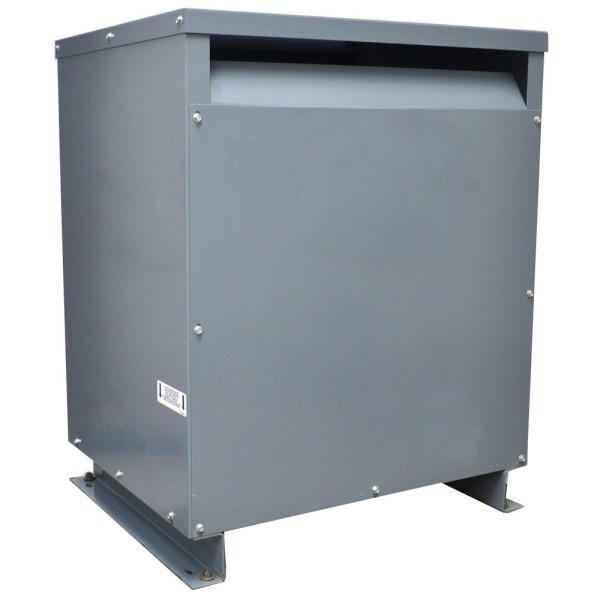
Ever wonder how that massive air conditioner keeps your office arctic in July, or how your favorite coffee shop can power a fleet of espresso machines without blowing a fuse? Chances are, a hardworking little (or not-so-little) gizmo called a transformer is to thank. And today, we're diving into one specific type: the 75 KVA transformer that steps 480 volts down to 208 volts. Buckle up; it's not as scary as it sounds!
Transformers: The Voltage Ninjas of the Electrical World
Think of a transformer like a translator between different electrical dialects. You’ve got 480-volt electricity – imagine it as a really loud, booming voice – and you need it to speak in a more polite, 208-volt whisper for your equipment. The transformer is the ninja, silently converting the energy while maintaining a usable amount of power.
Why the different voltages, you ask? Well, it’s like ordering a pizza. Sometimes you need a whole pie (480V – think industrial equipment), and sometimes you just need a slice (208V – smaller appliances, lighting, etc.). You wouldn't try to eat the whole pizza at once, would you? (Okay, maybe you would, but that's beside the point!).
Must Read
A 75 KVA transformer is basically a workhorse. The "KVA" stands for Kilovolt-Amperes, which is a measure of apparent power. Don’t let the technical terms intimidate you! Just think of it as a measure of how much electrical muscle this transformer can flex. 75 KVA is plenty for a small business, a section of a larger building, or even powering specific heavy-duty equipment.
480 to 208: The Voltage Down-Low
So, it takes 480 volts and steps it down to 208. Why? Well, North American power grids often use 480 volts for distribution because it's more efficient over long distances. Think of it like shipping a large container of energy. Then, when it gets close to where it's needed, the transformer acts like a local distribution center, breaking down the large container into smaller, more manageable packages of 208 volts.
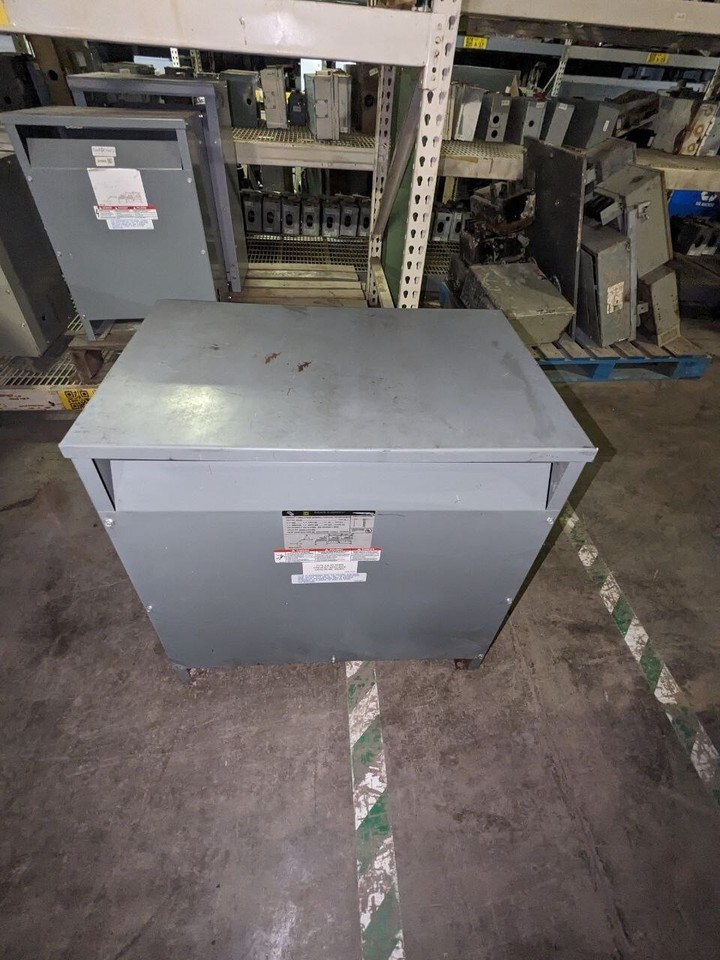
208 volts is a very common voltage for commercial and industrial applications. It's used to power things like:
- Air conditioning units (the ones that keep you from melting in summer)
- Commercial ovens (because nobody wants undercooked cookies)
- Machinery in workshops (the stuff that makes the magic happen)
- Large refrigerators (gotta keep that soda cold!)
- And much, much more!
Amps and How They Play the Game
Here’s where it gets a little more interesting. While the transformer is changing the voltage, it's also impacting the amps. Remember amps? They're like the flow rate of electricity. Think of a garden hose. Voltage is the water pressure, and amperage is how much water is flowing through the hose.

When you step down the voltage, you generally increase the amperage. It's like using a reducer on that garden hose – the pressure goes down, but the water really starts flowing out! With a 75 KVA transformer stepping down from 480V to 208V, you're effectively increasing the available amperage at the lower voltage. Which is precisely what's needed to reliably power that equipment.
Calculating the amperage is where it gets a little technical, but a good rule of thumb is to know your transformer's KVA rating and voltage. There are handy dandy calculators online that’ll do the math for you, so no need to dust off your old trigonometry textbook.
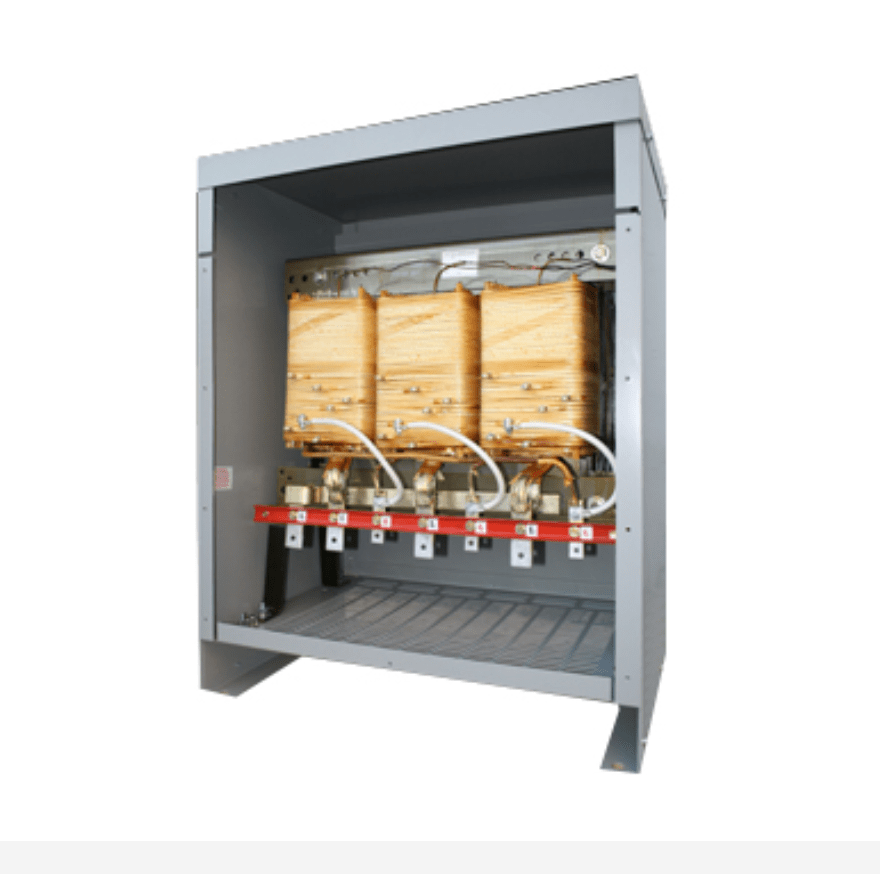
In Conclusion: Transformers are the Unsung Heroes
So, next time you're enjoying a perfectly brewed latte, or basking in the cool air of your office, remember the 75 KVA transformer (or its bigger/smaller sibling) working tirelessly behind the scenes. They may not get the spotlight, but they're essential for keeping our modern world humming along smoothly. They are the unsung heroes of the electrical grid, keeping the lights on and the coffee brewing!
And hey, now you can impress your friends with your newfound knowledge of voltage transformation. Just don't blame us if they start zoning out mid-explanation!
