7 Billion Divided By 1 Million

Ever feel overwhelmed by big numbers? We hear about billions all the time – population figures, national debts, corporate profits. But sometimes, those numbers feel so vast, they lose all meaning. That's why it can be incredibly useful, and even a little fun, to break them down into more manageable chunks. Today, let's explore what happens when we divide 7 billion by 1 million. It might sound simple, but the result can give us a fresh perspective on scale and proportion.
So, what's the point of doing this? Well, dividing large numbers like this helps us visualize and compare things. Think of it like this: 7 billion could represent the global population, and 1 million could represent the population of a medium-sized city. Dividing them helps us understand how many "city-sized" units are contained within the global population. It's all about creating relatable mental images.
The benefit is clear: it helps us grasp the magnitude of these figures. Instead of just hearing "7 billion" and letting it wash over us, we can actively engage with the number and understand its relationship to smaller, more familiar quantities. This can be especially helpful when trying to understand things like resource allocation, social statistics, or even just the sheer size of certain industries.
Must Read
Now, let’s think about some practical examples. Imagine a school district trying to allocate funds. They have a total budget of $7 billion and 1 million students. Dividing the budget by the number of students tells them how much money is available per student. This makes the large budget figure much more understandable in terms of the individual needs of the students. Or, consider a company with $7 billion in revenue that wants to give a $1 million bonus to each of its employees. The calculation shows them how many employees could receive that bonus.
In daily life, you might use this kind of calculation when thinking about charities. If a major charity has raised $7 billion, and they aim to impact the lives of 1 million people, dividing the total funds by the number of people they want to help gives you a sense of the average amount spent per person. This can help you assess the effectiveness of the charity.
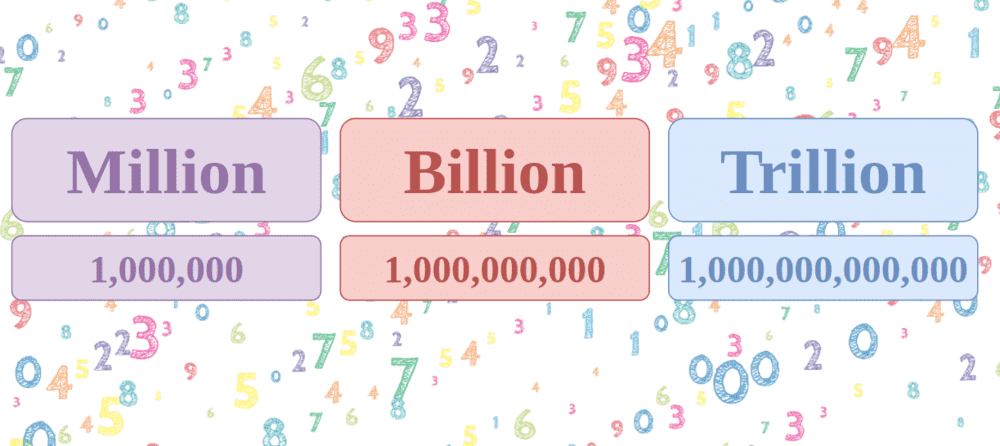
Exploring this further is easy! Grab a calculator (or your phone's calculator app), and start playing around with different large numbers. Try dividing the US national debt (which is in the trillions!) by the US population (around 330 million). What does that tell you? You can also explore smaller scales. Divide your state's budget by the number of residents. The key is to find large numbers that are relevant to you and then find a smaller "unit" to divide by.
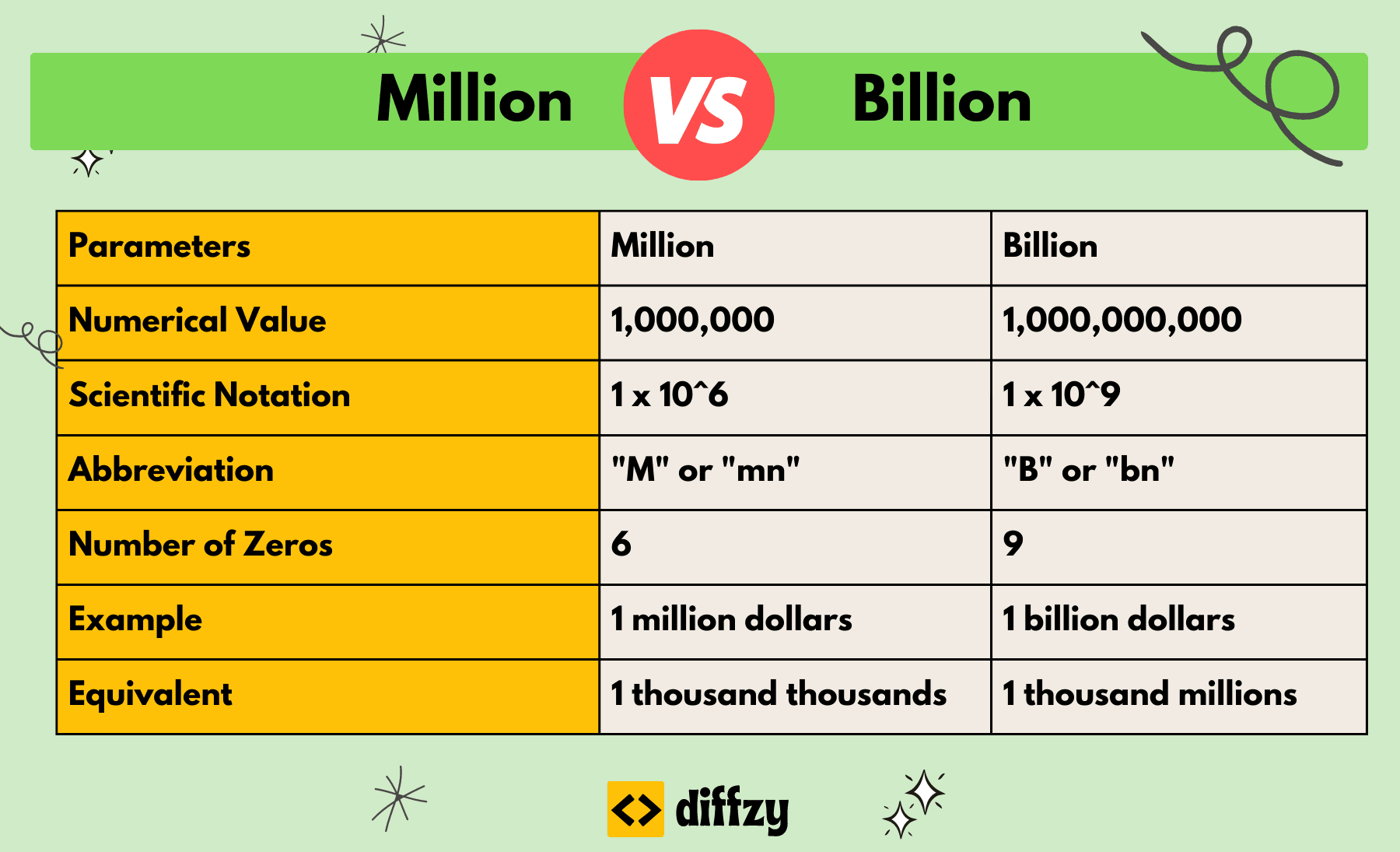
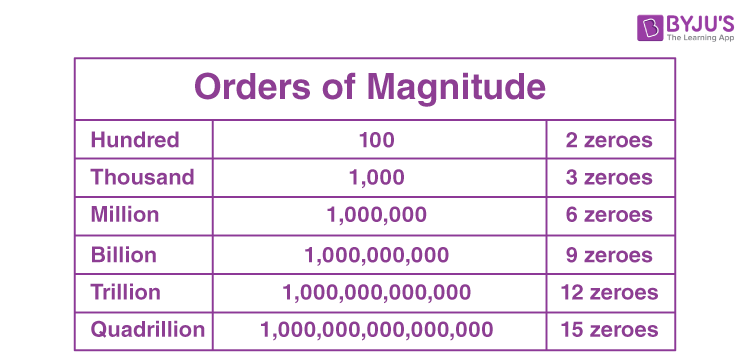
Ultimately, 7 billion divided by 1 million equals 7,000. That seemingly simple calculation translates to understanding how many groups of one million are within seven billion. It's a fundamental concept for comprehending scale and building a more informed understanding of the world around us. So, don't be afraid of those big numbers – embrace the power of division!