
5.1 Percent Increase And Decrease Answers
Alright, settle in, folks! Grab your lattes, your weirdly-shaped muffins, and let's talk about something that sounds terrifying but is actually...well, still a little terrifying: 5.1 percent increases and decreases. Don't run away! I promise, it's not as painful as watching your avocado turn brown overnight.
We've all been there. Staring at a headline that screams, "Inflation jumps 5.1%!" or "Unemployment dips 5.1%!" And what do we do? We either panic-buy toilet paper (again?) or just numbly scroll on, hoping it'll all magically sort itself out. But fear not, my friends! Understanding these little percentage shifts is easier than parallel parking (okay, maybe not that easy, but close!).
The Dreaded Increase
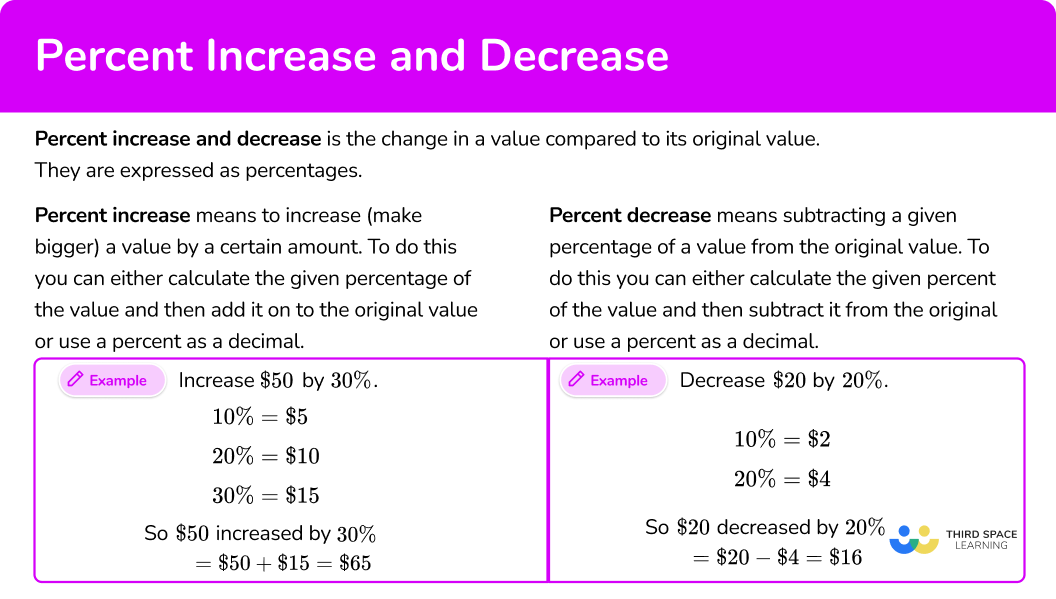
Let's tackle the increase first. Imagine you're selling artisanal cat sweaters. Last year, you sold 100 of these furry fashion masterpieces. This year, BOOM! Sales are up 5.1%! That means you sold an extra 5.1 cat sweaters. Now, you can't exactly sell 0.1 of a cat sweater (unless you're going for a truly avant-garde look), so we round it down to 5. You sold 105 cat sweaters! Congratulations, you're basically the Karl Lagerfeld of feline knitwear.
Must Read
How did we do that? Simple! We took the original number (100), multiplied it by 0.051 (that's 5.1% as a decimal), and added the result back to the original number. Formula: Original Value + (Original Value * 0.051) = New Value. Easy peasy, lemon squeezy!
Think of it like this: you found a dollar on the street, and then a magical leprechaun appeared and increased your dollar by 5.1%. You're now richer than you were before (though still probably not rich enough to buy a yacht). The point is, increases are good! Unless it's the number of squirrels in your attic. Then, that 5.1% increase is a certified nightmare.
The Dismal Decrease
Okay, brace yourselves. Now we're going to talk about decreases. Maybe those cat sweater sales took a hit because everyone realized cats secretly prefer wearing tiny sombreros. Let's say your initial 100 sweater sales dropped by 5.1%. Oh no!
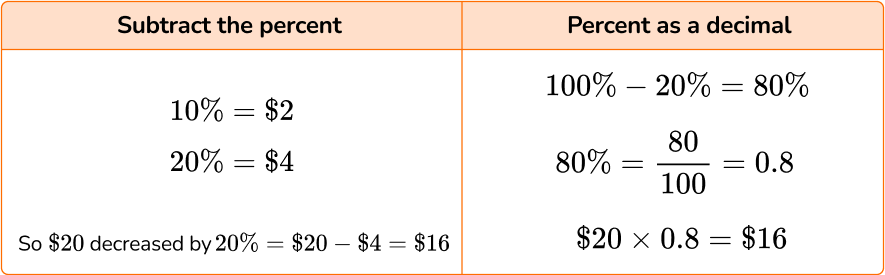
That means you sold 5.1 fewer sweaters, bringing your total down to…well, around 95 (specifically, 94.9). Time to start thinking about diversifying your product line. Perhaps tiny dog tutus?

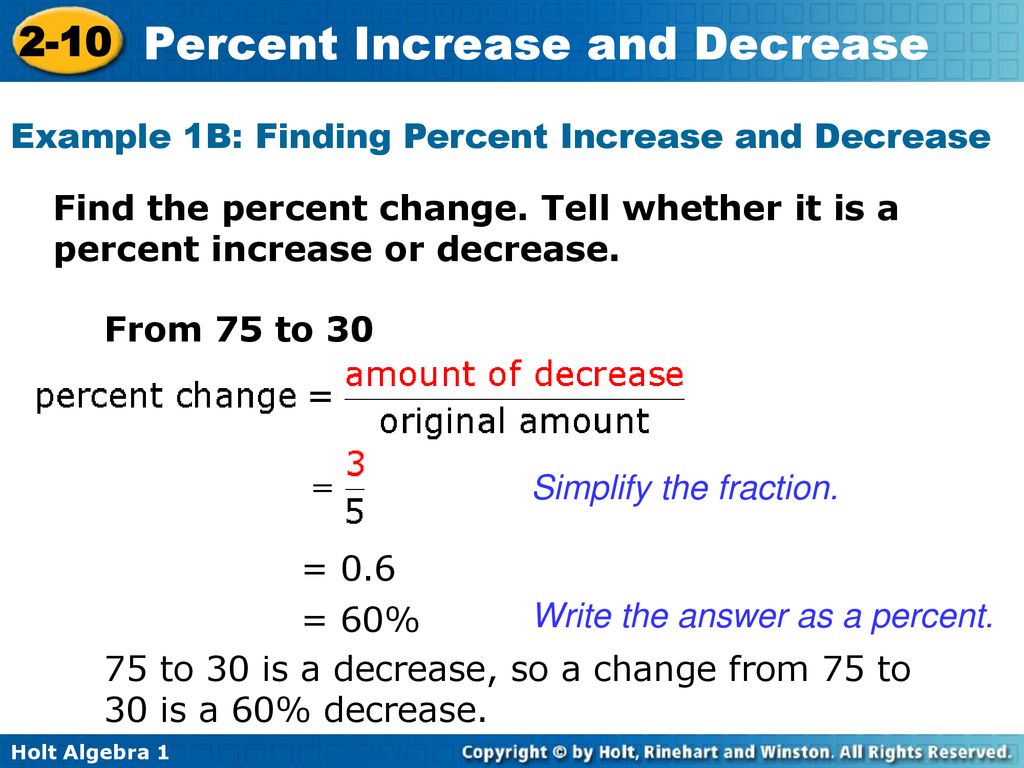
The formula is very similar to the increase calculation, just with a subtraction sign instead of an addition sign. Original Value - (Original Value * 0.051) = New Value. So, we're subtracting 5.1% of the original value from the original value.
It's like your bank account. You have a certain amount of money, and then...BAM! That 5.1% comes along like a ninja and steals a little bit. Decreases are generally not ideal, unless it's the amount of time you spend watching reality TV. A 5.1% decrease in that is a personal victory!
Why 5.1%? Why Not 5% or 6%?
Excellent question, hypothetical person in the café! Why 5.1%? Well, because the universe loves to throw us curveballs. Real-world data is rarely neat and tidy. It's messy, like a toddler eating spaghetti. A 5.1% change is a very specific change and the difference between 5% and 5.1% can seem small but across millions/billions, that difference can be substantial.

Imagine you're measuring the growth of bacteria in a petri dish. A 5% increase might seem okay, but a 5.1% increase could mean the difference between a manageable science project and a full-blown biohazard situation. (Okay, maybe a slight exaggeration, but you get the idea!).
Real-World Examples (That Aren't Cat Sweaters)
Let's move beyond the whimsical world of feline fashion and look at some real-world applications of these percentage changes:
- Inflation: A 5.1% increase in inflation means that, on average, goods and services cost 5.1% more than they did last year. Ouch!
- Interest Rates: If interest rates on your loan increase by 5.1%, you'll be paying more money each month. Double ouch!
- Sales Tax: A decrease of 5.1% in sales tax means you'll pay a little less for that giant inflatable unicorn you've been eyeing. Hooray!
- Your Salary: A 5.1% increase in your salary means…well, it means you can finally afford that extra-large latte with the caramel swirl. Treat yourself!
The Takeaway: Don't Panic!
So, the next time you see a headline blaring about a 5.1% increase or decrease, don't panic. Just remember the cat sweaters, the leprechauns, and the tiny dog tutus. Understand the basic formulas, and you'll be well on your way to deciphering the mysteries of the economic universe. And if all else fails, just blame the squirrels.
And hey, even if you don't remember all this, at least you had a good laugh (hopefully). Now, if you'll excuse me, I'm going to go patent my line of squirrel-proof cat sweaters. It's a niche market, I know, but I have a feeling it's about to explode...by at least 5.1%!
Disclaimer: No actual cats were harmed (or forced to wear sweaters) in the making of this article.