
5000 Btu Window Air Conditioner Wattage
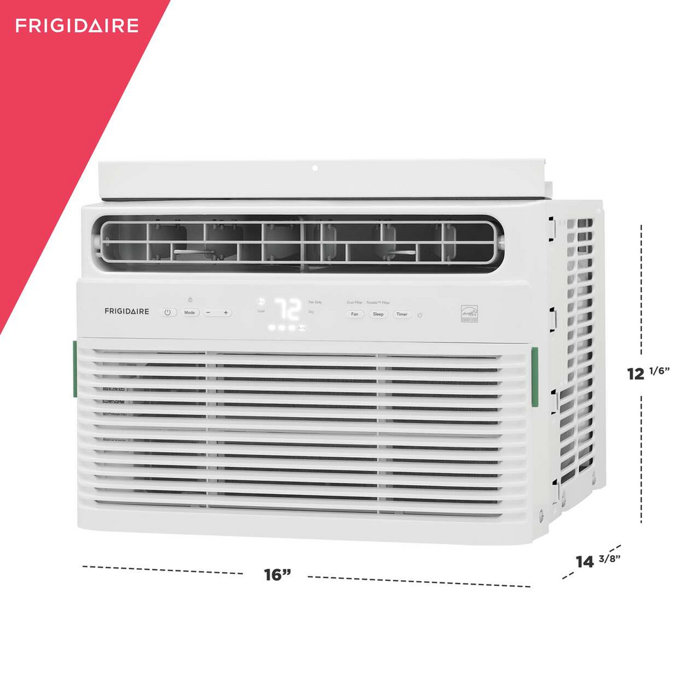
Okay, folks, let's dive into the fascinating world of 5000 BTU window air conditioners! We're talking about staying cool, staying comfy, and, most importantly, understanding what that little box of frosty air is doing to your electricity bill. Get ready, because we're about to unravel the mystery of its wattage!
Understanding the Basics: BTUs and Watts
First, let's quickly decode the jargon. BTU stands for British Thermal Unit. Think of it as a measurement of how much heat your AC can banish from a room in an hour.
The higher the BTU number, the more powerful the cooling. Watts, on the other hand, measure the electrical power the air conditioner consumes.
Must Read
So, How Many Watts Does a 5000 BTU AC Unit Use?
Here's the juicy part: a 5000 BTU window air conditioner typically sucks up somewhere between 450 and 550 watts. It's like the Goldilocks of AC units – not too power-hungry, not too wimpy!
But remember, that's just a general range. The exact wattage can depend on several factors.
Factors Affecting Wattage: It's Not One-Size-Fits-All!
Just like snowflakes, no two air conditioners are exactly alike. Several factors can influence how many watts your 5000 BTU hero is using.
Let’s uncover them one by one!
Efficiency is Key: EER to the Rescue!
The EER, or Energy Efficiency Ratio, is your best friend when choosing an AC. It's like the report card for energy consumption!
A higher EER means the unit is more efficient and uses fewer watts to produce the same amount of cooling.
Units with a higher EER rating will generally cost more upfront, but you'll save money on your energy bills in the long run. So, keep an eye on that EER!
The Star Power: Energy Star Certification
Look for the Energy Star label! It's like a superhero badge for energy-efficient appliances. This certification ensures the unit meets strict guidelines set by the EPA.
Energy Star certified air conditioners are designed to use less energy and save you money. These units can use significantly less power than their non-certified counterparts.
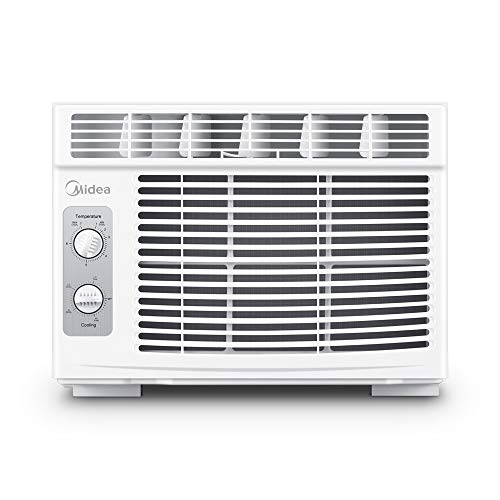
So, keep an eye out for that shiny little star!
Age Matters: Vintage vs. Modern
Just like a classic car, older air conditioners can be charming, but they're often less efficient. Technology has come a long way!
Newer models are designed with energy-saving features that weren't even a twinkle in an engineer's eye back in the day. Older units simply lack the advanced components and optimized designs that make modern ACs so efficient.
If you're rocking a vintage AC from the disco era, it might be time to consider an upgrade. Your wallet will thank you!
Settings and Usage: The Power of Control
How you use your air conditioner also plays a big role in its energy consumption. Cranking it up to Arctic blast all day long will obviously use more power than setting it to a reasonable temperature.
Features like eco-mode, timers, and sleep settings can help you regulate your usage and save energy. Set a timer, and let it work only when you’re at home.
Think of these settings as your secret weapons in the battle against sky-high electricity bills!
Room Size and Insulation: A Match Made in Heaven (or Hell)
Even a 5000 BTU air conditioner has its limits. If you're trying to cool a massive room with poor insulation, it's going to work overtime and guzzle energy like there's no tomorrow.
Make sure your room size is appropriate for the BTU rating of your AC. And consider improving your insulation to keep the cool air in and the hot air out.

It's like putting a cozy blanket around your room – it'll help your AC work less hard to maintain a comfortable temperature.
Calculating the Cost: Let's Talk Money!
Okay, now for the fun part: figuring out how much all this cooling is actually costing you. Don't worry; it's not as scary as it sounds!
To calculate the cost, you'll need to know your electricity rate (check your bill!), the wattage of your AC, and how many hours you plan to run it per day.
Here's the formula: (Wattage / 1000) x Hours Used x Electricity Rate = Daily Cost. Prepare to be amazed (or slightly horrified)!
Example Time: A Hypothetical Scenario
Let's say your 5000 BTU air conditioner uses 500 watts, you run it for 8 hours a day, and your electricity rate is $0.15 per kilowatt-hour (kWh).
Plugging those numbers into the formula: (500 / 1000) x 8 x $0.15 = $0.60 per day. That's not bad!
Of course, this is just an example. Your actual cost may vary depending on your specific circumstances.
Tips for Saving Energy (and Money!)
Want to keep your electricity bill in check while still enjoying a cool and comfortable home? Of course, you do!
Here are a few simple tips to help you save energy and money.
![LG 5000 BTU Window Air Conditioners [2023 New] Easy Mechanical Control](https://m.media-amazon.com/images/I/71MmceysETL.jpg)
Seal the Deal: Stop Air Leaks!
Drafts are your air conditioner's worst enemy. They let precious cool air escape and allow hot air to sneak in.
Seal any cracks or gaps around windows and doors with weather stripping or caulk. It's a simple and inexpensive way to improve your home's energy efficiency.
Think of it as building a fortress to protect your cool air from the evil clutches of the outside heat!
Embrace the Shade: Block the Sun!
The sun is a powerful source of heat, especially during the summer months. Blocking it out can significantly reduce your air conditioning load.
Close curtains, blinds, or shades during the hottest part of the day. You can also plant trees or install awnings to provide shade for your home.
It's like giving your air conditioner a much-needed vacation!
Fan-tastic Savings: Use Fans Wisely!
Fans don't actually cool the air, but they can make you feel cooler by circulating air and evaporating sweat. And they use way less energy than an AC!
Use ceiling fans or portable fans in conjunction with your air conditioner to improve air circulation and lower your thermostat setting. You might be surprised how much of a difference it makes!
Think of them as your air conditioner's sidekicks, working together to keep you cool and comfortable.

Maintenance Matters: Keep it Clean!
A dirty air conditioner is an inefficient air conditioner. Dust and debris can clog the filters and coils, making it harder for the unit to cool your home.
Clean or replace your air conditioner's filter regularly (usually every month or two). Also, consider having a professional clean the coils at least once a year.
It's like giving your air conditioner a spa day – it'll thank you with improved performance and energy efficiency!
Smart Thermostats: The Future is Now!
Consider investing in a smart thermostat. These devices can learn your preferences and automatically adjust the temperature to save energy when you're not home. Smart Thermostats, such as Nest or Ecobee, are great investments.
They can also be controlled remotely via your smartphone, so you can adjust the temperature even when you're not at home. It's like having a personal climate control assistant!
Smart thermostats are the ultimate in energy-saving convenience.
The Bottom Line: Be Cool, Be Smart!
So, there you have it! The world of 5000 BTU window air conditioner wattage, demystified! We've explored the factors that influence energy consumption, calculated the cost, and shared tips for saving energy and money.
Remember, staying cool doesn't have to break the bank. By understanding your air conditioner's wattage and taking steps to improve energy efficiency, you can enjoy a comfortable home without blowing a fuse on your electricity bill.
Now go forth and conquer the heat! And remember to always stay cool, both literally and figuratively.