
5 Types Of Barriers To Effective Communication
Ever feel like you're speaking a different language, even when you're using the same words? Communication, the art of sharing thoughts and ideas, can be a tricky dance. But don't worry, it's not always about hidden agendas or secret codes. Often, it's about simple barriers that we can easily overcome! Understanding these barriers is like having a cheat sheet for better conversations, stronger relationships, and smoother interactions, whether you're chatting with your family, presenting at work, or just trying to explain your latest hobby to a friend.
Why is this information useful? For beginners, it's a foundational understanding of how communication can break down. For families, it's a tool to improve understanding and reduce conflict. And for hobbyists (like that knitting group or gaming clan), it's a way to collaborate more effectively and share your passion with others.
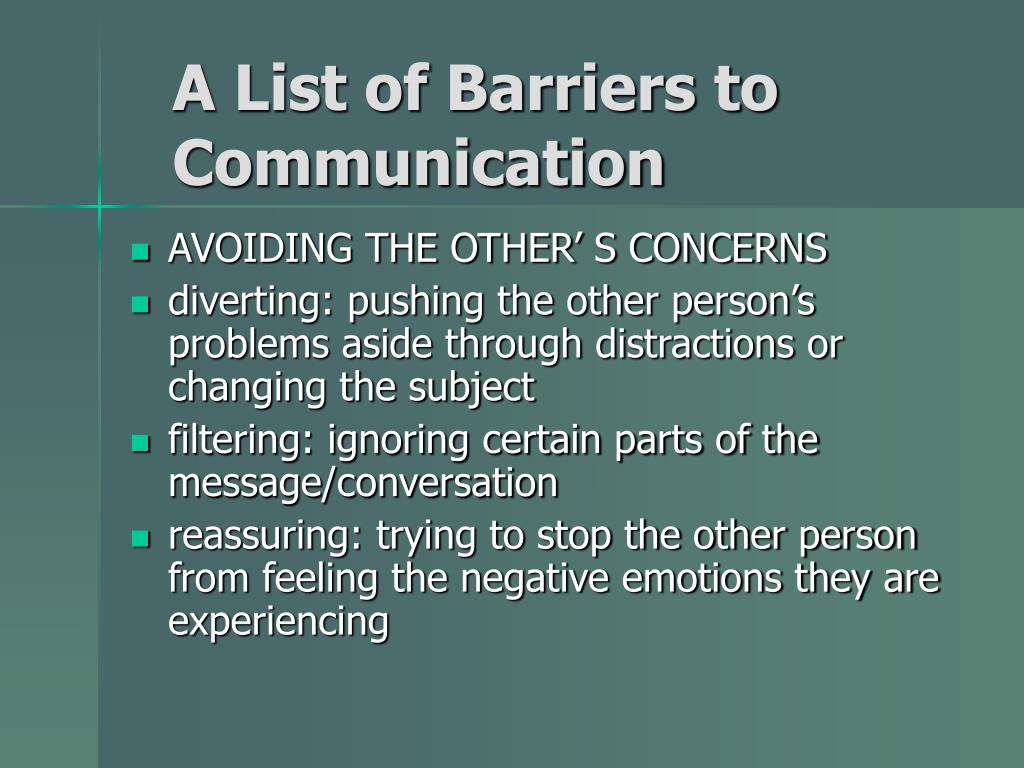
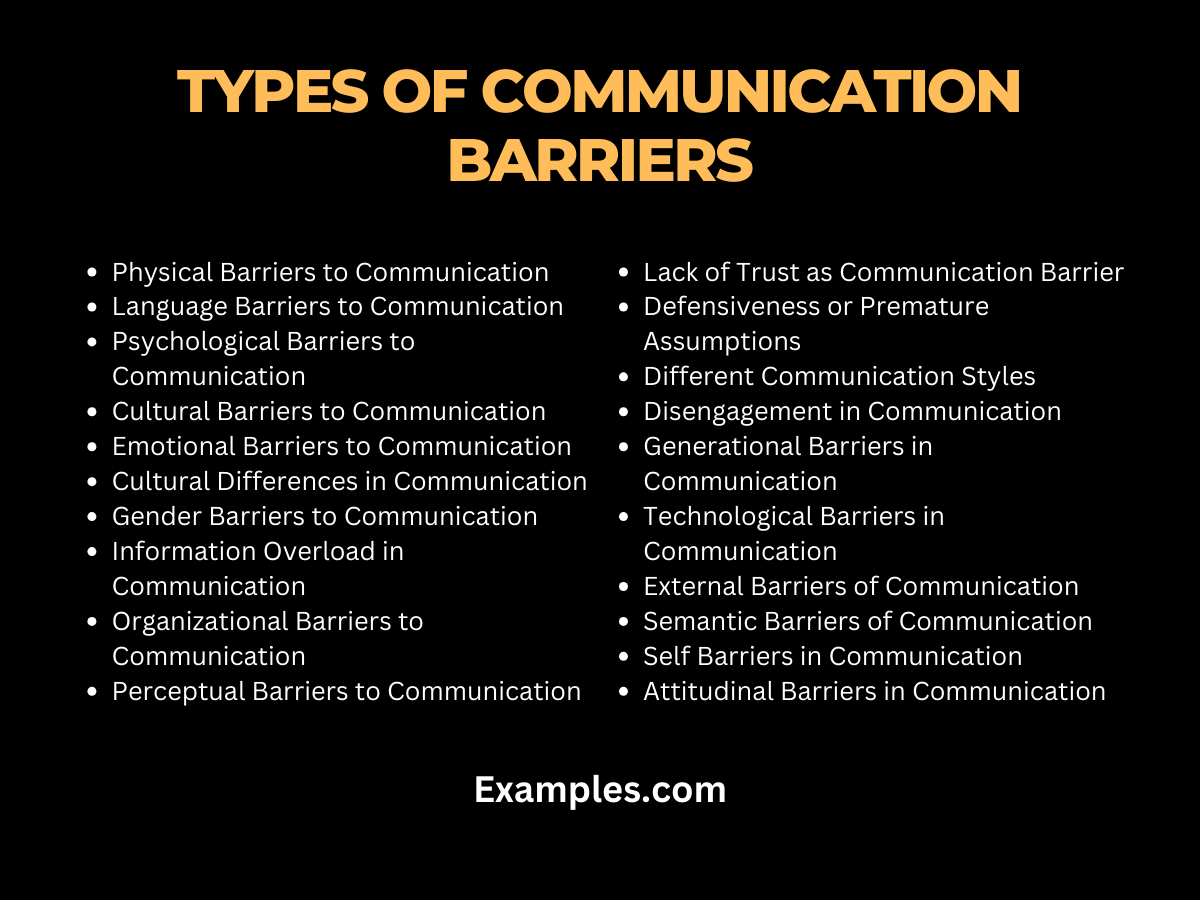
Let's dive into five common barriers to effective communication:
Must Read
1. Physical Barriers: Think literal obstacles. This could be anything from noise pollution in a busy coffee shop to a bad phone connection or even physical distance. Imagine trying to have a heart-to-heart with your partner at a loud concert. Not ideal, right? A variation might be visual impairments that limit access to written communication.
Tip: Find a quiet space, use visual aids if helpful, or adjust your communication method to overcome these hurdles.
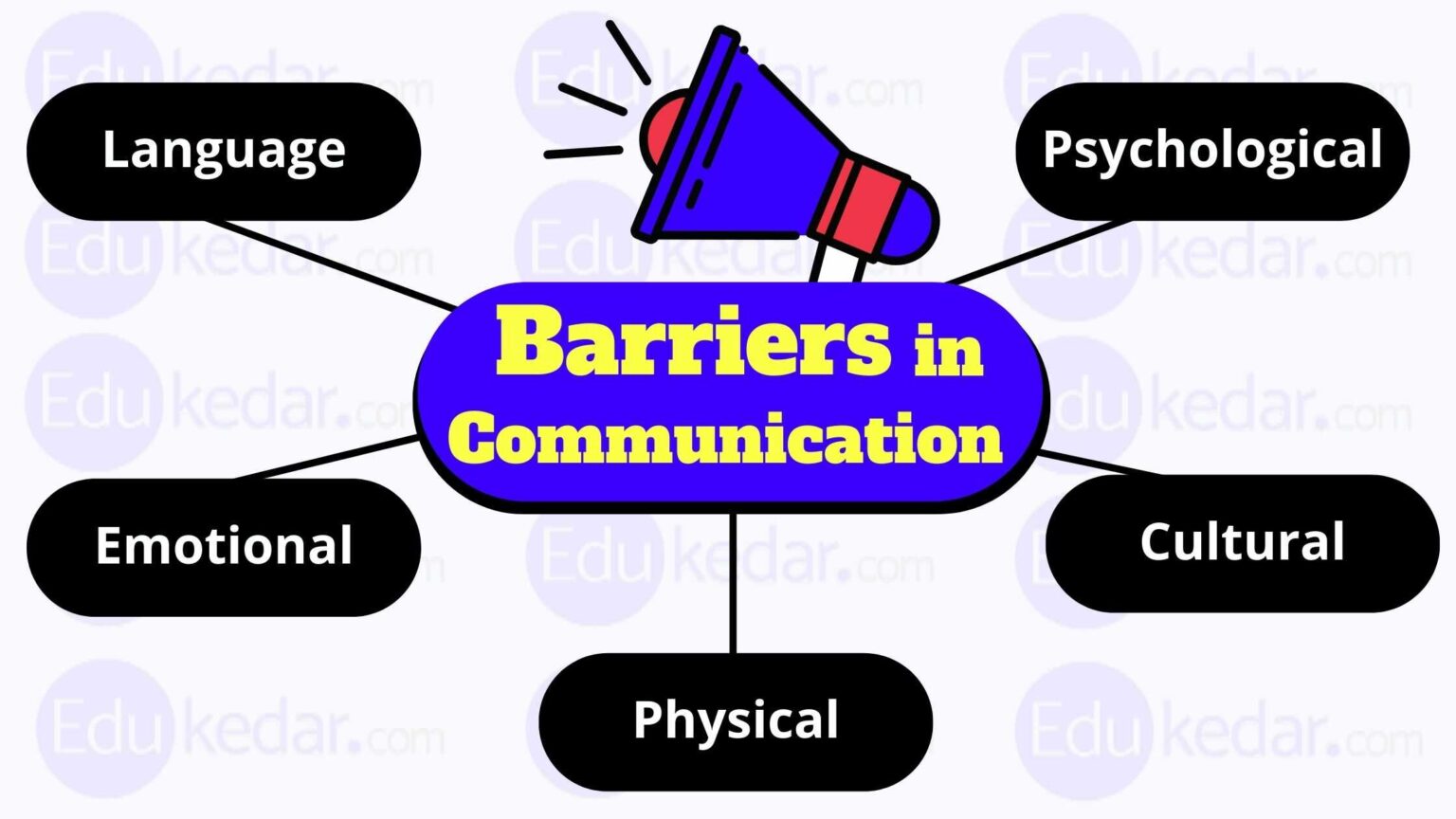
2. Psychological Barriers: These are the mental blocks that prevent us from truly listening. Preconceived notions, biases, and assumptions fall into this category. For example, if you already believe someone is "difficult," you might interpret their words negatively, even if they're being reasonable. Another common variation is a lack of trust – if you don't trust the speaker, you're less likely to accept their message.
Tip: Try to approach conversations with an open mind, actively listen to understand their perspective, and challenge your own assumptions.
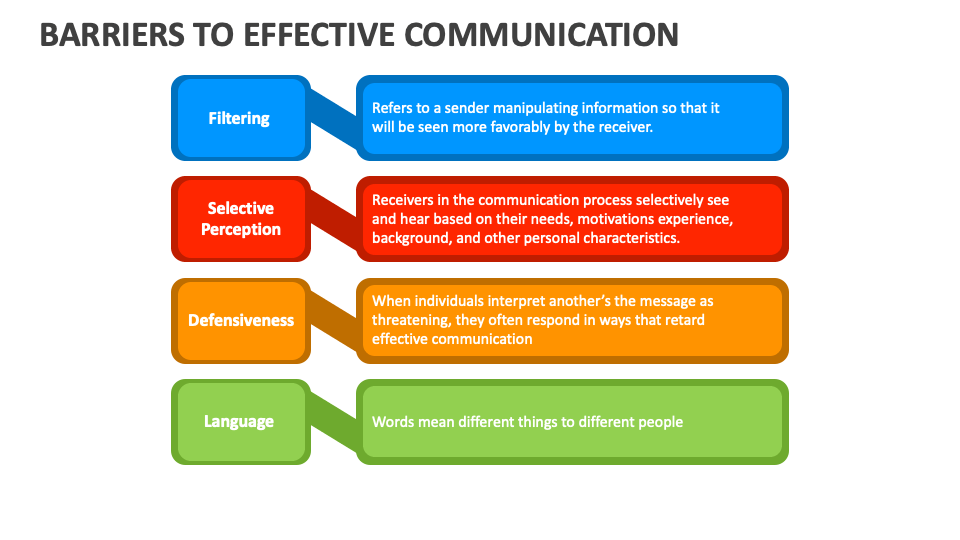
3. Language Barriers: This isn't just about speaking different languages. It also includes jargon, technical terms, or slang that the other person doesn't understand. Think about a doctor explaining a diagnosis using complex medical terminology to someone with no medical background. Or trying to explain the rules of cricket to someone who's never heard of it!
Tip: Use clear, simple language and avoid jargon. Ask if the other person understands, and be prepared to explain things in different ways.
4. Emotional Barriers: Our emotions can heavily influence how we communicate. Being angry, stressed, or anxious can cloud our judgment and make it difficult to listen effectively or express ourselves clearly. For example, trying to have a serious discussion when you're both exhausted and irritable is likely to end in frustration.
Tip: Take a break if you're feeling overwhelmed. Wait until you're calmer to have important conversations.
5. Cultural Barriers: Different cultures have different communication styles. What's considered polite in one culture might be offensive in another. Directness vs. indirectness, eye contact, personal space – these can all vary widely. Imagine a misunderstanding arising because one person expects a direct, assertive approach while the other values a more indirect and deferential style.
Tip: Be aware of cultural differences and try to be sensitive to the other person's communication style. Do some research beforehand if you're interacting with someone from a different culture.
Getting started is easy! Simply be more conscious of these barriers in your everyday interactions. Observe how they affect your own communication and the communication of others. Practice active listening, ask clarifying questions, and be willing to adjust your approach to ensure everyone is on the same page. You'll be surprised how much smoother your conversations become!
Understanding these barriers isn't just about being a better communicator; it's about building stronger relationships, fostering deeper understanding, and creating a more positive and collaborative environment, whether at home, at work, or in your favorite hobby group. So, embrace the challenge, and enjoy the rewards of more effective and meaningful communication!