5 Chirps On Carbon Monoxide Detector
You're curled up on the couch, maybe halfway through that gripping new streaming series or finally nailing that tricky guitar chord. Life is good, peaceful, almost… serene. And then, from the ceiling, from that little plastic gadget you haven't thought about since you installed it (or moved in!), comes a tiny, insistent concert of chirp-chirp-chirp-chirp-chirp! Five little peeps, just like clockwork, every minute or so, demanding attention like a diva at a quiet library. Your heart might do a little jig of panic. Invisible gas? Am I doomed? But hold your horses, safety hero! Because those five little chirps on your carbon monoxide detector? They’re usually less of a frantic alarm bell and more of a polite (if slightly annoying) request for retirement paperwork.
The Mystery of the Five Peeps, Solved!
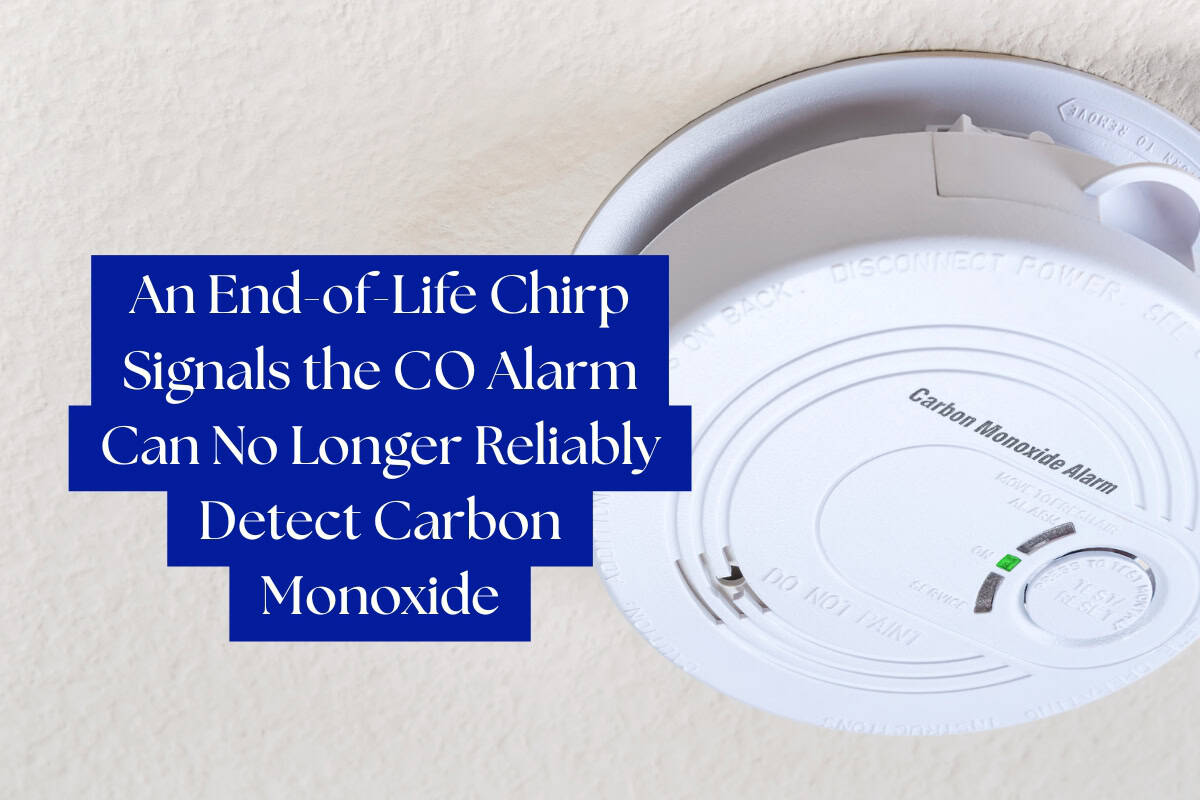
Let's clear the air right away. When your carbon monoxide (CO) detector starts doing its five-chirp serenade, it's almost certainly not yelling, "Emergency! Invisible poison gas! Run for your lives!" Nope. In the grand scheme of CO detector signals, five chirps typically mean one very important, but non-panic-inducing, thing: your trusty guardian angel is telling you it’s time to say goodbye. It’s reached its end-of-life. Think of it like your trusty old smartphone. After a few years, it starts getting a bit sluggish, the battery drains faster, and it just can't keep up with the new apps. Your CO detector is doing the exact same thing, just with more urgent little beeps instead of a lagging screen.
"Those five chirps are your detector's way of saying, 'I've served my time, and now I'm ready for a well-deserved rest. Please replace me!'"
Why Five? Why Not One, Or A Full-Blown Opera?
Good question! While the actual CO alarm is a loud, continuous, ear-splitting siren that means "GET OUT NOW!", the five-chirp signal is a standardized, industry-wide way for the device to communicate its impending expiration. Most carbon monoxide detectors have a lifespan of about five to seven years. After this time, the internal sensors can degrade, becoming less reliable. So, those five chirps are essentially a countdown, a gentle nudge from your device saying, "Hey, remember me? I'm getting old, and I want you to stay safe, so let's get a fresh face up here." It’s a genius bit of engineering, really, ensuring you're protected even when the device itself is past its prime.
Your Super Simple Action Plan (No Capes Required!)
So, you’ve got the five-chirp orchestra going on. What now? Don't fret, it’s easier than assembling IKEA furniture blindfolded! Here’s your stress-free guide:
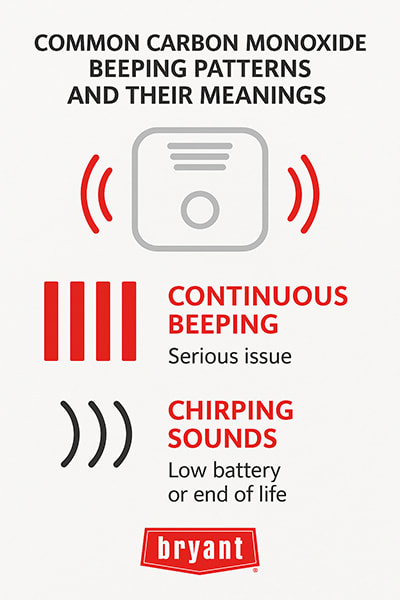
- Consult the Manual (If You Can Find It): This is always a good first step, just to confirm. While five chirps almost universally means end-of-life, it’s always wise to double-check your specific model's instructions. Who knows, maybe yours is a quirky individualist with its own chirp-code!
- Check the Batteries (Just in Case): Some units might chirp for low batteries (though usually, that's a single chirp, not five). It's a quick fix if it's just the battery, but generally, five chirps point to more than just a power nap. Even hard-wired units often have battery backups that need checking.
- The Big One: Replace the Unit! This is almost certainly the answer. And here’s the fun part: you get to upgrade! Technology marches on, and new detectors might have extra features, better designs, or just a fresh, enthusiastic sensor ready to guard your home for another half-decade. It's a small investment for a giant heap of peace of mind.
Celebrate Your Safety Savvy!
Honestly, getting that five-chirp signal isn’t a moment for dread; it’s a moment for a tiny fist-pump! Why? Because it means your safety system is working exactly as it should. It’s proactively telling you it’s time for an upgrade, before it potentially loses its ability to detect the silent, odorless, colorless threat that is carbon monoxide. You just averted a potential future issue with zero drama, thanks to a very talkative little gadget.
So, the next time those five chirps start up, don't panic. Smile! Your detector isn't crying wolf; it's simply informing you it's time for a well-deserved retirement party and a shiny new replacement. Go ahead, replace it, and then get back to that streaming series, knowing your home is safe and sound. You're not just a resident; you're a safety manager, a home guardian, and a master of the carbon monoxide chirp code!