
3d Printers How Do They Work
Imagine you have a fantastic idea in your head. Maybe it's a quirky little figurine, a custom phone holder, or even a replacement part for something broken. What if you could just press a button and poof it appears right in front of you?
Well, that's pretty much the magic of 3D printing! It's like having a superpower that lets you bring digital dreams into the real world. No, it's not a wizard's spell, but it often feels like one.
The Big Reveal: What is This Magic?
At its heart, 3D printing is a super cool way to make physical objects from a digital design. Instead of carving away material, these machines build things up. They create objects, as if from nothing, right before your eyes.
Must Read
It’s a process called additive manufacturing. Don't let that fancy name scare you! It just means adding material, piece by tiny piece, until your object is complete. Think of it like a highly precise robot chef building a cake one delicate layer at a time.
This isn't just for big factories anymore. Many people now have these amazing machines in their homes. They are unlocking incredible new ways to create, fix, and personalize almost anything.
From Idea to Object: The Journey
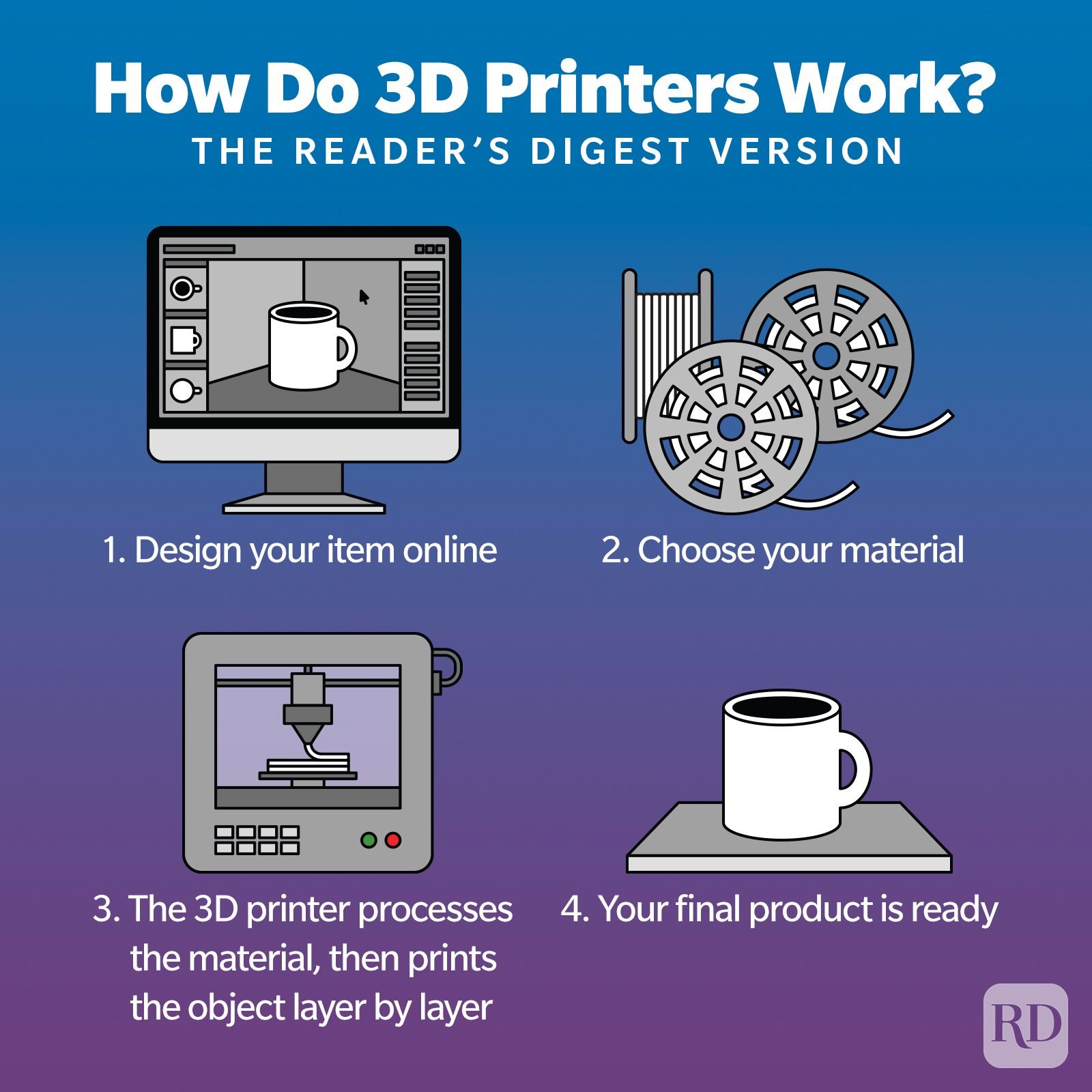
So, how does this digital dream actually become a tangible item? It all starts with a design. You need a digital blueprint, a 3D model, on a computer.
You can draw one yourself using special software. Or, you can find millions of ready-made designs online! Sites like Thingiverse are full of clever creations just waiting to be printed.
Once you have your digital design, the fun really begins. This 3D model needs to be prepared for the printer. It gets "sliced" into hundreds, even thousands, of super thin layers.

Imagine taking a loaf of bread and cutting it into many slices. That's what the software does, digitally. Each slice is a cross-section of your final object, a tiny instruction for the printer.
The Printer's Dance: Building Layer by Layer
Now for the really captivating part: watching the printer work! The printer takes these "slices" and builds them up, one by one. It's truly a sight to behold as your object slowly emerges.
Most common home 3D printers use a material called filament. This is usually a long string of plastic, often PLA or ABS, wound onto a spool. Think of it like a very thick fishing line.
The printer heats up this filament until it's soft and gooey. Then, a tiny nozzle moves around, extruding the melted plastic onto a build plate. It precisely draws the first "slice" of your object.
Once that first layer cools and hardens, the printer slightly raises its nozzle or lowers the build plate. Then, it draws the next "slice" directly on top of the first. This process repeats over and over again.
Layer upon layer, your object slowly grows upwards. It's a bit like watching a tiny bricklayer carefully place each brick to form a wall. But in this case, the "bricks" are incredibly thin lines of melted plastic.

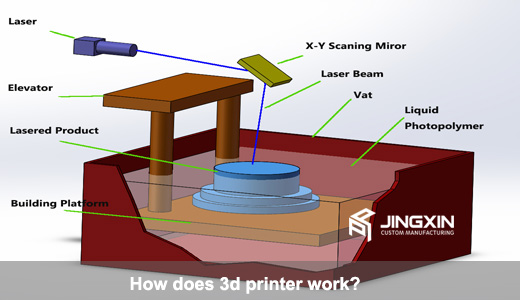
Different types of 3D printers might use other materials. Some use liquid resins that are hardened by a light. Others can even print with powdered metal or even food!
It's like seeing something materialize out of thin air, a physical manifestation of a digital thought!
Why It's So Entertaining and Utterly Special
Beyond the technical wizardry, there's a deep joy in 3D printing. It taps into our innate human desire to create and customize. It's not just a tool; it's a creative outlet.
One of the biggest thrills is simply watching it happen. The slow, methodical dance of the print head is mesmerizing. You see your idea slowly take shape, from a few lines to a recognizable form.
It's like getting to peek behind the curtain of creation itself. The anticipation as each layer is added is a unique kind of excitement. Will it work? Will it look exactly as I imagined?
Then there's the sheer power of bringing your own ideas to life. Have you ever wished for a specific board game piece? Or a unique holder for your gaming controllers? You can design it and print it!

The ability to personalize everything is a game-changer. Imagine making a gift for a friend with their name etched into it. Or creating custom awards for a local club. The possibilities for unique items are truly limitless.
It's also an incredible problem-solver. Did a tiny plastic hook break on your blender? Instead of buying a whole new appliance, you might be able to find a design online and print a replacement part. Talk about handy!
For kids and adults alike, 3D printing is a fantastic learning tool. It encourages creativity, teaches about design principles, and offers a hands-on introduction to engineering. It makes abstract concepts wonderfully tangible.
What Makes It Truly Unique?
Unlike traditional manufacturing methods, 3D printing doesn't need expensive molds or specialized tools for every new design. You can change your design on the computer, and the printer adapts instantly.
This freedom means you can create incredibly complex shapes. Intricate lattice structures, hollow designs within solid objects, or parts that interlock perfectly are all possible. Things that were once impossible to make are now within reach.
It's also great for rapid prototyping. This means you can quickly make a physical version of an idea, test it out, and then easily make changes if needed. This speeds up invention and innovation.
What was once a technology reserved for industrial giants is now becoming more accessible. The cost of printers has come down, making this incredible technology available to more and more enthusiasts.
The Future is Now (and Even Cooler)
The world of 3D printing is constantly evolving. Beyond plastic trinkets, 3D printers are now creating prosthetics, dental implants, and even models of organs for surgeons to practice on.
Some are printing entire houses! Others are experimenting with printing delicious food, layer by layer. The vision of a future where you can "print" almost anything you need might not be so far-fetched.
It's a technology that truly empowers the individual. It puts the tools of creation directly into your hands. Your imagination really is the only limit.
So, if you're feeling curious, take a peek online. Watch some videos of 3D printers in action. You might just find yourself captivated by this incredible, accessible magic.
Who knows what amazing things you might create? The journey from a digital idea to a physical object is waiting for you to explore. Dive in and start making!