3d Printer Filament By Hex Code
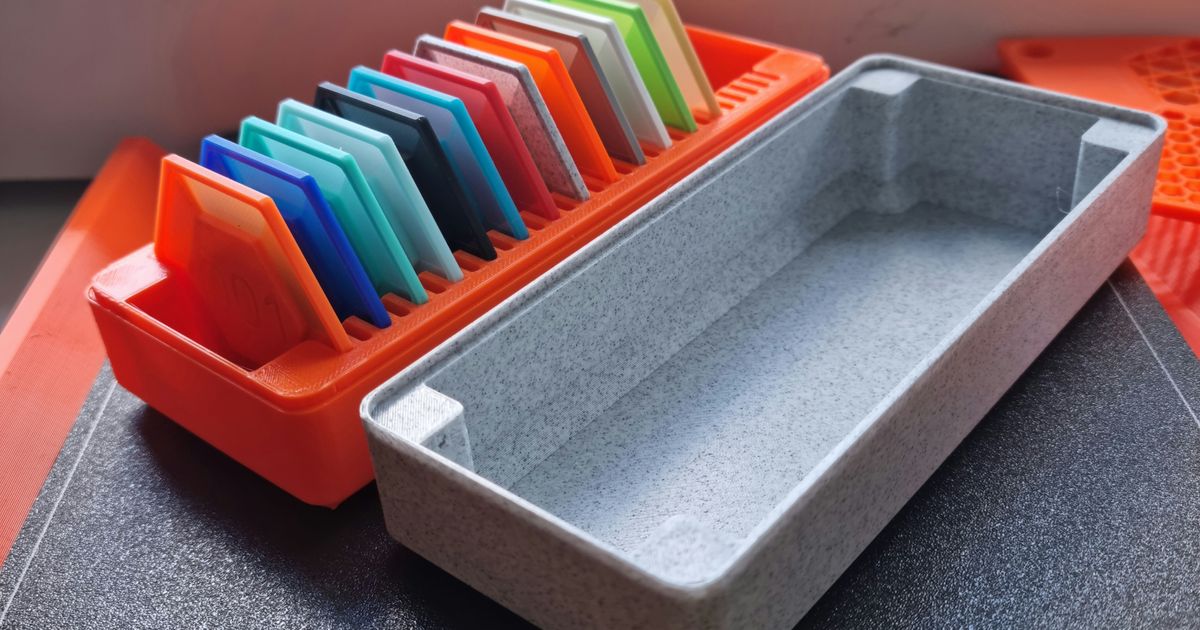
Ever gazed at a dazzling digital design, perfectly rendered with a specific shade of teal or a striking neon orange, and then felt a pang of disappointment when your 3D printed version just… wasn’t quite it? We’ve all been there! The world of 3D printing is bursting with innovation, allowing us to bring our wildest ideas to life, but there's one area that often feels like a guessing game: color accuracy. That’s where the brilliant idea of using 3D printer filament by hex code comes into play, promising a future where color matching is no longer a roll of the dice.
So, what exactly are hex codes, and why should you be excited about them in the context of filament? A hex code (short for hexadecimal color code) is essentially a universal digital language for color. It's a six-character alphanumeric string, like #FF0000 for pure red or #00FF00 for pure green, that precisely defines a specific shade out of millions. Think of it as the DNA sequence for a color! In our increasingly digital world, these codes are already standard for web design, graphic art, and even home paint matching. Bringing them to 3D printer filament is not just useful; it's a natural, exciting evolution.
The purpose is simple yet revolutionary: eliminate color guesswork. Currently, when you buy filament, you often rely on vague descriptions like "sky blue," "forest green," or "sunshine yellow." While helpful, these terms are subjective and can vary wildly between brands, or even different batches from the same manufacturer. Imagine trying to print a multi-part project where consistency is key, only to find your "ocean blue" parts don't quite match. Frustrating, right? With hex codes, this problem could become a thing of the past.
Must Read
The benefits are incredibly compelling. Firstly, there's unparalleled accuracy. Designers could specify the exact hex code for their creations, and manufacturers could provide filament with that precise color. This means what you see on your screen is truly what you get off the print bed. Secondly, it offers incredible consistency. No more guessing if "azure blue" from brand A will match "cerulean" from brand B. If both filaments carry the hex code #007FFF, you know they're the same color. This is invaluable for designers creating detailed prototypes, artists crafting multi-hued sculptures, or even just hobbyists needing to replace a specific part of a beloved print.
Furthermore, using hex codes would dramatically streamline the ordering process, reduce material waste from misordered colors, and open up new avenues for creative expression. Imagine searching for filament not by a vague name, but by the exact color code you need. This innovation promises to make 3D printing even more precise, reliable, and ultimately, a more joyful experience for everyone involved. Get ready for a world where your prints are as vibrant and accurate as your digital dreams!