
3d Printer Filament Abs Vs Pla

Hey there, fellow curious minds! Ever dabble in the wonderful world of 3D printing, or maybe you're just eyeing one of those cool machines that magically turn digital designs into real-life objects? If so, you've probably heard whispers about something called "filament." And no, it's not a secret ingredient for superhero potions, though it kinda feels like it sometimes!
Filament is simply the material your 3D printer uses, like ink for your regular printer, but way cooler because it builds things layer by layer. And just like you wouldn't use house paint to draw a delicate watercolor, choosing the right filament is key to making your 3D printing adventures a smashing success (or avoiding a melty, sad mess).
Today, we're diving into the two heavy hitters, the Beyoncés and Jay-Zs of the filament world: ABS and PLA. Don't worry, we're keeping it super chill and easy to understand. Think of it like picking the right snack for the right occasion!
Must Read
Meet PLA: The Friendly Newbie
Let's start with PLA (Polylactic Acid). Imagine this filament as the super friendly, easy-going neighbor who always brings cookies to the block party. It's the go-to for beginners, and for good reason!
Why is PLA so lovable?
-
Easy Peasy Printing: PLA is like the golden retriever of filaments – eager to please and relatively forgiving. It prints at lower temperatures and generally doesn't throw a fit by warping or shrinking. This means fewer head-scratching moments and more "Aha!" moments for you.
-
Smells Like Sweetness: When printing with PLA, you might notice a faint, slightly sweet smell. It's generally considered pleasant and isn't overwhelming. No need for a hazmat suit here!
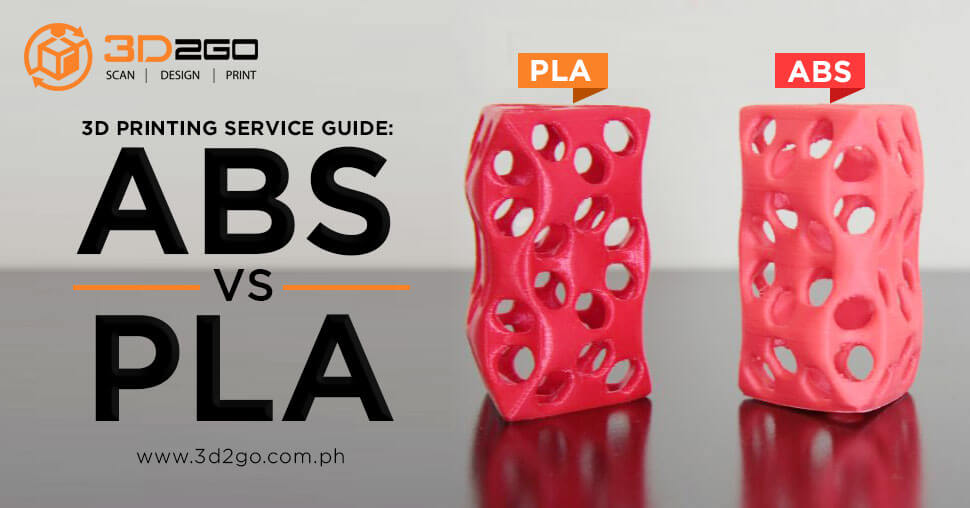
3D Printing Service Guide: ABS vs. PLA Filaments - 3D2GO Philippines -
Plant-Based Pal: Here's a fun fact that makes you feel a little bit like Captain Planet: PLA is often derived from renewable resources like corn starch or sugarcane. So, it's got a bit of an eco-friendly vibe, which is always a bonus!
Where does PLA shine? Think fun, decorative, or low-stress items. It's perfect for printing cute little desk organizers, toy figurines for the kids, prototypes that don't need to survive a drop from space, or even those adorable cookie cutters you saw on Pinterest. If your print is going to sit on a shelf and look pretty, PLA is your buddy.
But wait, there's a tiny catch... PLA isn't a fan of heat. Leave a PLA-printed phone holder in a hot car on a sunny day, and you might come back to a sad, droopy, melted masterpiece. It's also a bit more brittle than other options, so if you're making something that needs to be super strong or take a beating, you might want to call in the cavalry.
Enter ABS: The Tough Guy with a Warm Heart
Now, let's talk about ABS (Acrylonitrile Butadiene Styrene). If PLA is the friendly neighbor, ABS is that super strong, reliable friend who helps you move heavy furniture and never complains. It's the stuff many LEGO bricks are made from, which should give you a clue about its superpower: durability!

Why is ABS the strong silent type?
-
Built to Last: ABS is much stronger and more flexible than PLA. It can handle impacts and resist higher temperatures without wilting. Need a replacement part for something around the house? ABS is probably the filament you want to reach for.
-
Heat-Loving Hunk: Unlike PLA, ABS loves the heat. This means prints made with ABS won't deform in a hot car or near a warm window. Perfect for functional parts that might see a bit of sun or friction.
-
Post-Processing Pro: You can smooth out ABS prints with acetone vapor, giving them a glossy, professional finish. It’s like giving your print a spa day!
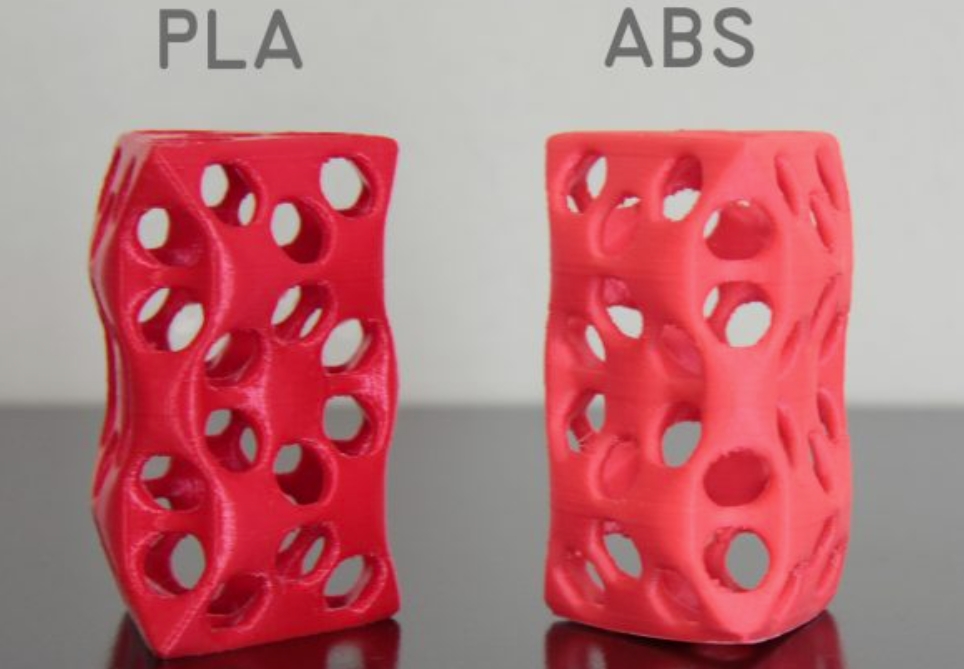
3D Printer Filament PLA vs ABS: Which is better? | 3DSPRO
Where does ABS show off its muscles? This is your go-to for functional parts, phone cases that can take a tumble, tool handles, automotive parts (the non-critical kind, of course!), or anything that needs to be tough, withstand a bit of stress, or endure some warmth. If you need it to be sturdy and not warp under pressure, ABS is your hero.
The challenging side of ABS... It's a bit more temperamental to print. It needs a heated print bed to prevent warping (often called "elephant's foot" or "lifting corners" – sounds cute, but it's annoying!). It also produces a stronger, more noticeable plastic smell when printing, so good ventilation is a must. Think of it as a chef who needs a specific kitchen setup to cook their best dish.
Why Should YOU Care? (The Fun Part!)
Okay, so why does all this matter to you, the everyday reader or budding 3D printing enthusiast? Because knowing the difference between ABS and PLA is like knowing whether to use a hammer or a screwdriver. Using the wrong tool won't just make your life harder; it might ruin your project!
Imagine you're printing a super cool custom phone holder for your car dashboard. You want it to look awesome, right? But more importantly, you want it to survive a hot summer day without melting into a sad, gooey puddle that looks like a forgotten smoothie. In this case, opting for ABS would be a smart move, because it can handle the heat!

Or let's say you're just starting out and want to print a fun little toy robot or a funky vase for your desk. You don't want to wrestle with complicated settings or be overwhelmed by strong plastic smells. That's when PLA becomes your best friend, offering an easy, pleasant, and successful first printing experience.
It's all about matching the material to your project's needs. Do you need something pretty and easy? Go PLA. Do you need something tough, heat-resistant, and don't mind a little extra effort? ABS is calling your name.
The Takeaway
Ultimately, neither ABS nor PLA is "better" than the other; they're just different tools for different jobs. Understanding their strengths and weaknesses empowers you to make smarter choices for your 3D printing projects, leading to less frustration and more triumphant "Nailed it!" moments.
So, next time you're dreaming up something amazing to 3D print, take a moment to consider if your creation needs the friendly simplicity of PLA or the rugged resilience of ABS. Happy printing, and may all your creations be exactly what you hoped for (and not a melted mess)!