
3d Printed Objects That Help Food Insecurity
Okay, let's talk about something seriously cool that's also seriously important: using 3D printing to fight food insecurity. I know, I know, it sounds like something out of a sci-fi movie, but trust me, it's happening right now, and it’s way more accessible and practical than you might think. We’re not just talking futuristic gadgets here; we’re talking about real-world solutions that can make a difference.
So, why is this so interesting? Well, for starters, 3D printing is incredibly versatile. It allows us to create customized solutions, and that’s a game-changer when tackling something as complex as food insecurity. Think about it: different communities have different needs, different climates, and different resources. 3D printing allows us to create tools and systems tailored to each specific situation.
For Beginners: Imagine you’re new to 3D printing. Even simple projects can have a huge impact. For example, you can print seed trays designed for vertical farming, maximizing space in urban environments. These can be customized with different drainage systems and watering channels. You could also print simple tools like garden markers with easy-to-read labels, which are helpful for community gardens and educational programs. The benefit here is low cost, readily available designs, and the satisfaction of contributing to a tangible solution.
Must Read
For Families: Get your kids involved! Printing small, durable tools for harvesting, like berry pickers or specialized trowels for digging, is a great way to teach them about gardening and technology. You can also print insect traps designed to be non-toxic and safe for children and pets. The act of creating something useful together fosters a sense of responsibility and connection to the food they eat.

For Hobbyists and Makers: This is where things get really interesting. You can design and print complex hydroponic systems, allowing for efficient and sustainable food production even in challenging environments. Imagine creating a modular system that can be expanded as needed, perfectly fitting a specific balcony or rooftop. You could also design custom molds for seed balls, making it easier to distribute seeds in areas needing reforestation or food support. The possibilities are truly endless, and you can contribute to open-source projects by sharing your designs online.
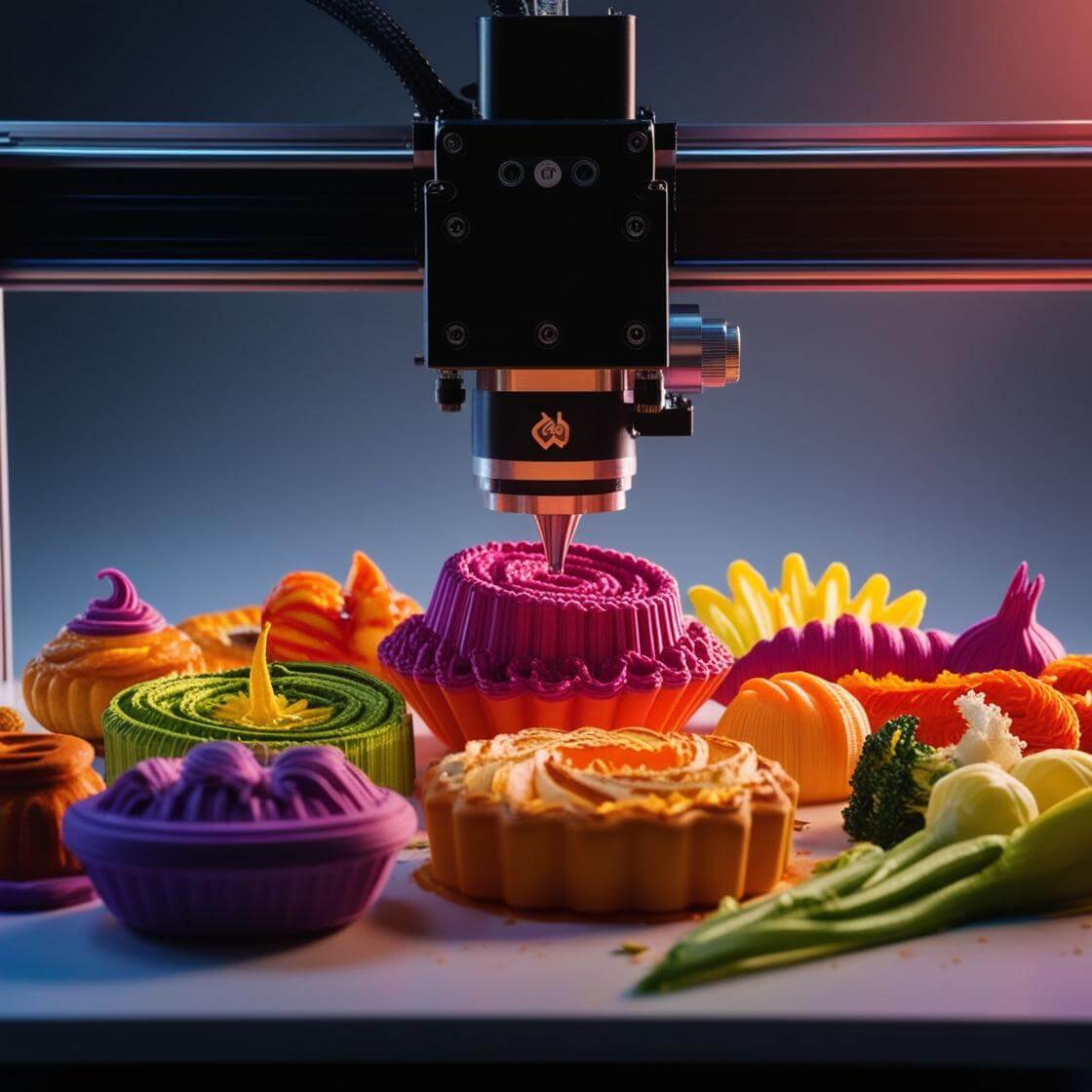
Examples & Variations: Think beyond basic tools. 3D printing can be used to create specialized tools for people with disabilities, making gardening accessible to everyone. You can print replacement parts for broken farming equipment, extending its lifespan and reducing waste. Some organizations are even exploring the possibility of 3D printing food – while that's still in its early stages, the potential for creating nutrient-rich meals tailored to specific dietary needs is incredibly exciting.
Getting Started: Don't feel overwhelmed! You don't need to be an expert. First, research available designs online. Websites like Thingiverse and MyMiniFactory have tons of free, downloadable files. Start with a simple project, like a plant pot or a small garden tool. Use a reliable 3D printer (many affordable options are available), and experiment with different materials like PLA, which is biodegradable. Most importantly, connect with your local community and see how your skills can contribute to existing food security initiatives.
Ultimately, using 3D printing to address food insecurity is about empowerment. It's about giving communities the tools they need to create sustainable solutions and take control of their food supply. It's a fun, engaging, and incredibly rewarding way to use technology for good. So, grab your filament, fire up your printer, and let's start making a difference, one 3D-printed object at a time!

