
3d Model Of A Plant Cell With Labels

Hey there, fellow knowledge explorers! Ever wonder what's going on inside the building blocks of plants? I mean, we see these leafy wonders every day, but have you ever really seen inside them? Well, buckle up, because we're about to take a peek using something super cool: a 3D model of a plant cell!
Think of it like this: imagine you're about to explore a new city, but instead of just wandering around, you have a detailed, interactive map that lets you zoom in on every little street and building. That's what a 3D model of a plant cell is like! It lets us visualize the microscopic world in a way that textbooks just can't.
Why a 3D Model? Why Bother?
Okay, okay, I hear you. Why not just stick to diagrams? Well, diagrams are great for showing the basics, but they're often flat and two-dimensional. Cells aren’t flat! They're complex, three-dimensional structures with all sorts of organelles crammed inside. A 3D model lets us see the spatial relationships between these organelles – how they fit together and interact. Makes sense, right?
Must Read
Imagine trying to understand how a car engine works from a flat drawing. You’d get some of the idea, sure, but you wouldn't really grasp how all the parts connect and move in three dimensions. A 3D model of an engine would be way more insightful, wouldn't it?
Let's Take a Tour (With Labels!)
Now, the really awesome part about these 3D models is that they usually come with labels. And trust me, you're gonna want those labels! It’s like having a tour guide pointing out all the cool landmarks in our cellular city.

First stop: the cell wall. Think of it as the plant cell's sturdy outer shell, like the city walls of a medieval fortress. It provides support and protection. It's made of cellulose, which is basically a really strong type of fiber. Pretty tough, huh?
Next up: the cell membrane. This is the inner security gate, controlling what goes in and out of the cell. It's a flexible barrier that helps maintain the cell's internal environment. It’s much more selective than the cell wall!
Then we have the nucleus, the control center of the cell, like the city hall. It contains the plant’s DNA, which is the instruction manual for everything the cell does. All the important decisions get made here!
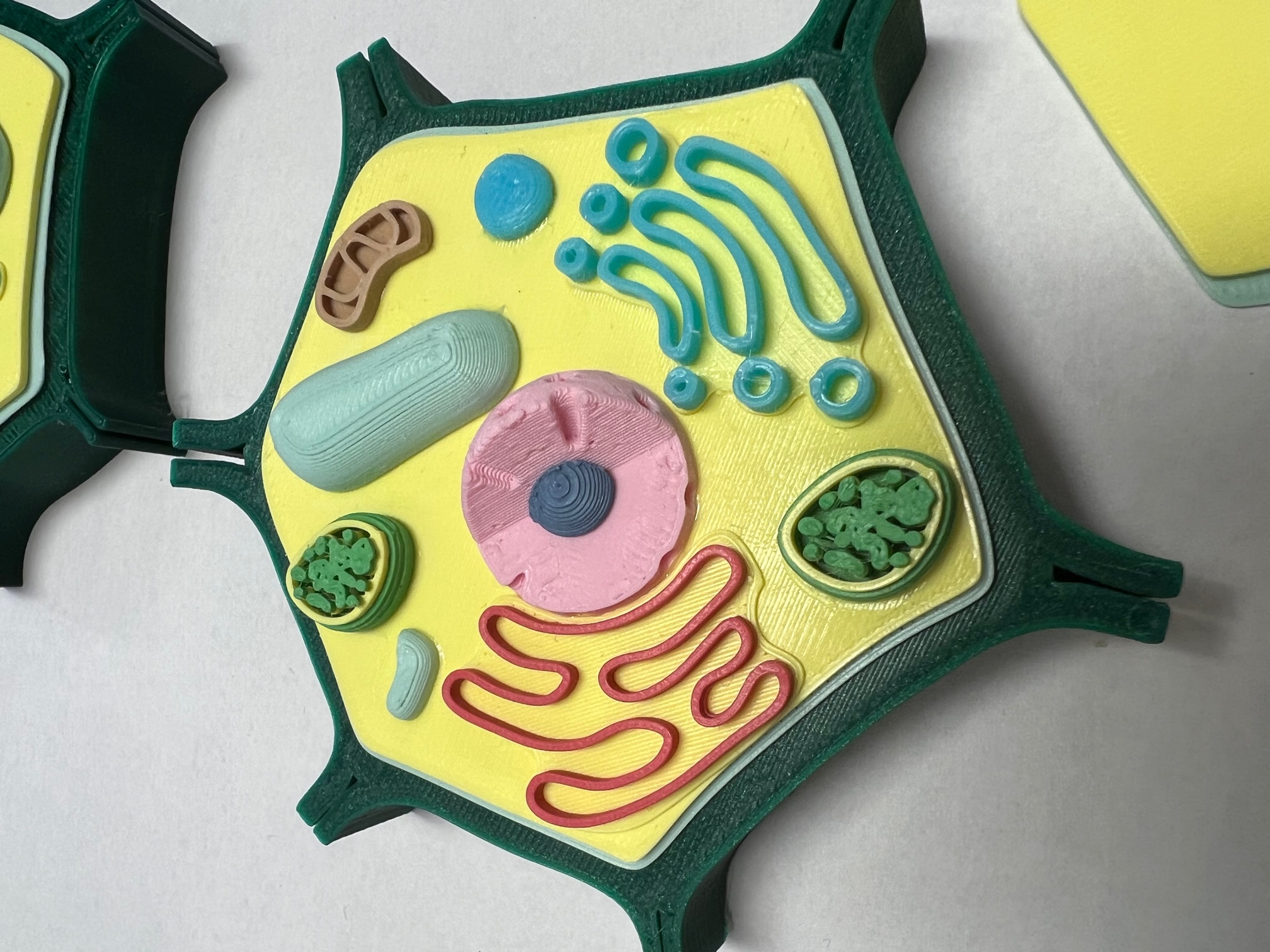
And who can forget the chloroplasts? These are the little green powerhouses where photosynthesis happens! They're like the city's solar power plants, converting sunlight into energy (in the form of sugars) that the plant can use. Pretty essential, wouldn't you agree?
The vacuole is another big player. It’s like a giant storage tank, holding water, nutrients, and waste products. In some plant cells, it can take up a huge chunk of the cell's volume! Think of it as the city’s water reservoir and recycling center, all rolled into one.
We also have the mitochondria. These are the cell's "power plants," generating energy for the cell to use through cellular respiration. They break down sugars to release energy. A busy little organelle!
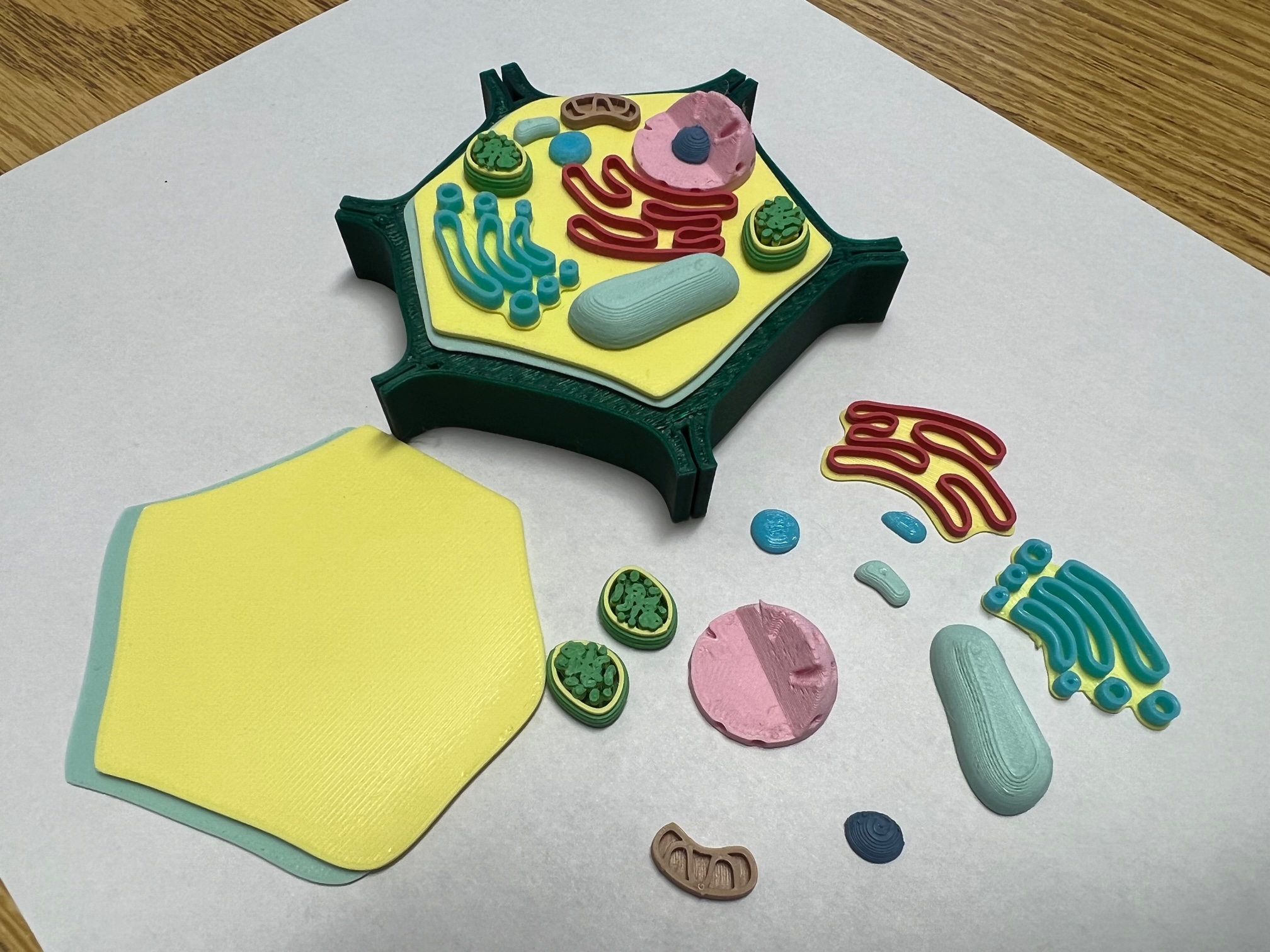
And let's not forget the endoplasmic reticulum (ER) and the Golgi apparatus. The ER is like a network of roads and highways, transporting materials around the cell. The Golgi apparatus is the packaging and shipping center, modifying and sorting proteins before sending them to their final destinations. Teamwork makes the dream work, right?
Why Is This Stuff Important?
Okay, so we've explored our 3D cell city. But why does any of this matter? Well, understanding how plant cells work is crucial for all sorts of things! For example, it can help us develop better crops, understand plant diseases, and even find new sources of energy and medicine. Who knew such tiny things could be so impactful?
Think about it: if we can understand how plants use sunlight to create energy through photosynthesis, maybe we can mimic that process to create clean energy for ourselves. Or, if we understand how plants defend themselves against diseases, maybe we can develop new ways to protect our crops without using harmful pesticides. The possibilities are endless!
Cool Factor: Level Expert
So, the next time you see a plant, remember that it's not just a pretty face. It's made up of billions of tiny, incredibly complex cells, each with its own unique structure and function. And thanks to 3D models, we can now explore these cells in a way that was never before possible. How cool is that?
Exploring a 3D model of a plant cell is like taking a virtual field trip to the heart of the plant kingdom. It's a chance to see the world from a completely new perspective and to appreciate the incredible complexity and beauty of life at the microscopic level. So go ahead, dive in and explore! You might just be surprised at what you discover!
It's amazing what you can learn when you zoom in!