3d Mark Tells Me To Disable G-sync
Ever run a graphics benchmark like 3DMark and gotten a slightly alarming message suggesting you disable something called G-Sync? Don't panic! It's more common than you think, and understanding why it pops up can actually give you some cool insights into how your gaming PC really works. Plus, troubleshooting PC problems is a valuable skill in our increasingly digital world.
So, what's G-Sync anyway? In a nutshell, it's a technology developed by NVIDIA designed to synchronize the refresh rate of your monitor with the frame rate output of your graphics card. Think of it like a perfectly choreographed dance between your GPU and your screen. Without it, you might see visual tearing – horizontal lines across your display – especially during fast-paced action scenes. G-Sync eliminates this by ensuring your monitor only draws a frame when the graphics card is ready to send it. The benefit? A smoother, more responsive, and visually pleasing gaming experience.
The core purpose of G-Sync is to eliminate screen tearing and reduce input lag, leading to a more fluid and enjoyable gaming or video editing experience. It's especially useful for games that have fluctuating frame rates, as it dynamically adjusts the monitor's refresh rate to match, preventing those annoying visual artifacts.
Must Read
Now, why would 3DMark tell you to disable it? Benchmarking software like 3DMark aims to provide a consistent and repeatable performance test. G-Sync, while beneficial in gaming, can introduce variability into the results. Because it dynamically adjusts the refresh rate, it can subtly alter the load on your GPU. By disabling G-Sync, 3DMark ensures a level playing field, allowing it to measure the raw performance of your graphics card without external factors influencing the score. Think of it as putting your car on a dyno – you want to see its engine power, not how well the adaptive cruise control works!
G-Sync, or similar adaptive sync technologies, aren't just for gaming. They are used in professional video editing to ensure that on-screen previews are accurate and tear-free, which is crucial for color grading and visual effects work. They can even be subtly beneficial in everyday tasks like scrolling through web pages, making the experience feel smoother and more responsive. While you might not consciously notice it, the absence of tearing reduces eye strain over long periods.
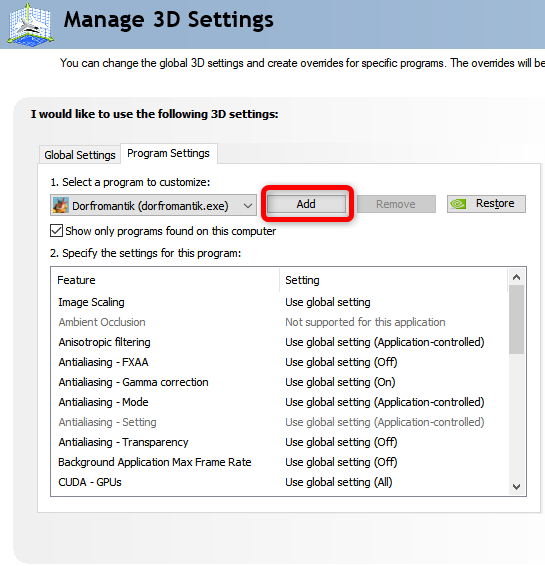
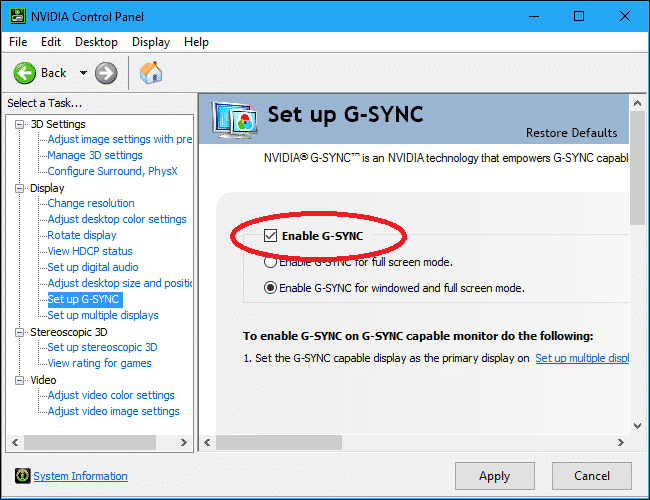
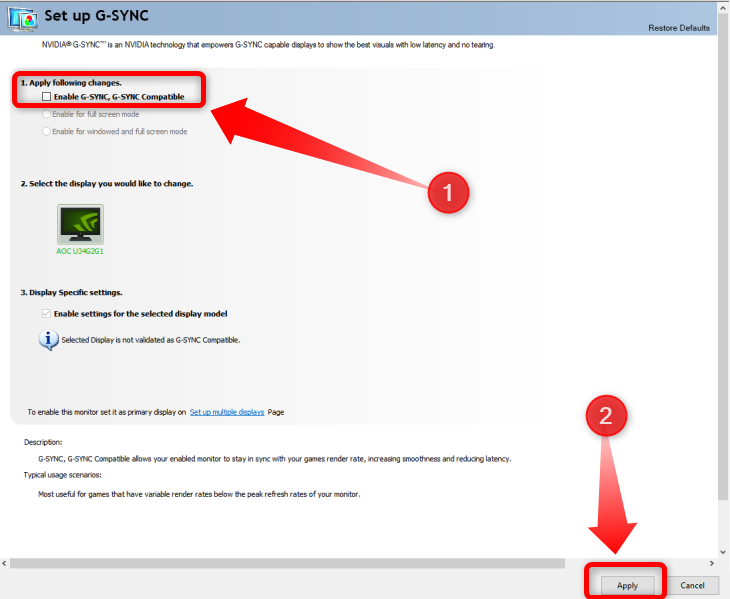
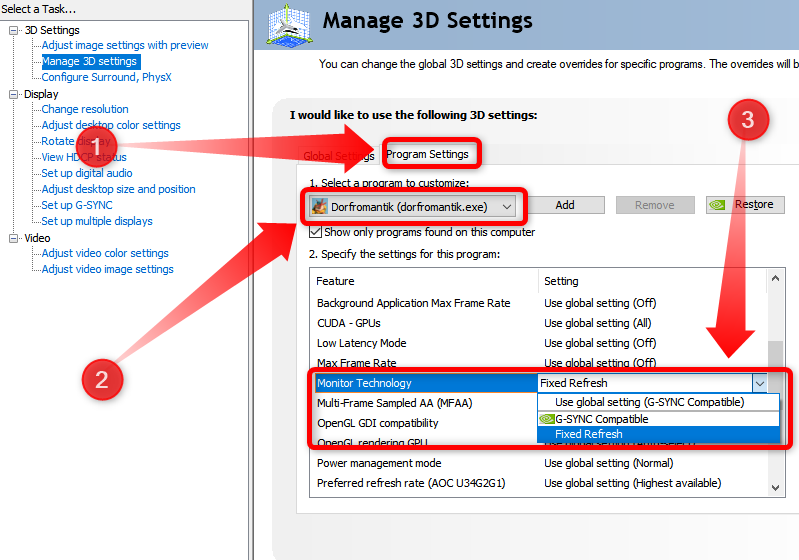
Want to explore this further? First, check your monitor's specifications to see if it supports G-Sync or AMD FreeSync (a similar technology). Then, delve into your NVIDIA Control Panel (or AMD Radeon Settings) to confirm that G-Sync is enabled for your display. You can experiment by playing a graphically demanding game with G-Sync on and off to see if you can perceive the difference. Look for instances of screen tearing, particularly when quickly turning the camera or in scenes with lots of fast motion. You might find that you strongly prefer the smoother experience with G-Sync enabled.
A simple, practical tip: before running any benchmark, quickly disable G-Sync in your NVIDIA Control Panel. After the benchmark is complete, re-enable it. It's a small step that ensures accurate benchmarking results and allows you to get back to enjoying a tear-free gaming experience. Remember, understanding these technologies empowers you to optimize your PC for both performance testing and real-world enjoyment.